
by Christina Faucett
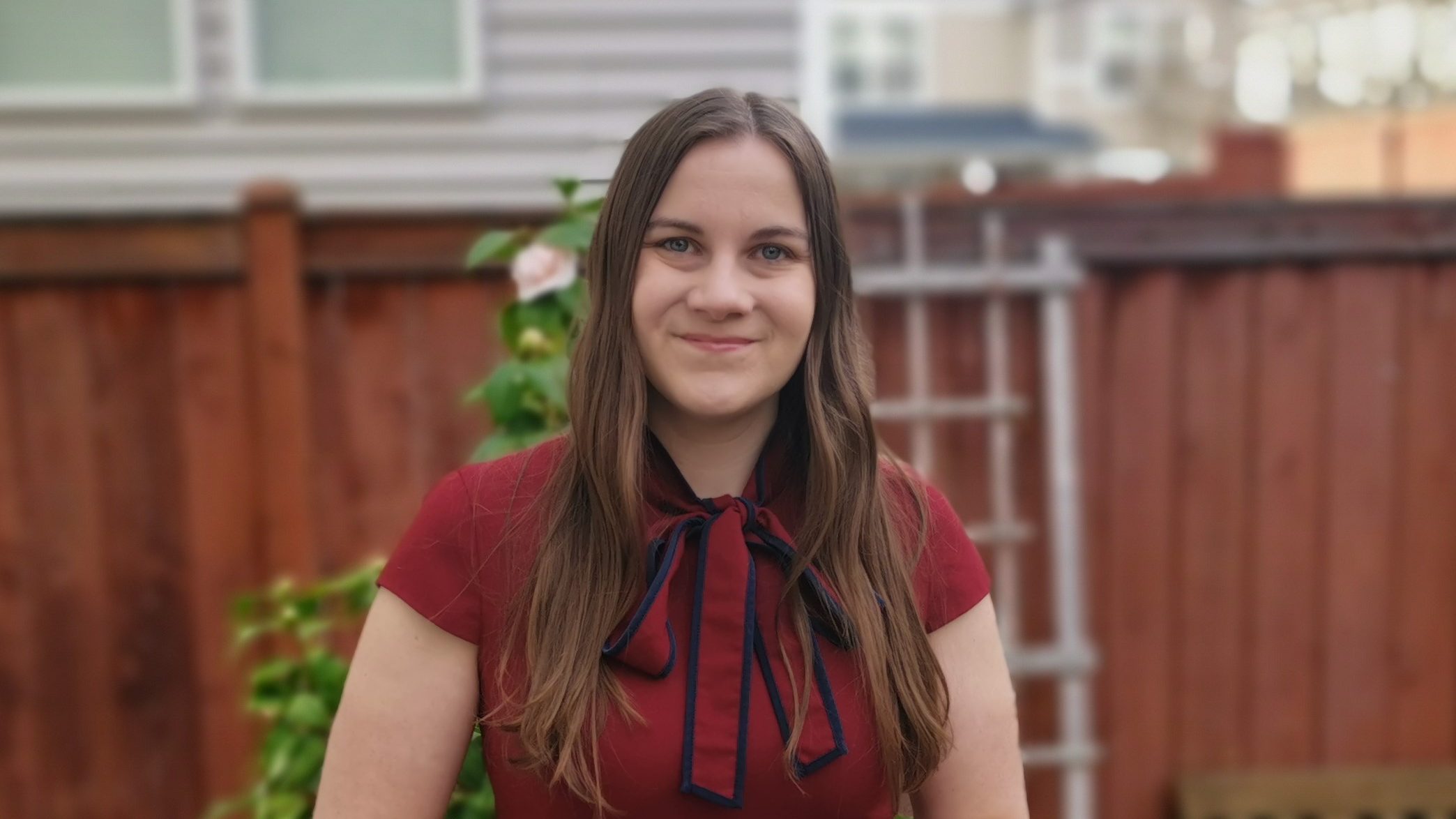
I am honored to publish this essay from Christina Faucett. Christina has been a licensed foster parent in the state of Washington for six years and has adopted one child from the foster care system. Prior to becoming a foster parent, she was a CASA for three years. She is currently a member of the DCYF Parental Advisory Group and is passionate about fixing what is broken in our child welfare system to keep Washington kids safe. She lives in the Seattle area with her husband and daughter. You can follow her on X at @DCYFWAtch.
In 2023, the Washington State Department of Children, Youth, and Families (DCYF) completely rewrote their Caregiver Report to Court form. This form is the only voice foster parents have in the dependency process, since they are not parties to the case, and thus are not entitled to receive legal counsel, file motions, read pleadings, or speak in court unless called on by the judge. Given this, one might expect that changes to the caregiver report form would by preceded by extensive communication and feedback from caregivers as part of the editing process. This did not happen.
I first became aware of these changes in the fall of 2023 when I was provided the new form to submit in my foster child’s dependency case. I then reached out to connections I had in DCYF to ask how these changes had come about, and who had participated in the process of editing the form. After being stonewalled by DCYF employees, I submitted a Freedom of Information Act (FOIA) request, the results of which I finally received a couple of weeks ago.
My FOIA response revealed that the committee convened by DCYF to make the changes to the caregiver report to court included only one caregiver. However, it included three representatives of birth parents, including one former birth parent who had a child in foster care, a parent attorney and a social worker from the Office of Public Defense (which represents and provides assistance and advocacy for birth parents in dependency cases), along with other court and DCYF employees, and one CASA representative. At no point were caregivers informed of this committee’s existence, invited to participate on the committee, or asked to give feedback on the committee’s proposed changes.
The only foster parent representative on the committee works with Amara’s Family Connections Program, which encourages foster parents to maintain relationships with biological parents. Although this foster parent is a representative for what is called the “1624 Consultation Team” (named for the bill that created the group), which is a group of elected foster parent representatives who are supposed to raise the questions and concerns of foster parents in meetings with DCYF, no other 1624 representatives appear to have been informed of the pending changes. The Foster Parent Association of Washington also does not appear to have been informed of the pending changes. An August 2, 2023 post to their website states, “This seems to have been a sudden change and not everyone in the system is aware of it.”
Adding to the confusion, DCYF released two different Caregiver Report to Court forms, a long form and a short form. However, the forms have some completely different questions. For example, “Are you maintaining open and viable communication with the child’s biological parent?” is only included in the short form, not the long form. Even after an entire year of work on this by the committee, the reports still have numerous typos and errors. The new report was released with instructions that caregivers could submit it to the child’s CASA, not just their social worker, even though the CASA program in some counties did not want this responsibility and refused to submit the forms to the court on behalf of caregivers.
While not all of the changes to the caregiver report form are bad, a quick look makes it clear that DCYF is trying to limit input from foster parents to information that supports reunification, while simultaneously diminishing their opportunity to highlight their own relationship with the child (whom they may have raised for years, possibly from birth).
Some examples of changes:
- A question soliciting caregivers’ thoughts on the Department’s case plan has been replaced with a question asking “Do you have any additional information that may help reunite the child or youth successfully with their biological family?”
- A general question about how the child’s visits with parents are going has been replaced with, “What’s working well with family time? Explain.”
- Other changes imply that caregivers have obligations they do not have. For example: “How have you included the parents of the child in the medical and dental appointments?” It is the social worker’s responsibility, not the caregiver’s, to inform parents of medical/dental appointments. The communication question mentioned above likewise implies that caregivers have an obligation to communicate directly with biological parents. Caregivers may have many legitimate reasons (including privacy and safety reasons) not to communicate directly with birth parents.
- The old form had two questions about the child’s relationship with the caregiver and adjustment to living in the caregiver’s home. On the new long form these questions have been replaced with one question which is relegated to the bottom of the form under “additional information.” The short form doesn’t even ask caregivers about their relationship with the child living in their home; it only asks about the child’s behavior in the home. A question asking caregivers to “Describe child or youth’s interactions with positive adults (i.e., coaches, teachers, church, mentors, other relatives)” is given higher billing on the long form than the questions about their relationship with their primary caregiver.
DCYF has lost around 800 licensed foster homes since 2019, and since their six-month pause on issuing all new foster parent licenses from November 2022, to April 2023, the number of unfilled emergent placement needs has skyrocketed. If DCYF wants to achieve their goal of eliminating short-term stays for foster children and youth in offices and hotel rooms by December 2024, they need to start treating caregivers with the respect they deserve, not trying to further stifle their voices.


This is yet another example of institutions taking on a role of ideological activist rather than objective weigher of facts and evidence to make a decision in the best interest of the child. The primary concern, outweighing all others, should always be the best interest of the child(ren). Reading this makes me sad.
LikeLike
Child Protective Services here in Southern California also do not give voice to the people who know the child well, or are raising the child, or are related to the child. They prefer to act on their “gut instincts” as to which placement they would prefer, with little to no information from those who have spent hours/days/weeks with children – let alone listen to the children. As a grandmother who has not been able to see or visit her grandson since Nov. 2021 – even though at 4.5 yo he was living with me in my house before CPS took him – my heart breaks every day.
LikeLike
I am so sorry to learn of the current atrocious degradation of care giving foster parents in the Washington State Child Welfare System. The current mind set of the child protection system across the nation seems frantic to ignore the needs of abused and neglected children by birth parents, who are the reason these unfortunate children need foster care. Thank you Christina Faucett for the care you are providing to children whose biological parents are not willing or able to meet their children’s needs.
LikeLike
Foster parents overstep. It seems this form was changed to focus on the child and not the foster parent. The foster parent is supposed to be a support to the child, sometimes that means cultivating a relationship with the biological family. I don’t think your relationship with the child matters when the goal is reunification.
LikeLike
This form is designed to control a narrative, that being reunification only. The problem is when you have children at danger of being placed in a position for abuse or neglect again due to a variety of reasons not limited to drugs, alcohol, and mental health it raises cause for concern when a bias endangers futures of children. Law makers and DCYF are more concerned with the ego and feelings of bio parents and less concerned or willing to protect lives and futures of children. Foster Parents see the before, and after effects of visits, they comfort and soothe children through trauma and may be a voice of reason not a voice of bias that a court needs in order to advocate for controls and future safeties in order to safeguard from poor parenting.
LikeLike