by Sarah Font (Washington University in St. Louis) and Emily Putnam-Hornstein (University of North Carolina at Chapel Hill)
I am honored to publish this post by two of the leading academic researchers in child welfare. They are also the Principal Investigators of the Lives Cut Short project, which documents child abuse and neglect fatalities around the country.
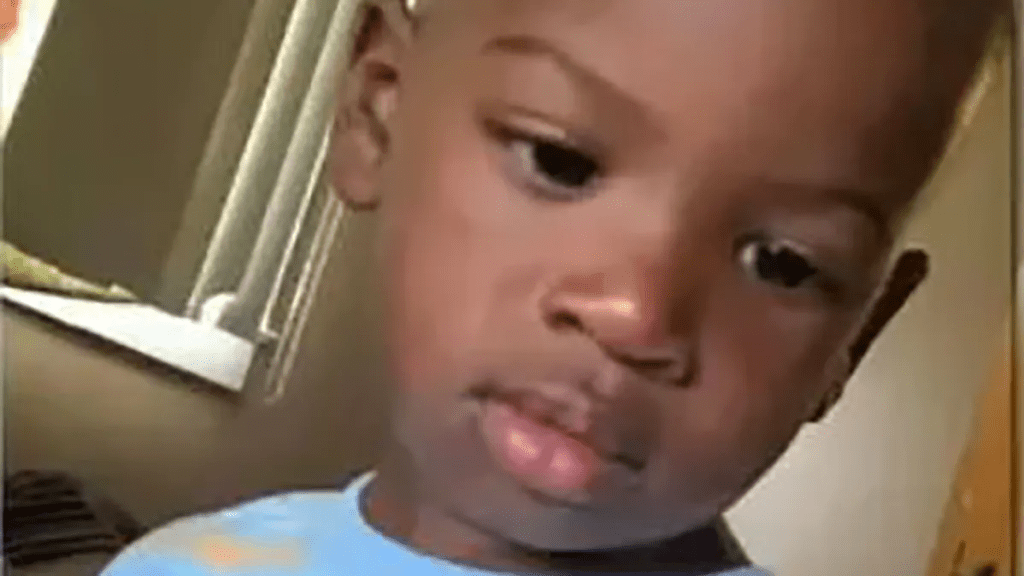
Armani Evans. Zemar King. Leviathan Froust. These are just three of Wayne County’s children who have been killed by their caregivers in recent years. Wayne County is the home of Michigan’s largest city, Detroit.
As part of the Lives Cut Short project, which aims to document child abuse and neglect fatalities nationwide, we requested and reviewed the Wayne County Medical Examiner records for child deaths since 2022. At least 52 children died due to abuse or neglect in the last 3.5 years, accounting for more than 1 in 10 of all child deaths in the county. Nearly two-thirds of child maltreatment deaths involved children ages 3 years and under.
At least nine children under the age of 3 died of illicit drug poisonings – involving fentanyl, heroin, and methamphetamine.
Equally disturbing, more than half of the child maltreatment deaths – 27 – involved intentional injury rather than negligence: children who were shaken, stabbed, beaten, and smothered. Many young children’s deaths received no media attention – all that is known is that they were killed by homicide, with the injury description merely stating “found beaten.”
The 52 children who died of maltreatment in Wayne County are likely the tip of the iceberg – these deaths are challenging to identify due to limitations in the death investigation process, minimal release of information, and other factors.
What would prevent children from dying at the hands of caregivers and family members?
Wayne County recently announced an expanded partnership with RxKids to provide thousands in no-strings-attached cash to all new and expectant mothers in 6 cities within the county. The county’s $7.5 million investment adds to a statewide investment of $250 million in RxKids for 2025-2026 alone. The governor’s FY2026 budget recommendation further includes $27 million to provide “economic and concrete supports” with the goal of reducing or avoiding involvement with Child Protective Services.
The leaders of RxKids imply on their website and other materials that their cash transfers can produce a large decline in child maltreatment and reduce the need for CPS intervention. Fortunately, a rigorous evaluation of the program was conducted in Flint.
The punchline? No impact.
Such findings should come as little surprise when we take seriously the threats that children face. Neither drug addiction nor extreme violence seems likely to be ameliorated with short-term monthly checks. And many children died after CPS ignored clear warning signs. A wrongful death lawsuit filed on behalf of murdered Detroit toddler Chayce Allen reveals that relatives asked CPS to intervene on at least 13 occasions.
The likely reason so many kids are left to die in horrifying circumstances is that Michigan has a severe shortage of child protection caseworkers. Statewide vacancy rates are 20% and the problem is worse in Wayne County, which has 46 fewer caseworkers than intended, leading to high caseloads and turnover. High caseloads were one of the systemic problems that the state was expected to address as part of the Dwayne B. settlement – a case filed nearly two decades ago. Michigan seeks to exit court supervision as soon as this summer, despite their continued failure to adequately staff their system.
Before massive expansions of cash assistance – much of which is going to families who are not impoverished – perhaps the state should fulfill its existing obligations to kids.
Note: some deaths handled by the Wayne County Medical Examiner may stem from incidents occurring in surrounding counties (from which children were brought to and then died at a Wayne County hospital). Our data do not provide the location of the maltreatment incident.
 Child Welfare Monitor