Reposting: Torn apart: A skewed portrait of child welfare in America

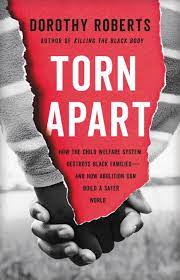
The MacArthur Foundation has announced its new class of Fellows, the recipients of what are commonly called the “Genius Awards.” Among the recipients is Dorothy Roberts, the self-styled popularizer of the term “racial disproportionality” and creator of the term “the family policing system.” According to the Director of the Program, “The 2024 MacArthur Fellows pursue rigorous inquiry with aspiration and purpose. They expose biases built into emerging technologies and social systems….” It’s hard to understand how this term can be applied to an author who wrote that the “family-policing system terrorizes Black families because that’s what it is designed to do ” despite also stating that child welfare systems excluded Black children from their inception until the second half of the twentieth century. The choice of Roberts only exposes the bias and lack of rigor–or alternatively the sheer ignorance– of the MacArthur Foundation. As an illustration, I am reposting my 2022 review of Roberts’ most recent book, Torn Apart: How the Child Welfare System Destroys Black Families–and How Abolition Can Build a Safer World.

In her 2009 book, Shattered Bonds: The Color of Child Welfare, Dorothy Roberts drew attention to the disproportional representation of Black children in foster care and child welfare in general and helped make “racial disproportionality” a buzzword in the child welfare world. In her new book, Torn Apart: How the Child Welfare System Destroys Black Families–And How Abolition Can Build a Safer World, Roberts revisits the issues addressed in Shattered Bonds and creates a new buzzword, renaming child welfare as the “family policing system.” Those who liked Shattered Bonds will likely love Torn Apart. But those who value accuracy in history or in data will find it to be sadly misguided, although it does make some valid points about flaws in the U.S. child welfare system.

Roberts starts with a horrific anecdote about a mother, Vanessa Peoples, who was doing everything right–she was married, going to nursing school, about to rent a townhouse and was even a cancer patient. But Peoples attracted the attention of both the police and child welfare and ended up hogtied and carted off to jail by police, placed on the child abuse registry, and subjected to months of monitoring by CPS after she lost sight of her toddler at a family picnic when a cousin was supposed to be watching him. But citing these extreme anecdotes as typical is very misleading. This particular story has been covered in numerous media outlets since it occurred in 2017 and continues to be cited regularly. One can counter every one of these horrific anecdotes with a story of a Black child who would have been saved if social workers had not believed and deferred to the parents. (See my commentary on the abuse homicides of Rashid Bryant and Julissia Batties, for example).

Roberts’ book restates many of the old myths that have been plaguing child welfare discussions as of late and that seem to have a life of their own, impervious to the facts. Perhaps the most common and pernicious is the myth that poverty is synonymous with neglect. Roberts embraces this misconception, suggesting that most neglect findings reflect parents who are too poor to provide adequate housing, clothing and food to their children. But parents who are found to have neglected their children typically have serious, chronic mental illness or substance use disorders that severely affect their parenting, and have refused or are unable to comply with a treatment plan. Many are chronically neglectful, resulting in children with cognitive and social deficits, attachment disorders, and emotional regulation problems. Commentator Dee Wilson argues based on his decades of experience in child welfare that “a large percentage of neglect cases which receive post-investigation services, or which result in foster placement, involve a combination of economic deprivation and psychological affliction…., which often lead to substance abuse as a method of self-medication.” Perhaps the strongest argument against the myth that poverty and neglect are one and the same is that most poor parents do not neglect their children.  They find a way to provide safe and consistent care, even without the resources they desperately need and deserve.

Roberts endorses another common myth–that children are worse off in foster care than they would be if they remained in their original homes. She argues that foster care is a “toxic state intervention that inflicts immediate and long-lasting damage on children, producing adverse outcomes for their health, education, income, housing, and relationships.” It is certainly true that foster youth tend to have bad outcomes in multiple domains, including education, health, mental health, education, housing and incarceration. But we also know that child abuse and neglect are associated with similar poor outcomes. Unfortunately, the research is not very helpful for resolving the question of whether these outcomes are caused by the original child maltreatment or by placement in foster care. We cannot, of course, ethically perform a controlled study in which we remove some children and leave a similar set of children at home. We must rely on studies that use various methodologies to disentangle these influences, but all of them have flaws. Roberts cites the study published in 2007 by Joseph Doyle, which compared children who were placed in foster care with children in similar situations who were not. Doyle found that children placed in foster care fared worse on every outcome than children who remained at home. [Update added October 2024: A newer study, reflecting current foster care policy and the more typical state of Michigan, found the opposite result.] But focusing on marginal cases* leaves out the children suffering the most severe and obvious maltreatment. In a recent paper, Doyle, along with Anthony Bald and other co-authors, states that both positive and negative effects have been found for different contexts, subgroups, and study designs.

There is one myth that Roberts does not endorse: the myth that disproportional representation of Black children in child welfare is due to racial bias in the child welfare system, rather than different levels of maltreatment in the two populations. After an extensive review of the debate on this issue, Roberts concludes that it focused on the wrong question. In her current opinion, it doesn’t matter if Black children are more likely to be taken into foster care because they are more often maltreated. “It isn’t enough,” she states, “to argue that Black children are in greater need of help. We should be asking why the government addresses their needs in such a violent way, (referring to the child removal). Roberts was clever to abandon the side that believes in bias rather than different need as the source of disparities. The evidence has become quite clear that Black-White disparities in maltreatment are sufficient to explain the disparity of their involvement in child welfare; for example Black children are three times as likely to die from abuse or neglect as White children. As Roberts suggests and as commentators widely agree, these disparities in abuse and neglect can be explained by the disparities in the rates of poverty and other maltreatment risk factors stemming from our country’s history of slavery and racism. Unfortunately, Roberts’ continued focus on these disparities in child welfare involvement will continue to be used by the many professionals who are working inside and outside child welfare systems all over the country to implement various bias reduction strategies, from implicit bias training to “blind removals.”

In Part III, entitled “Design,” Roberts attempts to trace the current child welfare system to the sale of enslaved children and a system of forced “apprenticeship” of formerly enslaved Black children under Jim Crow, whereby white planters seized custody of Black children from their parents as a source of forced labor.** As she puts it, “[t]hroughout its history US family policy has revolved around the racist belief that Black parents are unfit to raise their children. Beginning with chattel slavery and continuing through the Jim Crow, civil rights, and neoliberal eras, the white power structure has wielded this lie as a rationale to control Black communities, exploit Black labor, and quell Black rebellion by assaulting Black families.” In other passages she adds other groups to the list of victims, adding “Indigenous, immigrant and poor people to the list of communities that are being controlled by the “family policing system.” But most of her statements refer to Black victims only.

Roberts’ attempt to connect slavery and Jim Crow practices with child welfare systems highlights a major flaw of the book. She herself explains that due to racism the child welfare system served only White children when it emerged in the nineteenth century with the creation of child protection charities and the passage of state laws allowing maltreated children to be removed from their homes and placed in orphanages. Foster care was established in the middle of the century and also excluded Black children. The system did not begin serving Black children until after World War II, so it is difficult to understand how it could stem from slavery and Jim Crow practices. It seems much more plausible that the child welfare system arose from basically benevolent concerns about children being maltreated, and that with the rise of the civil rights movement, these concerns were eventually extended to Black children as well.

While Black children’s representation as a share of foster care and child welfare caseloads rose rapidly starting in the 1960’s, and Black children are much more likely to be touched by the system than White children, the system still involves more White than Black children. According to the latest figures, there were 175,870 White non-Hispanic children in foster care (or 44 percent of children in foster care) and 92,237 Black (non-Hispanic) children in foster care, or 23 percent of children in foster care. Moreover, the disparity between Black and White participation in child welfare and foster care as a percentage of the population seems to be decreasing.*** So the idea that this whole system exists to oppress the Black community and maintain white supremacy seems farfetched.

Roberts’ attempt to make Black children the focus of the book results in some awkward juxtapositions, like when she admits that though the Senate investigation of abuses by a for-profit foster care agency called MENTOR “highlighted cases involving white children, we should remember that Black children are more likely to experience these horrors in foster care—not only because Black children are thrown in foster care at higher rates, but also because government officials have historically cared less about their well-being.” A page later she states that the “child welfare system’s treatment of children in its custody is appalling but should come as no surprise. It is the predictable consequence of a system aimed at oppressing Black communities, not protecting Black children.” It is hard to understand how White children being maltreated in bad placements supports this narrative.

Fundamental to Roberts’ critique is her system is “not broken.” “Those in power have no interest in fundamentally changing a system that is benefiting them financially and politically, one that continues to serve their interests in disempowering Black communities, reinforcing a white supremacist power structure, and stifling calls for radical social change.” Even if one believes there is a white supremacist power structure, it is hard to see the direct connection between the abuses Roberts is highlighting and the disempowerment of Black communities; it seems more likely that the more abusive the system, the more protests it would generate. And at a time when the federal government and some of the wealthiest foundations and nongovernmental organizations are echoing much of Robert’s rhetoric, her reasoning seems particularly off-target.

Roberts makes some valid criticisms of the child welfare system. Her outrage at the terrible inadequacies of our foster care system is well-deserved. She is right that “The government should be able to show that foster care puts Black children [I’d say “all children”] on a different trajectory away from poverty, homelessness, juvenile detention, and prison and toward a brighter future.” Any society that removes children from their parents needs to be responsible for providing a nurturing environment that is much, much better than what they are removed from. And we are not doing that. As Roberts states, “The state forces children suffering from painful separations from their families into the hands of substitute caretakers…..who often have unstable connections, lack oversight and may be motivated strictly by the monetary rewards reaped from the arrangement.” As a foster care social worker in the District of Columbia, I was driven to despair at my inability to get my superiors to revoke the licenses of such foster parents; the need for “beds” was too great to exclude anyone was not actually guilty of abuse or severe neglect. Roberts is also right to be concerned the outsourcing of foster care to private for-profit organizations that may be more concerned with making money than protecting children, sometimes resulting in scandals like the one involving MENTOR Inc., which was found to hire unqualified foster parents and fail to remove them even after egregious violations like sexual assault.

Roberts also raises valid concerns about children being sent to residential facilities, often out of state, that resemble prisons rather than therapeutic facilities. But she ignores the need for more high-quality congregate care options for those children who have been so damaged by years of maltreatment that they cannot function in a foster home, no matter how nurturing. Instead, she repeats the usual litany of scandals involving deaths, injuries, fights and restraints, without noting the undersupply of truly therapeutic residential settings, resulting in children sleeping in office, cars, and hotels or remaining in hospital wards after they are ready for discharge. Ironically, she supports defunding the system, even if that would mean even worse situations for these children.

Roberts decries the fact that parents sometimes relinquish custody of their children in order to get needed residential care, arguing that “rather than providing mental health care directly to families, child welfare authorities require families to relinquish custody of children so they can be locked in residential treatment centers run by state and business partnerships.” That statement is completely backwards. The child welfare system does not provide mental health services but, like parents, it often struggles to secure them for its clients. Some parents are forced to turn to the child welfare system because their insurance will not pay for residential care for their children. That is not the fault of child welfare systems, which clearly do not want to take custody of these children. The underlying problem is the lack of adequate mental health care (including both outpatient and residential programs), which has destructive consequences for the foster care system. This is exacerbated by the lack of parity for mental health in health insurance programs. It’s hard to believe Robert is unaware of these well-known facts.

Roberts is correct that parents as well as children are shortchanged by inadequacies in our child welfare program, such as the “cookie cutter” service plans which often contain conflicting obligations that are difficult for struggling parents to meet. But she is wrong when she says that parents need only material support, not therapeutic services. But this error flows logically from her concept of neglect as simply a reflection of poverty. In fact, many of these parents need high-quality behavioral health services and drug treatment, which are often not available because of our nation’s mental health crisis, as well as the unwillingness of taxpayers and governments at all levels to adequately fund these services.

In her final chapter, Roberts concludes that, like the prison system, the child welfare system cannot be repaired because it exists to oppress Black people. “The only way to end the destruction caused by the child welfare system is to dismantle it while at the same time building a safer and more caring society that has no need to tear families apart.” In place of family policing, Roberts favors policies that improve children’s well-being, such as “a living wage and income support for parents, high-quality housing, nutrition, education, child care, health care; freedom from state and private violence; and a clean environment.” I agree with Roberts that aid to children must be expanded. The US is benighted when compared to many other Western countries that invest much more heavily in their children through income support, early childhood and K-12 education, healthcare, and housing. But family dysfunction occurs even if a family’s material needs are met. That is why every other developed nation has a child welfare system with the authority to investigate maltreatment allegations and assume custody of children when there are no other options. Moreover, some of the countries with the strongest safety nets for children also have higher percentages of children living in foster care than the United States.****

Torn Apart is a skewed portrait of the child welfare system. In it Roberts restates the common but easily discredited myths that poverty is synonymous with neglect and that foster care makes children worse off than they would have been if left at home. The underlying flaw in her account is the idea that this system exists to repress the Black community, even though it was established solely for the protection of White children. Roberts makes some valid criticisms of child welfare systems and how they shortchange the children and families they are supposed to help. But when she talks of dismantling child protection, she is proposing the abandonment of abused and neglected Black children in homes that are toxic to them, an abandonment that will perpetuate an intergenerational cycle of abuse and neglect. These children are our future; abandoning their well-being to prioritize that of their parents is a bad bargain with history.

*Doyle’s study included only those cases that would have resulted in foster placement by some investigators and not by others, leaving out the cases in which children were in such danger that all investigative social workers would agree that they should be placed.

**In various places, she also attributes it to different combinations of slavery and apprenticeship of Black children with the transfer of Native American children to boarding schools, the exclusion of Black children from charitable aid and the servitude of impoverished White children.

***A recent paper reports that disparities between Black and White children began to decrease in the twenty-first century in nearly every state, closing entirely in several Southern states.

****Unicef’s report, Children in Alternative Care, shows that Denmark has 982 children in “alternative care” per 100,000 and Sweden has 872 per 100,000, compared to 500 per 100,000 for the United States.

A disappointing report from the Senate Finance Committee

A new report by the Senate Finance Committee concludes that children in residential treatment facilities routinely suffer harms like sexual and physical abuse, unsafe and unsanitary conditions, and lack of needed therapy. Further, it concludes that these harms are endemic to residential care itself. While the fact that some residential care facilities are substandard and cause harm to children is undisputed, the SFC’s study is poorly designed and should not be used as the basis of policy. It is based on facilities run by only four companies and cannot be used to make generalizations about residential care as a whole. Both the study design and the findings of the SFC report appear to stem from a preconceived conclusion and not on a desire to describe the actual landscape of residential care for America’s youth who need intensive behavioral health care.

On June 12, 2024, the Senate Finance Committee (SFC) released a report called Warehouses of Neglect: How Taxpayers are Funding Systemic Abuse in Youth Residential Treatment Centers. The report was based on an investigation of what it calls residential treatment facilities (RTF’s) operated by four large companies, “each owning facilities with a history of public abuse and neglect allegations and a substantial facility footprint.” It does not define RTF’s, but the term clearly refers to facilities that provide behavioral health services in a residential context to children with funding from programs under SFC jurisdiction, mainly Medicaid and foster care funds under Title IV-E of the Social Security Act. The four companies include three profit making corporations (United Health Services, Acadia Healthcare, and Vivant Behavioral Healthcare), and one nonprofit, Devereux Advanced Behavioral Health.

The report describes a pattern of poor conditions and abusive practices that the SFC staff observed by reviewing media articles and company documents, supplemented by interviews with senior leaders in the four companies and visits to several facilities not operated by these companies.1 These conditions and practices include sexual and physical abuse by staff; the inappropriate and often abusive use of restraints and seclusion; staff who are unqualified and inadequately trained staff or who routinely fail to discharge their duties, leading sometimes to tragic results; “non-homelike,” unsanitary and unsafe conditions; failure to provide the treatment that children need and that states are paying for; failure to maintain connections between children and their communities and to make adequate discharge plans; use of technology to monitor children that is more appropriate to detention facilities than therapeutic settings; and the absence of adequate oversight by state and federal authorities.

The report raises valid concerns about private businesses being involved in services to the most fragile young people. Several details stand out, all of them involving the company called Vivant and its CEO, John “Jay” Ripley. Ripley is the former CEO of Precision Tune Auto Care and and cofounder of BGR the Burger Joint. Ripley previously founded Sequel Youth and Family Services, which became known for the death of 16-year-old Cornelius Frederick while being restrained at a Michigan facility in 2020 and allegations of abuse and neglect at other Sequel facilities. In 2021, according to the report, Sequel closed half of its facilities and sold the other half, including 13 facilities that it sold to Vivant, Ripley’s new company. VIvant in turn hired many former Sequel executives and staff. In a video made by the University of Baltimore’s Merrick School of Business, Ripley explained that “you can make money in this business if you control staffing.” Ripley does not seem like the kind of person who should be running facilities dedicated to healing the most vulnerable young people.

The SFC report might have been a valuable document had it not tried to apply its findings to residential care in general. “Children suffer routine harm inside RTF’s,” the authors write. “These harms include sexual, physical, and emotional abuse, unsafe and unsanitary conditions, and inadequate provision of behavioral health treatment.” Leaving aside the ambiguity of the word “routine” (does that mean every resident or the majority of residents are harmed in such a way?), such a conclusion cannot be drawn from an investigation of treatment centers operated by four large companies. We have no idea what proportion of young people receiving publicly funded RTF care are in facilities operated by these four companies. Around the country, there are residential treatment facilities operated by many providers, including many freestanding facilities that are not part of large chains. Even within the companies reviewed, the report provides no data to document whether the problems exist only at certain facilities or throughout the chains. A facility’s functioning to a large extent reflects its leadership, and there may be well-run facilities among those operated by these companies.

Going even further, the SFC concludes that “the risk of harm to children in RTF’s is endemic to the operating model. The harms children in RTFs experienced are the direct, causal result of an operating model that incentivizes providers to optimize revenues and operating and profit margin. RTF providers offer minimal therapeutic treatment in deficient physical settings with lean staff composed of non-professionals, which maximizes per diem margins…” The report goes on to say that “[a]t its core, the RTF model typically optimizes profit over the wellbeing and safety of children.” But there is no “RTF operating model.” The understaffing and lack of professionals that are common among publicly funded residential providers more likely stem from the low reimbursement rates that that these programs receive, which in turn means that staff receive low pay as well, forcing the facilities to rely on poorly educated and trained staff.

Even more extremely, the report states that “In the best of circumstances, children at RTFs receive care from under-trained and overburdened staff, are given infrequent therapy, sometimes by non-professionals, and are exposed to unsanitary, unsafe, and non-homelike environments.” It is hard to understand how the SFC is capable of describing the best residential programs when its entire methodology consisted of seeking abuses in an extremely limited universe of residential programs.

In suggesting that residential treatment is a flawed model that should not exist, the SFC report ignores the important role of residential treatment facilities in the continuum of care for young people with mental illness. The Committee’s own invited witness, Elizabeth Manley of the University of Connecticut School of Social Work, testified about the need for these programs.

Residential treatment facilities have an important role in the provision of care for young people with complex behavioral health care needs when they have a clinical or behavioral health treatment need that cannot be met in a family and community setting due to the intensity of their treatment and supervision needs. In those instances, we need the care to be delivered in trauma-responsive environments that embrace parent and caregiver engagement throughout the treatment intervention and continually focus on best practice. These residential treatment facilities can have a significant benefit to the young person and their family.

The Child Welfare League (CWLA), in written testimony submitted to the SFC, added that residential services are “a small but important part of the full array of services” that must be available to meet children’s mental health needs.” CWLA went on to explain that there “are many providers and programs providing or striving to provide trauma-responsive, time-limited, effective residential care. They are informed by the emerging literature highlighting promising practices in residential interventions..” CWLA cited the Building Bridges Initiative, which is a national initiative working to identify and promote best practice and policy in residential interventions for youth. The initiative has produced a guide called Building Effective Short-Term Residential Interventions. According to this report, a new literature has developed in the last ten years or so which documents promising practices in residential intervention which are associated with positive benefits. These include “actively engaging youth and families, ensuring active school and community connection, and keeping residential intervention as short as possible.” The authors explain that “[c]utting-edge effective residential intervention now means providers are creatively working with youth and families in the home, in the community, and as briefly as possible – often for three months or less.” The guide was developed to help organizations make the transition to the new approach, with case histories of 12 programs that are making or have made this transition.

Ignoring this new literature, the SFC claims that “studies show that home and community-based approaches produce better treatment outcomes than placing children in RTFs, and are more cost-effective than RTF placements.” In the footnote to that sentence, the writers list only one study, which concerns only one type of facility, Psychiatric Residential Treatment Facilities, a particular model the provides the equivalent of in-patient psychiatric services outside a hospital setting to young people under 21 through an agreement with a State Medicaid agency. Moreover, that study does not conclude that community-based approaches produce better treatment programs. Instead, it concludes that “evidence is insufficient to assess which interventions are effective.” It is almost impossible to conduct a meaningful study comparing residential treatment to community-based approaches, since the children who are sent to RTF’s are generally much more troubled or impaired than the children who are not, and it would be hard to control for such differences without doing a randomized controlled trial. That’s why there are few if any studies that shed light on this issue.

It is hard to avoid the conclusion that both the study design and the findings of the SFC reflect the Committee’s desire to show that residential care is harmful to young people. The SFC’s anti-residential bias is displayed in numerous passages throughout the report. One particularly inaccurate statement claims that “In some cases….., child welfare agencies place children in state custody without diagnoses in RTFs because they have nowhere else to place them.” As evidence, the report cites a 2013 report that showed 28.8 percent of children in “congregate care” had no clinical diagnoses. But congregate care (a term used to designate any placement that is not a foster home) is a more general term than RTF’s. The earlier report included many other types of facilities including cottage-style homes (often on the site of former orphanages and often providing high-quality family-style care) that are not intended for children with serious behavioral health needs, as well as emergency shelters that some states operate to house children before they are placed in a foster home. Given the relatively high cost of RTF’s, it would be very strange if states placed children in them for lack of another option.

Much more common is the opposite scenario: agencies placing children in foster homes unprepared to care for them, resulting in placement instability, or even letting them sleep in hotels or offices, for lack of residential treatment facilities. Articles about this problem appear frequently, including a recent report from the Midwest Newsroom (a collaboration between NPR and Midwest member stations) on the insufficient capacity of residential care for girls in Missouri and Iowa. The article starts with the story of a young woman who was placed in a residential treatment program called Missouri Girls Town after a traumatic childhood, placement in foster care and a disrupted adoption by a parent who could not handle her rebellious adolescence. This young woman credits Missouri Girls Town with completely changing the trajectory of her life. Sadly, this nonprofit program, which relies on private donations to supplement what it gets from government agencies, was designed to accommodate up to 50 girls but can only take 12 because of “staffing and funding challenges.” Stories like this have been appearing from around the country for years. There is not enough residential treatment for the young people in foster care who need it. Facilities have been shutting down due to failure of state reimbursement rates to keep up with operating costs, as well as the increasing unpopularity of residential care among state officials and legislators.

Despite the major flaws in the SFC’s analysis, there is little to object to in its recommendations. It’s hard to argue against recommendations that Congress act to improve conditions in congregate care facilities, that the companies reviewed raise their standards, and that states invest in community-based services for children with behavioral health needs and improve oversight over RTF’s. The need to invest in community-based services is particularly important because it might enable some children to be helped before their problems become so severe that they need residential care. It might even prevent some placements in foster care that occur when parents can no longer care for behaviorally challenging their children at home. But the findings of the report remain dangerous even if the recommendations are benign; they can be used to support attempts to defund residential care entirely, which would be disastrous for our most vulnerable young people and their families.

The SFC report confounds a group of residential treatment facilities poorly run by four large corporations with the entire field of residential treatment for youth with serious behavioral health care needs. The report presents a distorted picture of a field that already contains excellent, life-changing programs and where passionate and dedicated leaders are already providing or working toward trauma-informed, short-term, and effective residential services for these most vulnerable young people.

  1. Visits to five facilities that were not operated by the four providers being investigated were used to document physical conditions in the facilities, as well as their efforts to provide education to the residents. The finding of “non-homelike,” unsanitary and unsafe conditions was based on the visited facilities rather than on the four companies that were investigated. ↩︎

The child placement crisis: It’s time to lose the slogans and find real solutions

By Judith Schagrin

A note from Child Welfare Monitor: It is a privilege to publish this important essay by Judith Schagrin. Judith earned an undergraduate degree from the University of Pennsylvania and a master’s degree in social work (MSW) from the University of Maryland School of Social Work.  She unexpectedly found her passion in public child welfare, and more specifically, foster care after helping start an independent living preparation program for young people in care. After a decade as a foster care social worker specializing in adolescence in a large Maryland county department of social services, she supervised two different units before becoming the county’s director of foster care and adoptions, serving in this position for twenty years.  She also worked part-time for the Agency’s after-hours crisis response for a decade.  For almost 10 years, she served as a respite foster parent for a private foster care agency, and since 2008, has mentored a young person who aged out of care in California and came east for college.  In  2001, with a little help from her friends, Judith founded Camp Connect, a weeklong sleepaway camp to reunify brothers and sisters living apart in foster care and provide memorable experiences siblings can share for a lifetime.  For the past 23 years – one year virtual – she has spent the week at Camp Connect immersed in the care of Maryland’s foster children and youth.

The closing of children’s mental hospitals in the 1980s, the subsequent closure of detention centers leaving foster care to take up the slack, the movement to shutter all group homes and residential treatment programs and the prohibition of out-of-state placements have created a slow-motion train wreck whose results could have been predicted easily at every new chain in the sequence. Those results include children and youth staying in psychiatric hospitals long after being ready for discharge, “boarding” in emergency rooms and “placed” in hotels at a cost of $30,000 to $60,000 per child per month. From my 35-year vantage point as a caseworker, supervisor, and then running foster care and adoptions in a large Maryland county, I’ve had a front row seat to the evolution of this crisis and the failure to come up with real solutions. 

Deinstitutionalization

The first in a series of events that created this crisis occurred in the 1980s, when the deinstitutionalization that began for adults in the 1960’s with the civil rights movement expanded to include children.  Until then, youth remained in state hospital facilities for as long as a year or even more.  The closure of those state facilities led to the expansion of Medicaid-funded residential treatment centers (RTC’s), that stepped in to provide the longer term care once provided in the state hospitals.  In turn, group homes proliferated to meet the needs of youth discharged from RTC’s.  The advent of Medicaid was instrumental in expanding prIvate psychiatric treatment options, including hospitals.  But over time, Medicaid stopped funding even 30 days of treatment, limiting payment to only  a few days of crisis intervention. 

Today, many youth, especially older youth, are entering foster care not because of what we traditionally think of as maltreatment, but due to parental incapacity or unwillingness to care for them due to acutely problematic behavior, and behavioral health and/or developmental needs.  Services to meet these needs are often missing or inadequate, and parents of children with high-intensity needs cannot find residential treatment except through the child welfare system.  Medicaid doesn’t pay for treatment and care in a group home of any kind; access in Maryland requires the child welfare system’s physical or legal custody.

New approach to juvenile justice

In the early 2000’s, a series of Supreme Court decisions brought welcome changes to juvenile justice and shifted the country from the ‘get tough’ approach of the ‘80’s and 90’s to the ‘kids are different’ era.  Moving from punishment to rehabilitation and minimizing detention in favor of community services makes sense on both humanitarian and neuroscience grounds.  But it meant that youth who once fell under the purview of Juvenile Services now required child welfare intervention when parents or other caregivers were unwilling or unable to continue to provide care. The mother evicted from four apartments because of her son’s property damage; the grandmother who stepped in years ago and is no longer able to cope with her granddaughter after the third vehicular misuse charge and chronic episodes of running away; or a parent with younger children afraid that an older sibling known to have rages and episodes of violence will harm his siblings, are examples of desperate caregivers I have come across.

In Maryland, the first alarm that child welfare was ill-equipped to care for these youth was sounded in 2002 by local department directors in a memo to the head of the Department of Human Services.   Closing detention centers was a good thing, but alternatives weren’t developed for those youth unable to live at home, and no resources were provided to help child welfare accommodate its new clients. As the closure of state psychiatric facilities and detention beds was widely celebrated, the belief that every youth had a family eager and able to provide a home was more than a touch naive, as would soon become clear. 

Group home closures

Another domino fell in the early 2000’s, when group homes, many poorly administered with little oversight, became a scandal in Maryland.  A series of articles in the Baltimore Sun exposed the flaws of many group care programs, and some were forced to close.  With the scandals around bad group homes, the timing was perfect for state leadership, encouraged by a national advocacy group with deep pockets and the laudable dream of a family for every child, to lead a movement to shutter congregate care placements.  Funding constraints, too, forced some providers out of business.  Reimbursement rates did not keep up with costs, and some programs closed their doors due to inadequate reimbursement.   The state lost roughly 450  beds in five or six years, including entire residential treatment center programs.  Rate-setting ‘reform’, which began in October of 2021, will not be completed until July of 2026 if it stays on schedule.

At the same time group homes were being closed in Maryland, state agency leadership began to frown on out-of-state placements for youth with highly specialized needs when no placement in Maryland to meet those needs was available.  Public officials with little understanding of placement resources pronounced these out-of-state placements to be evil incarnate, and an overwhelming number of bureaucratic obstacles made them nearly impossible.  

With the loss of group homes as an option, we were urged to ‘re-imagine’ care for children, yet discouraged from developing individualized plans of care because insufficient flexible funding was allowed to make that happen.  We’re fond of slogans in child welfare, as if words will change outcomes, but too many initiatives are about clever slogans and not about substance.  If only we would review every child in group care, we were told, we would realize how many had other options.  With consultation from the national advocacy group, we spent hours seriously poring over the needs of our children in congregate care and attempting to find matches with kin or foster families.  Not at all surprising to our staff, “low hanging fruit” didn’t exist.   

We also initiated a rigorous “Family Finding” practice, in hopes of finding kin willing to become providers with services and supports.  What we learned is that youth in congregate care had  already exhausted family and “kin of the heart” resources.  Today it’s not clear that public officials and child welfare leaders grasp that children and youth wouldn’t be in hotels if there were any kin – fictive or otherwise – willing and able to provide care, or if parents could and would be a safe resource.

Youth with intensive, complex needs

As other doors closed, the child welfare system became increasingly tasked with providing residential behavioral health care for children and youth with high-intensity and complex needs for supervision and treatment.  The differences between those involved with the juvenile justice system (and may have gone to detention centers in the past) and those who are not are often hard to discern.  Both groups tend to engage in behaviors that pose a serious safety hazard  to themselves or others.  These  behaviors may include physical violence; property damage; compulsive self-harm such as cutting or swallowing objects; chronic truancy; frequent runaway episodes; sexual victimization of siblings; aberrant sexual behaviors such as public masturbation; molesting younger siblings; participating in petty crimes; harming family pets; and generally oppositional and dysregulated behavior.  

Contrary to the popular notion that the public child welfare system is tearing families apart, these are children whose families are typically frustrated, exhausted, and often eager to place their child.  Some even view foster care as a much-needed punishment, imagining that when the youth is ready to “behave,” they can return home.  Of course these young people have many strengths to be nurtured, but they need intensive supervision and therapeutic intervention by professionals trained to evaluate and address their special needs and work with families.

The gist of the matter is that we are serving two different out-of-home placement populations with very different needs.  One is a younger population in foster care primarily due to maltreatment stemming largely from parental substance abuse and/or untreated mental illness. The other is older youth with complicated behaviors, and behavioral health needs and/or developmental disabilities.  The parents and kin of the older group are asking for placement, not objecting to it, and are typically worn out and adamantly opposed to more in-home services.  In spite of the stark differences in these two populations, our policymakers and those upon whom they rely have failed to recognize their needs are not the same.

In Maryland and other states, treatment, or ‘therapeutic,’ foster care stepped in to accommodate this new population of older, harder to serve foster youth. To some extent this approach has been effective as an alternative to congregate care, but it’s not the panacea some would like to believe.  The desperate need for foster families willing to care for these youth means there’s a certain amount of pressure to lower expectations and even turn a blind eye to foster parents that do a less than stellar job.  Tales of locked refrigerators and youth left sitting on the stoop at the end of the school day until the caregiver came home soon proliferated.  However, we were told by representatives of a national advocacy group that, “Youth are better off moving from shabby foster home to shabby foster home than in the very best congregate care.”   In my own experience, instability begets instability and there’s little more soul-sucking than being rejected from family after family.

Setting aside the question of quality, foster care, whether treatment or not, has great challenges recruiting homes for youth with weapons charges, those with a history of drug dealing, or whose parents have refused to pick them up from the police after another runaway episode. “Cutters” and “swallowers” need 24/7 supervision to keep them safe and in general, kin have already tried to provide care long before the child’s entry into state custody.  With the closure of group homes and residential treatment centers in Maryland and the prohibition on out-of-state placements, finding placements willing to accept youth with high-intensity needs became literally impossible.  As a result, for years now children have been left in psychiatric hospitals (sometimes for months) after “ready” for discharge, and others are ‘boarding’ in emergency rooms for weeks or months.  

A failure to recognize reality

Instead of recognizing the lack of capacity to serve those youth with nowhere to go after being hospitalized, hospital representatives, public officials, and legislators blamed caseworkers for not ‘picking children up’, as though they were simply lazy and incompetent.   “Advocates” proposed legislation imposing more caseworker accountability as the solution, as though if caseworkers worked harder and filled out more forms, placements that didn’t exist would magically appear.  Fortunately, none of the legislation passed, but being a lonely voice trying to explain the source of the problem wasn’t lazy caseworkers or enough forms was painful.  Public officials, leaders and advocates also clamored for more “prevention” services, not recognizing the acute needs of older youth developed over many years and that new services authorized today are not going to keep them safely at home.

During my 20 years as the director for my county’s foster care and adoptions program, I can’t count the nail-biting times we came close to not finding a placement for a child – but we were always able to pull something together.  The state made funding available for a 1:1 staff person (or sometimes 2:1) we could offer existing providers, allowing us to use that as a bargaining chip. Of course, increasing reimbursement rates and staff salaries would have been far less expensive than millions for extra staff to support ill-equipped placements, but that change in fiscal allocation has yet to happen. 

Five years have now passed since I retired, and hotel placements have become not a rarity but a regular necessity.  At the rate of $30,000 to $60,000 per child each month (not including damages to hotels) to warehouse children in hotel rooms supervised by an untrained aide – one can only imagine what that kind of money could be doing productively for children.  Caseworkers are overseeing the most precarious and risky “placements,” and being ‘hotel reservation clerks’ isn’t the reason competent social workers choose to do the work.  We’ve all heard the tales of youth stealing their 1:1’s car; or youth locking themselves in their rooms doing what we don’t know; a youth who overdosed on his medication; parties taking place with the acquiescence of the 1:1; youth harassing guests; and the youth who leaped over the reservation desk to try to steal cash.

Over the years there have been many, many meetings among high ranking state officials and others; ironically, these meetings didn’t include the experienced and knowledgeable child welfare staff responsible for the children.  Lots of strategies, goals, and plans too – a personal favorite was the goal of instructing local department staff on hospital discharge planning, as if they weren’t already experts.  Despite all the meetings and all the hand-wringing, progress meeting the needs of the children in our care, or soon to be in our care when parents abandon them at the hospital or elsewhere, has been negligible. Years that could have been spent on developing and promoting new model programs have been wasted. In the meantime, Congress saw fit based on testimony from well-heeled advocacy groups to pass the Family First Prevention Services Act,  which limited congregate care even more by restricting funding to approvable options based on criteria seemingly pulled out of a hat.   

Today, the deepening and pervasive placement crisis is affecting nearly every state and attracting media attention around the country.  Given the financial resources dedicated to keeping children in hotels, finances clearly aren’t the issue.  And it certainly isn’t about quality of care, since hotel rooms, overstays in hospitals, and boarding in emergency rooms rank far below a quality congregate care program as a suitable home for a child.  

What is to be done?

In the short run, Maryland and other states need respite programs for young people awaiting placements in hospitals, emergency rooms, and hotels.  In the long run, we must acknowledge child welfare’s responsibility not only for maltreated children, but also those with high-intensity needs for supervision and treatment once served by other child-serving organizations.  We need to bring the finest minds together to reimagine how residential care is provided, and its role in the continuum of child welfare resources to meet the needs of older youth entering foster care because of needs related to behavioral health and/or developmental disabilities. That process should include some of the scholars who have been studying the use of congregate care in other countries where it is more highly valued as a treatment and a professional field.  Exploring the development of real alternatives to congregate care is also a worthy investment.  Finally,  the unintended consequences of the Family First Prevention Services Act that disincentivized needed placements without a credible replacement must be remedied.

How many more years until we wake up?  And how many children will have to be harmed?  A colleague had a quote in her office that stays with me always, “when we are doing something with somebody else’s child we wouldn’t do with our own, we need to stop and ask ourselves why.”  Who among us would consent to our own children boarding in emergency rooms, on overstay at hospitals, or ‘placed’ in hotel rooms?  If that’s not okay for our own children, it shouldn’t be okay for the children in our state’s custody either.


Diverse opinions not accepted: Censorship by a contractor of the U.S. Children’s Bureau

Instances of censorship and restrictions of free speech from both ends of the political spectrum have drawn increasing concern as the country’s polarization has increased. I have been very grateful that a digest of child welfare news and opinion articles funded by the federal government has for years been sharing my work–which often takes aim at the ideology prevailing in child welfare. But last July, the government contractor that prepares these digests declined to share one of my opinion pieces–while continuing to share other commentaries with a different perspective. My attempt to get an explanation has resulted in a series of bizarre communications that only heighten my fears that a government-funded organization is censoring the views that it shares.

Child Welfare in the News (CWN), a daily email sponsored by the US Children’s Bureau, has contributed significantly to Child Welfare Monitor‘s growth from its creation in 2016. CWN is an “email subscription service that provides a daily collection of news stories and opinion pieces from across the country and around the world.” It is an activity of the Child Welfare Information Gateway (CWIG), which is part of the Children’s Bureau and is managed by a consulting firm called ICF. For several years, I have been sharing links to Child Welfare Monitor commentaries with the ICF librarians who put together CWN and they have in turn provided links to these pieces, along with excerpts, in their daily mailings. At least until last July.

On July 24, 2023, I published The Misuse of Lived Experience in Child Welfare. The gist of the piece was that while all lived experiences are valid and valuable, their use can be problematic when experiences that support a particular perspective are highlighted and those that contradict it are not, or when evidence from data and research are ignored in favor of curated narratives. When I shared the blog post with the CWN staff as usual, I received a message saying “We’ll get back to you in a few days with a response on this article.” This was unexpected. When I checked for an update on July 31, an ICF librarian responded that “we are still working to review this article, and expect to have a response soon.” I emailed again on September 7 and heard that “We’ve not yet received a response or decision on this article.”

I replied asking to whom my commentary had been submitted and why, what the review criteria would be, and when I could expect a response. Receiving no answer, I wrote on September 14 to the Communications Director of the Administration on Children and Families, parent agency of the Children’s Bureau. I also submitted a Freedom of Information Act request asking for any emails that contain my name or that of Child Welfare Monitor.

On September 22, I received a response from Kai Guterman, the “Senior Manager of Knowledge Management” at ICF, which included the following:  “As you know from your past submissions, The Child Welfare Information Gateway is a service of the Children’s Bureau and as such, as part of our standard process our team reviews all requests submitted. Upon our review, this request was not selected for posting as it contains personal fundraising links.” I was totally baffled by this response. I was not aware of any “personal fundraising links” in my piece, but an alert reader informed me after I published this blog that the photo I used of the family of Vanessa Peoples (the mother whose bad experience with CPS was cited by Dorothy Roberts in her book), came from a GoFundMe page set up to help her and her family. Not realizing that at the time I replied, asking Mr. Guterman to describe these links so I could remove them and allow the post to be shared by CWN. Thirteen days later I received the following response:

Thank you for following up and agreeing to exclude the fundraising link. 

We have conducted a review of the Misuse of “Lived Experience” in Child Welfare blog submission request.  While we appreciate your submission, it has been determined that it will not be included in the Child Welfare in the News since this specific blog post has a strong emphasis on storytelling, calls out individuals [sic] names, makes personal opinion statements about individuals, and focuses on editorial and opinion-based content. 

As you consider future submissions, please review how much editorial or opinion-based content is included and ensure the content is not driven by or connected with fundraising purposes.   

Email from Kai Guterman, Senior Manager of Knowledge Management, ICF, October 5, 2023

This message from Mr. Guterman was even more confusing than the previous one. It is certainly true that my blog post names several individuals, including the writer Dorothy Roberts and several people who have shared their lived experience with the child welfare system in writing and/or in oral testimony, and I included links to all of their writings. But not many news or opinion articles shared by CWN fail to name individuals. And my post does not make any “personal opinion statements” about these individuals other than summarizing or quoting their views and saying that other types of experiences also exist. The “strong emphasis on storytelling,” leaves me totally baffled. Indeed, the major point of the essay was to question the use of individual stories to make policy. Is it possible that Mr. Guterman missed the point of my blog or did not read it at all? Moreover, removing articles that tell stories would probably exclude more than half the content that is currently included in CWN–pretty much every news story and many opinion pieces as well.

And finally, Mr. Guterman asserts that my piece “focuses on editorial and opinion-based content.” Yes, most of my blog posts are opinion pieces and are labeled as such in the CWN emails, along with opinion pieces by other authors. Since I published my lived experience blog, the newsletter has shared numerous opinion pieces. At least four of these commentaries were by a writer named Richard Wexler. From beginning to end, Wexler’s essays “focus on editorial and opinion-based content,” as Mr. Guterman put it. Here is one example from Child abuse: the surge that wasn’t, a commentary from August 17, 2023 that was shared by CWN.”The American family policing system, a more accurate term than “child welfare” system, is built on ‘health terrorism’ – misrepresenting the true nature and scope of a problem in the name of ‘raising awareness.'” Some of Wexler’s pieces “have a strong emphasis on storytelling.” For example, in Child Well-Being Doesn’t Require Family Policing, also shared by CWN, Wexler devotes seven paragraphs to the story of one family that he says was victimized by a false accusation of child abuse.

As far as “calling out individuals,” CWN shared a piece by Wexler entitled Attn: New Hampshire “Child Advocate – there are horrendous institutions in your state too.” In that commentary, Wexler “calls out” the New Hampshire Child Advocate by name, telling readers that she was “understandably proud of herself” for getting two New Hampshire teenagers out of an abusive institution. But she “took matters too far” when she said according to a local news station that she and her staffers could finally get a good night’s sleep after removing the two teenagers from the institution. But nobody should be getting a good night’s sleep as long as “children are institutionalized,” according to Wexler. “And [the Child Advocate], of all people, should know it” because last year her predecessor issued a report exposing abuse at a New Hampshire institution. He goes on to label as “disheartening” her proposal to form a commission to address the issue of residential care.

It is noteworthy that Wexler’s pieces tend to endorse the prevailing ideology about child welfare, albeit often in an extreme way, while mine tend to challenge it. But Wexler is not the only author of opinion pieces that tell stories and mention individuals and nevertheless are shared by CWN. In addition to commentaries by Wexler, the newsletter has shared opinion pieces with titles like “The Child Welfare System Is Failing Children, Separating Black and Brown Families,” and “What To Do When Children’s Services Comes to the Door,” which also endorse the prevailing view. But my essay has been rejected, ostensibly for the same characteristics that these pieces display. Could it be that the creators of CWN are discriminating based on viewpoint?

As Mr. Guterman mentioned, ICF produces CWN under contract for the Children’s Bureau, which has wholeheartedly endorsed the prevailing view of child welfare promoted by a group of well-heeled foundations and nonprofits, consulting firms and influential commentators. This narrative portrays a racist child welfare system that disproportionately investigates, intervenes with and separates Black children and families. It disregards the evidence that the need for protection is also much greater among Black children, suggesting that they are more likely underrepresented in relation to their need. The dominant viewpoint asserts that foster care is harmful and rarely necessary and that “prevention services” including financial aid can eliminate the need for most child removals. It holds that children should almost never be placed in non-family placements such as group homes or residential treatment centers. Proponents of this perspective hailed the Family First Act, which has failed to add significant preventive services while catastrophically reducing the availability of placements for the most troubled and traumatized young people, resulting in an explosion in the number of youths staying in offices, hotels and other inappropriate placements.

In my censored commentary, I provided examples of how the child welfare establishment and its preferred authors tend to share only the lived experiences that support their views, while ignoring experiences that support different viewpoints. And I gave examples of foster care alumni who have shared experiences of foster care and group homes that contradict the ones that have been repeatedly highlighted. Instead of choosing only the personal stories that support preferred views, I suggested that it is more useful to survey large samples of foster care youths or alumni. And I reported that such surveys result in much more positive views of foster care and group homes than those of the individuals who have been highlighted.

Over the years, Child Welfare Monitor has consistently expressed views that sharply question those of the child welfare establishment. But the CWN staff has never declined to share a piece because of its content. The website description of CWN states that the inclusion of a link “does not imply endorsement of any view expressed in a story and may not reflect the opinions of Child Welfare Information Gateway, the Children’s Bureau, or either organization’s staff.” So they clearly do not need to vet submissions for viewpoint.

The reason for the sudden change in practice (without notification or a change in the website language) remains a mystery, but one might speculate that it has something to do with a decreased tolerance for diverse views. But ICF or the Children’s Bureau would be violating the spirit and possibly the letter of the First Amendment if it were purposely excluding from a government publication content that does not fit the prevailing view. The Supreme Court has ruled that the government cannot discriminate against speech based on viewpoint, stating that: “When the government targets not subject matter but particular views taken by speakers on a subject, the violation of the First Amendment is all the more blatant. Viewpoint discrimination is thus an egregious form of content discrimination. The government must abstain from regulating speech when the specific motivating ideology or the opinion or perspective of the speaker is the rationale for the restriction.”

The possibility of viewpoint discrimination by the federal government or its contractor is deeply disturbing. But ICF’s dishonesty is also concerning. I was told for weeks that the article was still under review. When I persisted, I was told that my piece was censored because of “personal fundraising links” that I could not identify. When I asked to be shown the links so I could remove them, I was then given an entirely different explanation. And the new explanation was equally absurd, citing issues with my blog that either did not exist or were common to many other pieces shared in CWN. So there must be another reason they have not given me, and discrimination based on viewpoint is the only one that comes to mind.

It is unfortunate that my attempt to tell the truth about child welfare has finally come up against the increased intolerance for diverse views, even in a government-funded clearinghouse. Unless I find an organization that wants to take my case to court, it is unlikely that “The Misuse of Lived Experience” will be published in Child Welfare in the News. I’ll have to rely my readers to share my writing with their colleagues. Please share this blog and my censored post and urge people to follow Child Welfare Monitor. We cannot let the censors win.

The misuse of “lived experience” in child welfare

“Those closest to the problem have the answers to solving it. Every child welfare policy and project should prioritize incorporating the expertise, perspectives and experiences of the people whose lives have been directly impacted by the system. We call this ‘centering lived experience.'” There is a lot of truth in these words from an organization called Think of Us and a lot of good in the current focus in child welfare and other fields on considering the actual experience of people affected by systems when developing new policies and practices for these systems. But the emphasis on lived experience has potential pitfalls. When experiences that support a particular perspective are highlighted and those that contradict it are not, and when evidence from data and research are ignored in favor of narratives that may be outliers, there is a risk of adopting policies and practices that hurt, rather than help, children and families.

As described in a brilliant article by Naomi Schaefer Riley and Sarah Font, it is “individuals and groups with a platform” like foundations, government agencies, and journalists, that “select ​the people with lived experience to serve on advisory boards, testify to Congress, give media interviews, or otherwise disseminate their story.” The “lived experiences” that are selected tend to support the views of what I call the “child welfare establishment,” which includes federal, and many state and local child welfare agency leaders; foundations and nonprofits; consulting firms; and influential commentators and writers. They tend to believe that foster care is harmful and rarely necessary, and that on the rare occasions when children are youth must be placed in foster care, they should almost never be placed in “congregate care” placements such as group homes or residential treatment centers.

Let us start with the idea that foster care is rarely necessary, and the child protective services (or the “family policing system” as author Dorothy Roberts and others put it) removes children from loving parents who just need a little bit of help, thus harming rather than helping children. The story of Vanessa Peoples illustrated this thesis so well that it was shared by numerous media outlets before being picked up by Dorothy Roberts to begin her book, Torn Apart, about how the child welfare system “destroys Black families.” Peoples was a mother of three small children who was apparently doing everything right; she was married, going to nursing school, about to rent a townhouse and was even a cancer patient. But Peoples attracted the attention of both the police and child welfare and ended up hogtied and carted off to jail by police, placed on the child abuse registry, and subjected to months of monitoring by CPS after she lost sight of her toddler at a family picnic in June 17 when a cousin was supposed to be watching him.

From the information provided by Roberts and others, it sounds like Peoples’ was the victim of a hyperactive agency and police department, but it is also possible that critical details were omitted from the narrative. Moreover, Roberts did not include any narratives from people with a very different experience, like this one from Kiana Deane writing in The Imprint: “For me, meth became the pernicious thief that stole my home, my sense of belonging and, at times, my well-being. Being placed in a foster home saved me. Though foster parenting is not for everyone, I couldn’t imagine a world without the protection of the foster care system.” The Kiana Deanes are not asked to testify before Congress, highlighted in books by trending authors, or interviewed by the mainstream media for stories on foster care. (But kudos to The Imprint, which has published many narratives from youths who are grateful that they were placed in foster care.)

Then there’s the issue of group homes versus foster family homes. We all “know” that group homes and residential treatment centers are houses of horror because that is the only thing we ever hear. In the two hearings it held on the Family First Act, the Senate Finance Committee heard from only one person with “lived experience” in a group home, and that was Lexie Gruber, who told Senators about the locked food cabinets, punitive disciplinary system, over-medication, and the lack of emotional support that characterized her group home experience in Connecticut. But Senators did not hear from anyone like Imani Young, who wrote in The Imprint: “Eventually, OCFS (the Office of Children and Family Services) brought me to a wonderful placement called St. Christopher’s. …While in the NY child welfare system, I wanted to feel safe, comfortable, respected and not neglected, and St. Christopher’s made me feel all of THOSE above. They taught me independent living skills, helped me manage my money, got the counseling I needed, and taught me that there’s more to life.”  

Other than the selective presentation of lived experiences to be highlighted, another problem with using individual narratives to develop policy is that each person presents their own version of their story, which may leave out crucial details. It is rare for a journalist, author, or Congressional committee to check up on the accuracy of a story that supports the broader narrative they are seeking to portray. Vanessa Peoples’ wanted to portray herself as an innocent victim who did nothing to merit the intervention of CPS, and Roberts had no interest in finding inaccuracies in her story. Lexie Gruber, too, was intent on making the case against group care. She did not talk about the support that she must have gotten from the group home in order to get into college, or any other positive aspects of the care she received.

When the media, congressional committees or advocacy groups select only one set of lived experiences to highlight, real harm can result. Take the passage of the flawed Family First Prevention Services Act (FFPSA) in 2018 after only two hearings with a “curated” group of invited speakers who were clearly chosen to support passage of the bill. Lexie Gruber was the only former foster youth who spoke at the hearing on group homes and other congregate care placements, which was titled No Place to Grow Up: How to Safely Reduce Reliance on Foster Care Group Homes. When it was finally passed in 2018, FFPSA contained drastic restrictions on federal reimbursements for group homes and other residential placements. I wrote in a recent post about how those restrictions have contributed to a placement crisis around the country, with the most troubled foster youth spending weeks or months in offices, hotels, jails, hospitals and other inappropriate and harmful settings. I don’t claim that hearing from Lexie Gruber caused Congress to impose drastic restrictions on group homes, but it was certainly used to support that action.

Don’t get me wrong. Every individual’s story has value. Such stories allow us to visualize the reality behind dry data and statistics. But, to make policy, we need to know whether a story we hear is an outlier or representative of the average experience. It’s not that outliers don’t matter; we need to have protections to ensure that the worst possible outcomes (like the killing of 16-year-old Cornelius Fredericks in a residential treatment center run by Sequel Youth and Family Services) don’t occur. But making policy assuming the outliers represent the majority can lead to disastrous outcomes, like the congregate care provisions of FFPSA.

In contrast to individual narratives, surveying a representative sample of people with lived experience in a particular setting or system can provide information that is useful for policy purposes. Such information is not guaranteed to be accurate; survey response rates are often suboptimal and those who do respond may differ systematically from those who don’t. Nevertheless, such surveys are a much more accurate way of assessing lived experience than relying on individual anecdotes.

And it happens that in child welfare, surveys of older foster care youth and alumni present a much more positive picture than what has been presented by the child welfare establishment and the media. In four studies of former foster care youth reviewed by Barth et al, majorities said that they were lucky to have been placed in care. Most recently, the CalYOUTH study followed a cohort of 727 youth who were in foster care at age 17, with personal interviews every other year until they were 23 years old. At 23, 68.4 percent of the 621 respondents said that they were lucky to have been placed in foster care. And 57.4 percent were “generally satisfied” with their experience in foster care.

There are few studies of youth perspectives on residential care, but a recently published study in a leading child welfare journal reports on the experience of 450 youths placed in 127 licensed residential care programs in Florida between 2018 and 2019. The youths responded to a validated quality assessment that asked them to rate their facilities on elements of service quality in seven domains based on evidence and current best practice standards. Overall, youth provided high ratings of their residential programs on all seven domains. The mean ratings indicated that youths felt their facilities were “mostly to completely” meeting the standards across all domains.1

This does not mean that there are no children who could have stayed safely with their families and not been placed in foster care had the right help been provided. Nor does it mean that there are no terrible group homes. The current placement crisis (to which FFPSA has contributed) means that more youths will be placed in neglectful or even abusive homes or facilities than if this crisis did not exist. But when advocates of one point of view choose to share only those experiences that support their viewpoint, the use of lived experience to support particular policy proposals can lead to policy choices that are harmful to the people they are intended to help.

Note

  1. But not all surveys are based on large, scientifically-chosen samples. For example, the nonprofit,Think of Us, which has the aim of “centering lived experience,” published a report called Away from Home: Youth Experiences of Institutional Placements in Foster Care. That report is based on the responses of 78 young people residing in what it called “institutional placements, which included group homes, homes for pregnant and parenting teens, and therapeutic residential treatment facilities around the country. Among the conclusions of the report were that institutional placements were prisonlike (“carceral”), punitive and traumatic for their residents and failed to meet child welfare mandates to provide safety and wellbeing. The methodology section, relegated to an Appendix, reveals that the 78 participants were recruited through an “open call for participation through youth advisory boards and community partners.” Assuming that these are advisory boards and community partners of Think of Us, and knowing that the nonprofit and its CEO are associated with the dominant viewpoint on group care, one has to wonder whether the recruitment process produced an unbiased sample.

The placement crisis for high-needs kids: it is residential facilities, not foster homes, that are lacking

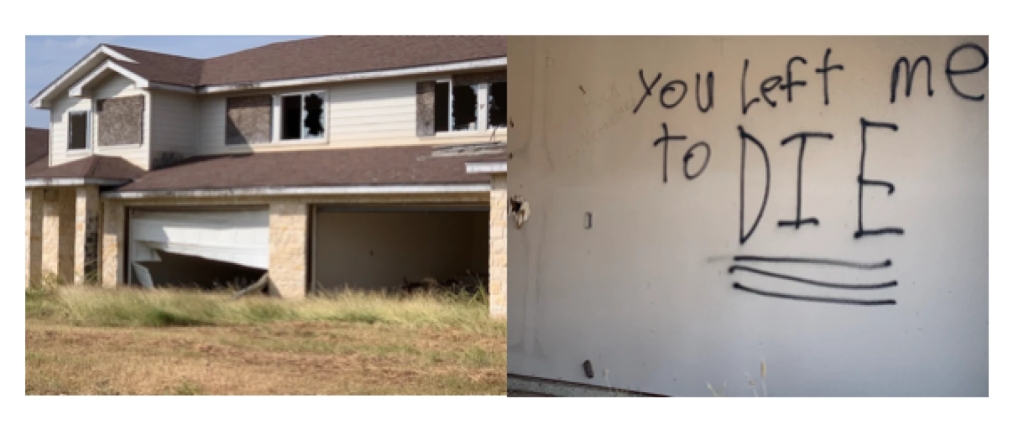
Several housing units leased by DFPS for housing foster youth were adjacent to blighted abandoned housing development. From Court Monitor’s Report, published by Texas Public Radio, https://www.tpr.org/government-politics/2022-01-12/texas-foster-care-in-crisis-after-a-decade-in-litigation-and-5-years-under-federal-oversight

Around the country, child welfare systems are struggling with a placement crisis, especially for their most troubled youths. In North Carolina, an assistant secretary of the health and human services department told county directors that the state’s child welfare system is in crisis and could be hit with a massive class action suit due to children with emotional and behavioral health needs being boarded in offices or left in emergency rooms. In Illinois, the Director of the Department of Children and Family Services has been found in contempt of court a dozen times for not find a appropriate placement for specific children who were left in psychiatric hospitals after they were ready for discharge, left in juvenile detention centers after their sentences expired, or slept on office floors for want of a better placement. A recent case involved a girl who remained in a psychiatric hospital 170 days after being cleared for discharge.

In Colorado, Florida, Kentucky, Maryland, Massachusetts, Michigan, New Mexico, New York, Ohio, Oregon, Pennsylvania, Rhode Island, Tennessee, Texas, Virginia, and Washington, the stories are similar. State and local agencies are unable to find appropriate placements for foster children and youth with the most severe behavioral health needs. As a result, they are being warehoused in inappropriate settings, such as temporary shelters, hotels, offices, or state-leased houses staffed by social workers; sent far away for residential care, or being left in psychiatric hospitals and detention centers after being cleared for release. Depending on the nature of the setting, these young people are deprived of normal schooling, activities, contact with their families, heathy food, exercise and opportunities to develop the life skills that they need. And equally important, they receive the message that nobody cares about them. As Cook County’s Public Guardian told a reporter about the children left for months in hospitals after a stay that should last no longer than a week or two :

“Imagine what it says to a child to see other kids come in, be treated, leave after a week. And they’re (wards of the state) stuck there for months, and months, and months because there’s nowhere for you,” Golbert said. “imagine the message that that sends to these children. It very powerfully tells these children that you don’t matter. And these are kids that often have attachment issues to begin with, by definition — they’ve been removed from abusive parents to be in DCFS care.”

Not surprisingly, the children languishing in inappropriate placements tend to be those who are hardest to place in foster homes. They tend to be older and with mental and physical disabilities, behavioral health problems, or both. Many of them have been bouncing from foster home to foster home for years until no foster home would take them. Many of these children have displayed violent or self-destructive behavior and are at risk of harming themselves or others. With fewer abused and neglected children being removed from their homes, foster care professionals all over the country are reporting that the children who are being placed today have more serious needs and often need of intensive services from professionals.

Few potential foster parents are willing to open their homes to youth who might be a threat to themselves or others in the home. Furthermore, many of these youth require a placement with intensive therapeutic services before being able to function in a normal foster home. Such a placement might be called a therapeutic group home, residential treatment center, or psychiatric residential treatment facility. Definitions of these terms vary, but the federal government’s foster care data system (AFCARS) classifies all these settings as “congregate care,” a term that has come to mean any setting that is not a foster home. Perhaps a specially trained, paid and supported therapeutic foster home could help some of these youths, but the numbers of such homes are tiny compared to the need.

So how did we get to this place where so many children with acute needs, far from having their needs met, are being housed in inappropriate and harmful settings? The foster care placement crisis is part of a larger crisis in residential care for youth (not just those in foster care) that stem from a push by advocates and governments to reduce the number of children in institutional care. Egregious cases of abuse in residential facilities have led to extensive press coverage, lawsuits, investigations, and the closure of many residential treatment centers. But they have also been used by opponents of residential care to argue that all such facilities are abusive or unnecessary, instead of recognizing that there are high-quality residential placements that can help the most wounded children who cannot be helped in another setting.

In addition to the growing opposition to residential care, other factors have also affected the supply of these facilities. Reimbursement rates have stagnated around the country, resulting in closure of some facilities. And those that are still open cannot pay their employees more than they would make in jobs in fast food or retail, with much less stress and risk. This has resulted in a staffing crisis that has caused facilities to close.

In a disturbing echo of the deinstitutionalization movement of the 1960’s, disappearing residential treatment facilities have not been replaced by other options for providing the necessary care. The Colorado Sun reported on the catastropic state of residential care in that state. More than 44 youth treatment centers, with more than 1,000 beds, have closed since 2007. Only “a handful” of the 40 remaining centers will take the youth with the most severe mental health problems. And the director of human services for Weld County, Colorado, told the Sun that when the county does find a residential bed for a child, the child is often kicked out for displaying behaviors to severe for them to handle.

At the same time as residential facilities for youth in general have been closing down, a series of laws and court settlements has resulted in massive reductions in residential beds available to foster youths specifically. As is often the case, California took the lead by passing its Continuum of Care law, and Congress followed by adopting the Family First Prevention Services Act (FFPSA), of which one of its two main purposes was the reduction of children’s placements in congregate care. FFPSA accomplished its purpose by limiting to two weeks the time a child could spend in congregate care, except for certain specialized facilities for youth who had been sex-trafficked, pregnant and parenting teens, and independent living facilities. The only other exception is a new facility type called a Quality Residential Treatment Program (QRTP), which must meet stringent requirements, like a trauma-informed model, accreditation, and full-time nurses on site, that would require major modifications for many existing facilities. FFPSA also required that any placement beyond two weeks be approved by a court and that a stay longer than 12 months be approved in writing by the head of the agency. FFPSA contains another poison pill for residential care, of which its framers may have been unaware. QRTP’s of over 16 beds will likely be classified by Medicaid as “Institutions of Medical Diseases,” and therefore youth who are placed in these facilities will be ineligible for Medicaid funding of any of their care.

New Mexico is a “window into challenges facing other states, as documented by Searchlight New Mexico and Pro Publica. in the aftermath of a court settlement in which it agreed to reduce its reliance on residential treatment centers for foster youth, the number of group facilities has dropped by about 60 percent over the four years ending last August. But the state has yet to build the the community-based behavioral health system that it had promised. Therefore, the highest-needs youths are spending months in crisis shelters designed for brief stays and not equipped to deal with severe mental illness. Practically every day, reports Searchlight New Mexico, someone at a shelter that accepts foster teens calls 911 with a report of young people harming themselves, attacking or threatening staff or other residents, or running away. According to Pro Publica, the state plans to train four therapeutic foster parents and open two small group homes, with six beds each, for troubled youth. The state has not yet licensed a single QRTP.

The states with the largest numbers of foster youths are facing crises as well. In California, according to a letter from four state associations in April 2022, 1,193 residential therapeutic beds available to foster youth had been lost since January 1, 2020. The writers report that they are “aware of a number of other providers who are either greatly reducing their capacity, shifting program models to serve youth with less intensive needs, or closing.” In Texas, at any time there are as many as 75 children sleeping in unlicensed facilities like hotels or state-leased houses staffed by CPS workers for lack of an appropriate placement. In New York, more than half of residential treatment facility beds for children have shut down in the past ten years, dropping from 554 to 274, according to Pro Publica. In New York City, the Imprint recently reported that at least 40 children currently in the City’s emergency Children’s Center have been there for more than a month. The center, designed for temporary stays, currently houses 72 children. Housing children with a variety of complex diagnoses and speaking multiple languages, the center is responsible frequent calls to 911 and has been the subject of public scrutiny as a result of some of these episodes.

Some commentators and media outlets persist in blaming the placement crisis on a shortage of foster homes. Confounding the foster home shortage with the shortage of placements for high-needs kids is deceptive. As mentioned above, there are not many potential foster homes that would agree to take these children or that could help them. The option of using therapeutic foster care, while politically popular, has so far resulted in only very small programs due to the difficulty in recruiting suitable parents. This is not to say there is no foster home shortage for children who could be accommodated in a foster home; such shortages probably exist in many or most states, especially when we talk about the supply of quality foster homes.

What can be done? As many advocates argue, we should help children earlier so that they don’t become so damaged that they have to be placed in residential care. Many child welfare leaders and and advocates say the answer is to reach out to families before they become involved with child welfare. But they rarely talk about intervening earlier and more intensively with families already known to child welfare agencies. As a member of the District of Columbia’s Child Fatality Review Team for years, I have observed a striking pattern among youths who are victims of gun violence. More often than not, their families have extensive child protective services case histories, often involving multiple children with repeated referrals for excessive absences from school, lack of supervision and physical or sexual abuse. The records show referral after referral being screened out, in-home cases being opened and quickly closed, and children being placed in and returned from foster care without any evidence of improvement in family functioning. Over time, the children’s behavior worsens, they acquire mental health diagnoses, become involved with juvenile justice, and those young people whose sad cases I reviewed eventually were killed by other youth and adults with similar backgrounds. We need to understand the deep intergenerational problems of chronically maltreating families and intervene with more intensity earlier–through intensive in-home services (with participation enforced by a court if necessary) and, when all else fails, removal of the child to a safer environment.

No matter what we do to help children earlier, it is obvious that at least in the short-run we must replace some of the lost residential facilities. These new facilities should be QRTP’s or other high-quality residential placements. But they must be established, and funded adequately enough to hire and adequately reward staff who are dedicated and passionate about their work. Some states have already taken action to boost their residential capacity for high-needs youth. The Legislature in Texas, for example, appropriated $70 million to the Department of Family and Protective Services (DFPS) for supplemental payments to retain providers and increase provider capacity, and another $20 million for new facilities for the young people with the most intense needs. Congress can help by exempting QRTP’s from the IMD exclusion. The federal government could also incentivize creation of QRTP’s through a pilot or grant program.

Around the country, and in states encompassing the vast majority of foster youth, there is a placement crisis that is affecting mostly those youth who require more intensive care and services. This is part of a larger crisis in residential care for youth, which is exacerbated among foster youth because of new laws and policies discouraging their placement in what is called “congregate care.” Those who explain this as a shortage of foster homes fail to understand the nature of the youth affected. Perhaps earlier intervention with children who are chronically abused or neglected can reduce the number of children who are in need of residential care. But at least in the short run, we must increase the supply of quality residential facilities in order to prevent further damage to these youths. It will be costly, but the costs of inaction would be far greater.


“Five Myths about the Child Welfare System” misleads more than it corrects

Source: UAlberta.ca

by Marie Cohen and Marla Spindel

The following was submitted as an Op-Ed to the Washington Post in an effort to ensure the. public has the benefit of various viewpoints on this topic but, unfortunately, the Post chose not to publish it.

We were troubled to read Dorothy Roberts’ “Five myths about the child welfare system” in the April 17th Outlook section of the Washington Post. Roberts’ version of reality does not agree with what we see every day as child advocates in the District of Columbia, nor with the research on child welfare.

“Myth” No. 1: Child welfare workers mainly rescue children from abuse. Roberts is correct that at most 17 percent of the children placed in foster care in FY 2020 were found to be victims of physical or sexual abuse. But she is wrong when she implies that most neglect findings reflect parents who are too poor to provide adequate housing, clothing and food to their children. Many of the neglectful parents we have seen have serious, chronic mental illness or substance use disorders that impact their parenting, and they are unwilling or unable to comply with a treatment plan. Meanwhile, the children in their care are often left to fend for themselves because their parents cannot feed and dress them, change their diapers, or get them to school. Many children neglected in this way develop cognitive and social deficits, attachment disorders, and emotional regulation problems. Most poor parents do not neglect their children. Even with scarce resources, they find a way to provide safe and consistent care.

“Myth” No. 2: Homes are investigated only if children are at risk of harm. The purpose of an investigation is to determine whether children are at risk of harm. Professionals who work with children are trained to report concerns about possible maltreatment, not to investigate on their own. The system is not perfect. Some reports are too minor to meet the definition of maltreatment, or even maliciously motivated. A surprisingly large number of children are reported every year and only a minority of these reports are substantiated—but that does not mean they are not true. But to propose that investigations should take place only if it is first determined that children are at risk puts the cart before the horse and disregards the safety of children.

“Myth” No. 3: Foster children are usually placed with loving families. Roberts’ statement that large numbers of children are placed in some form of congregate care — group homes, residential treatment centers and psychiatric hospitals—is misleading. Only eight percent of children in foster care were in a group home or institution at the end of September, 2020, though the percentage is higher for older youth. The problem is the lack of quality therapeutic placements for children who have been so damaged by long histories of abuse and neglect that they cannot function in a family home. It is true that many children bounce from one foster home to another, but these are often youths with acute behavior problems that make it difficult for them to function in a home. Roberts also fails to mention that 34 percent of foster children were residing in the homes of relatives as of September 2020, and that they have more placement stability than children placed in non-kinship homes.

“Myth” No. 3: Foster children are usually placed with loving families. Roberts’ statement that large numbers of children are placed in some form of congregate care — group homes, residential treatment centers and psychiatric hospitals—is misleading. Only eight percent of children in foster care were in a group home or institution at the end of September, 2020, though the percentage is higher for older youth. The problem is the lack of quality therapeutic placements for children who have been so damaged by long histories of abuse and neglect that they cannot function in a family home. It is true that many children bounce from one foster home to another, but these are often youths with acute behavior problems that make it difficult for them to function in a home. Roberts also fails to mention that 34 percent of foster children were residing in the homes of relatives as of September 2020, and that they have more placement stability than children placed in non-kinship homes.

Myth No. 4: Placing children in foster care improves their well-being.” Arguing that foster care is harmful is like arguing that treatment in a cancer ward increases the risk of dying of cancer. Foster youths are likely to have poor outcomes given their history of maltreatment, which foster care cannot erase. It is difficult to assess how foster care placement affects children, since we cannot do a controlled experiment in which some children are placed and a similar set of children are not. Roberts quotes only one study, from 2007, that shows harm from foster care—and that study included borderline cases only, leaving out children suffering severe and obvious maltreatment. She does not quote the same author’s brand-new paper, which finds both positive and negative effects for different contexts, subgroups, and study designs.

“Myth” No. 5: This system was founded after the case of Mary Ellen Wilson. This is an esoteric myth, as few people have heard of Wilson. Roberts is right that many histories trace the roots of today’s child welfare system to the case of that little girl. We appreciate Roberts’ clarifications but are not convinced of their significance. We believe other myths are much more relevant, such as that neglect is synonymous with poverty, or that all children are betteroff with their parents no matter how badly abused or neglected they are.

It is disappointing that the Post allowed Roberts to use this series to propagate new myths, rather than dispel old ones.

Marie Cohen is a former foster care social worker, current member of the District of Columbia Child Fatality Review Committee, and author of the blog, Child Welfare Monitor. You can findher review of Dorothy Roberts’ new book here. Marla Spindel is the Executive Director of DCKincare Alliance and a recipient of the 2020 Child Welfare League of America’s Champion for Children Award.

Torn apart: A skewed portrait of child welfare in America

In her 2009 book, Shattered Bonds: The Color of Child Welfare, Dorothy Roberts drew attention to the disproportional representation of Black children in foster care and child welfare in general and helped make “racial disproportionality” a buzzword in the child welfare world. In her new book, Torn Apart: How the Child Welfare System Destroys Black Families–And How Abolition Can Build a Safer World, Roberts revisits the issues addressed in Shattered Bonds and creates a new buzzword, renaming child welfare as the “family policing system.” Those who liked Shattered Bonds will likely love Torn Apart. But those who value accuracy in history or in data will find it to be sadly misguided, although it does make some valid points about flaws in the U.S. child welfare system.

Roberts starts with a horrific anecdote about a mother, Vanessa Peoples, who was doing everything right–she was married, going to nursing school, about to rent a townhouse and was even a cancer patient. But Peoples attracted the attention of both the police and child welfare and ended up hogtied and carted off to jail by police, placed on the child abuse registry, and subjected to months of monitoring by CPS after she lost sight of her toddler at a family picnic when a cousin was supposed to be watching him. But citing these extreme anecdotes as typical is very misleading. This particular story has been covered in numerous media outlets since it occurred in 2017 and continues to be cited regularly. One can counter every one of these horrific anecdotes with a story of a Black child who would have been saved if social workers had not believed and deferred to the parents. (See my commentary on the abuse homicides of Rashid Bryant and Julissia Batties, for example).

Roberts’ book restates many of the old myths that have been plaguing child welfare discussions as of late and that seem to have a life of their own, impervious to the facts. Perhaps the most common and pernicious is the myth that poverty is synonymous with neglect. Roberts embraces this misconception, suggesting that most neglect findings reflect parents who are too poor to provide adequate housing, clothing and food to their children. But parents who are found to have neglected their children typically have serious, chronic mental illness or substance use disorders that severely affect their parenting, and have refused or are unable to comply with a treatment plan. Many are chronically neglectful, resulting in children with cognitive and social deficits, attachment disorders, and emotional regulation problems. Commentator Dee Wilson argues based on his decades of experience in child welfare that “a large percentage of neglect cases which receive post-investigation services, or which result in foster placement, involve a combination of economic deprivation and psychological affliction…., which often lead to substance abuse as a method of self-medication.” Perhaps the strongest argument against the myth that poverty and neglect are one and the same is that most poor parents do not neglect their children.  They find a way to provide safe and consistent care, even without the resources they desperately need and deserve.

Roberts endorses another common myth–that children are worse off in foster care than they would be if they remained in their original homes. She argues that foster care is a “toxic state intervention that inflicts immediate and long-lasting damage on children, producing adverse outcomes for their health, education, income, housing, and relationships.” It is certainly true that foster youth tend to have bad outcomes in multiple domains, including education, health, mental health, education, housing and incarceration. But we also know that child abuse and neglect are associated with similar poor outcomes. Unfortunately, the research is not very helpful for resolving the question of whether these outcomes are caused by the original child maltreatment or by placement in foster care. We cannot, of course, ethically perform a controlled study in which we remove some children and leave a similar set of children at home. We must rely on studies that use various methodologies to disentangle these influences, but all of them have flaws. Roberts cites the study published in 2007 by Joseph Doyle, which compared children who were placed in foster care with children in similar situations who were not. Doyle found that children placed in foster care fared worse on every outcome than children who remained at home. But Doyle focused on marginal cases* and left out the children suffering the most severe and obvious maltreatment. In a brand-new paper, Doyle, along with Anthony Bald and other co-authors, states that both positive and negative effects have been found for different contexts, subgroups, and study designs.

There is one myth that Roberts does not endorse: the myth that disproportional representation of Black children in child welfare is due to racial bias in the child welfare system, rather than different levels of maltreatment in the two populations. After an extensive review of the debate on this issue, Roberts concludes that it focused on the wrong question. In her current opinion, it doesn’t matter if Black children are more likely to be taken into foster care because they are more often maltreated. “It isn’t enough,” she states, “to argue that Black children are in greater need of help. We should be asking why the government addresses their needs in such a violent way, (referring to the child removal). Roberts was clever to abandon the side that believes in bias rather than different need as the source of disparities. The evidence has become quite clear that Black-White disparities in maltreatment are sufficient to explain the disparity of their involvement in child welfare; for example Black children are three times as likely to die from abuse or neglect as White children. As Roberts suggests and as commentators widely agree, these disparities in abuse and neglect can be explained by the disparities in the rates of poverty and other maltreatment risk factors stemming from our country’s history of slavery and racism. Unfortunately, Roberts’ continued focus on these disparities in child welfare involvement will continue to be used by the many professionals who are working inside and outside child welfare systems all over the country to implement various bias reduction strategies, from implicit bias training to “blind removals.”

In Part III, entitled “Design,” Roberts attempts to trace the current child welfare system to the sale of enslaved children and a system of forced “apprenticeship” of formerly enslaved Black children under Jim Crow, whereby white planters seized custody of Black children from their parents as a source of forced labor.** As she puts it, “[t]hroughout its history US family policy has revolved around the racist belief that Black parents are unfit to raise their children. Beginning with chattel slavery and continuing through the Jim Crow, civil rights, and neoliberal eras, the white power structure has wielded this lie as a rationale to control Black communities, exploit Black labor, and quell Black rebellion by assaulting Black families.” In other passages she adds other groups to the list of victims, adding “Indigenous, immigrant and poor people to the list of communities that are being controlled by the “family policing system.” But most of her statements refer to Black victims only.

Roberts’ attempt to connect slavery and Jim Crow practices with child welfare systems highlights a major flaw of the book. She herself explains that due to racism the child welfare system served only White children when it emerged in the nineteenth century with the creation of child protection charities and the passage of state laws allowing maltreated children to be removed from their homes and placed in orphanages. Foster care was established in the middle of the century and also excluded Black children. The system did not begin serving Black children until after World War II, so it is difficult to understand how it could stem from slavery and Jim Crow practices. It seems much more plausible that the child welfare system arose from basically benevolent concerns about children being maltreated, and that with the rise of the civil rights movement, these concerns were eventually extended to Black children as well.

While Black children’s representation as a share of foster care and child welfare caseloads rose rapidly starting in the 1960’s, and Black children are much more likely to be touched by the system than White children, the system still involves more White than Black children. According to the latest figures, there were 175,870 White non-Hispanic children in foster care (or 44 percent of children in foster care) and 92,237 Black (non-Hispanic) children in foster care, or 23 percent of children in foster care. Moreover, the disparity between Black and White participation in child welfare and foster care as a percentage of the population seems to be decreasing.*** So the idea that this whole system exists to oppress the Black community and maintain white supremacy seems farfetched.

Roberts’ attempt to make Black children the focus of the book results in some awkward juxtapositions, like when she admits that though the Senate investigation of abuses by a for-profit foster care agency called MENTOR “highlighted cases involving white children, we should remember that Black children are more likely to experience these horrors in foster care—not only because Black children are thrown in foster care at higher rates, but also because government officials have historically cared less about their well-being.” A page later she states that the “child welfare system’s treatment of children in its custody is appalling but should come as no surprise. It is the predictable consequence of a system aimed at oppressing Black communities, not protecting Black children.” It is hard to understand how White children being maltreated in bad placements supports this narrative.

Fundamental to Roberts’ critique is her system is “not broken.” “Those in power have no interest in fundamentally changing a system that is benefiting them financially and politically, one that continues to serve their interests in disempowering Black communities, reinforcing a white supremacist power structure, and stifling calls for radical social change.” Even if one believes there is a white supremacist power structure, it is hard to see the direct connection between the abuses Roberts is highlighting and the disempowerment of Black communities; it seems more likely that the more abusive the system, the more protests it would generate. And at a time when the federal government and some of the wealthiest foundations and nongovernmental organizations are echoing much of Robert’s rhetoric, her reasoning seems particularly off-target.

Roberts makes some valid criticisms of the child welfare system. Her outrage at the terrible inadequacies of our foster care system is well-deserved. She is right that “The government should be able to show that foster care puts Black children [I’d say “all children”] on a different trajectory away from poverty, homelessness, juvenile detention, and prison and toward a brighter future.” Any society that removes children from their parents needs to be responsible for providing a nurturing environment that is much, much better than what they are removed from. And we are not doing that. As Roberts states, “The state forces children suffering from painful separations from their families into the hands of substitute caretakers…..who often have unstable connections, lack oversight and may be motivated strictly by the monetary rewards reaped from the arrangement.” As a foster care social worker in the District of Columbia, I was driven to despair at my inability to get my superiors to revoke the licenses of such foster parents; the need for “beds” was too great to exclude anyone was not actually guilty of abuse or severe neglect. Roberts is also right to be concerned the outsourcing of foster care to private for-profit organizations that may be more concerned with making money than protecting children, sometimes resulting in scandals like the one involving MENTOR Inc., which was found to hire unqualified foster parents and fail to remove them even after egregious violations like sexual assault.

Roberts also raises valid concerns about children being sent to residential facilities, often out of state, that resemble prisons rather than therapeutic facilities. But she ignores the need for more high-quality congregate care options for those children who have been so damaged by years of maltreatment that they cannot function in a foster home, no matter how nurturing. Instead, she repeats the usual litany of scandals involving deaths, injuries, fights and restraints, without noting the undersupply of truly therapeutic residential settings, resulting in children sleeping in office, cars, and hotels or remaining in hospital wards after they are ready for discharge. Ironically, she supports defunding the system, even if that would mean even worse situations for these children.

Roberts decries the fact that parents sometimes relinquish custody of their children in order to get needed residential care, arguing that “rather than providing mental health care directly to families, child welfare authorities require families to relinquish custody of children so they can be locked in residential treatment centers run by state and business partnerships.” That statement is completely backwards. The child welfare system does not provide mental health services but, like parents, it often struggles to secure them for its clients. Some parents are forced to turn to the child welfare system because their insurance will not pay for residential care for their children. That is not the fault of child welfare systems, which clearly do not want to take custody of these children. The underlying problem is the lack of adequate mental health care (including both outpatient and residential programs), which has destructive consequences for the foster care system. This is exacerbated by the lack of parity for mental health in health insurance programs. It’s hard to believe Robert is unaware of these well-known facts.

Roberts is correct that parents as well as children are shortchanged by inadequacies in our child welfare program, such as the “cookie cutter” service plans which often contain conflicting obligations that are difficult for struggling parents to meet. But she is wrong when she says that parents need only material support, not therapeutic services. But this error flows logically from her concept of neglect as simply a reflection of poverty. In fact, many of these parents need high-quality behavioral health services and drug treatment, which are often not available because of our nation’s mental health crisis, as well as the unwillingness of taxpayers and governments at all levels to adequately fund these services.

In her final chapter, Roberts concludes that, like the prison system, the child welfare system cannot be repaired because it exists to oppress Black people. “The only way to end the destruction caused by the child welfare system is to dismantle it while at the same time building a safer and more caring society that has no need to tear families apart.” In place of family policing, Roberts favors policies that improve children’s well-being, such as “a living wage and income support for parents, high-quality housing, nutrition, education, child care, health care; freedom from state and private violence; and a clean environment.” I agree with Roberts that aid to children must be expanded. The US is benighted when compared to many other Western countries that invest much more heavily in their children through income support, early childhood and K-12 education, healthcare, and housing. But family dysfunction occurs even if a family’s material needs are met. That is why every other developed nation has a child welfare system with the authority to investigate maltreatment allegations and assume custody of children when there are no other options. Moreover, some of the countries with the strongest safety nets for children also have higher percentages of children living in foster care than the United States.****

Torn Apart is a skewed portrait of the child welfare system. In it Roberts restates the common but easily discredited myths that poverty is synonymous with neglect and that foster care makes children worse off than they would have been if left at home. The underlying flaw in her account is the idea that this system exists to repress the Black community, even though it was established solely for the protection of White children. Roberts makes some valid criticisms of child welfare systems and how they shortchange the children and families they are supposed to help. But when she talks of dismantling child protection, she is proposing the abandonment of abused and neglected Black children in homes that are toxic to them, an abandonment that will perpetuate an intergenerational cycle of abuse and neglect. These children are our future; abandoning their well-being to prioritize that of their parents is a bad bargain with history.

*Doyle’s study included only those cases that would have resulted in foster placement by some investigators and not by others, leaving out the cases in which children were in such danger that all investigative social workers would agree that they should be placed.

**In various places, she also attributes it to different combinations of slavery and apprenticeship of Black children with the transfer of Native American children to boarding schools, the exclusion of Black children from charitable aid and the servitude of impoverished White children.

***A recent paper reports that disparities between Black and White children began to decrease in the twenty-first century in nearly every state, closing entirely in several Southern states.

****Unicef’s report, Children in Alternative Care, shows that Denmark has 982 children in “alternative care” per 100,000 and Sweden has 872 per 100,000, compared to 500 per 100,000 for the United States.

Congress must take steps to ensure availability of therapeutic residential care

Around the country, there is a lack of appropriate placements for the most traumatized and hard-to-place foster youth–a shortage that has reached crisis proportions in many states, including Texas, Washington, and Illinois. These children are spending days, weeks or even months in offices and hotels or languishing in inpatient psychiatric units where there is no semblance of normal life. These young people have been damaged by our negligence and now deteriorate daily without the treatment they need and deserve.  Unfortunately, recent federal legislation is likely to worsen the crisis by withdrawing federal funding for children placed in some of the best therapeutic residential settings.

An unforeseen consequence of the much-heralded Family First Prevention Services Act (FFPSA) of 2018 may exacerbate the shortage of therapeutic placements in many states. FFPSA had twin goals: to shift resources from foster care to family preservation, and within foster care, to shift resources from congregate care settings (anything other than a foster home) to foster homes.  However, the framers of the act did recognize that some children need more intensive care than a foster home can provide, and for them FFPSA defined a new category of placement called a Quality Residential Treatment Program (QRTP). QRTP’s must have a trauma-informed treatment model, involve families, be accredited by an approved organization, and provide at least six months of aftercare. A child can be placed in a QRTP only if a qualified professional determines that the child’s needs cannot be met in a foster home, and the placement must be approved by a judge. Other than specialized settings for teen parents, children who have been sex-trafficked, and supervised independent living settings for foster youths aged 18 and older, QRTP’s are the only non-family placements that can be funded under FFPSA.

Unfortunately, in creating QRTP’s, Congress unintentionally created a conflict with a provision of the Medicaid law that may sharply limit the number of children who can benefit from this new category of therapeutic placement. The problem is that federal Title IV-E foster care funding pays for room and board, but not the costs of medical, dental, behavioral and mental health care for children in foster care. States generally extend Medicaid to all foster youths, allowing the program to cover those costs. But the “IMD exclusion,” a provision included in the original 1965 legislation creating the Medicaid program, prohibits federal Medicaid dollars to be used to pay for any care or services to anyone under 65 who is a patient in an “institution for mental diseases” except for in-patient psychiatric services provided to children under 21. An Institution for Mental Diseases (IMD), as defined by Section 1905(i) of the Social Security Act, is a “hospital, nursing facility, or other institution of more than 16 beds, that is primarily engaged in providing diagnosis, treatment, or care of persons with mental diseases including medical attention, nursing care, and related services.” (For more on the IMD exclusion, see Fact Sheets by the Legal Action Center and the Training and Advocacy Support Center.)

This “IMD exclusion” reflects the sentiment at the time of Medicaid’s creation in 1965 against the large public institutions where the mentally ill were warehoused at the time. The provision was a driving force behind the transformation of public mental health care from an inpatient to an outpatient model, often known as “deinstitutionalization.” But now, many high-quality therapeutic residential programs have more than 16 beds distributed between separate units or cottages on one campus, and in many states these are exactly the facilities that qualify to be licensed as QRTP’s. Without a legislative fix, QRTP’s of over 16 beds may be considered IMD’s and children placed there will not be eligible for federal Medicaid funding for any of their care, including medical, dental, behavioral and mental health services, whether delivered inside or outside the residential program.  States will then have to pay the entire costs of all care for foster children placed in these settings.

Decisions as to whether a facility is an IMD are made on a facility by facility basis based on federal law, regulations and guidance. But the definitions of IMD’s and QRTP’s, as well as the guidance provided by the Center for Medicare and Medicaid Services (CMS) in the State Medicaid Manual section 4390 on how to determine if a facility is an IMD, suggests that QRTP’s are likely to be considered IMD’s. When California wrote to CMS arguing that its “short-term residential treatment programs” (which they were hoping to designate as QRTP’s) should not be considered IMD’s, CMS responded that it was  “unable to provide California the blanket assurance requested that STRTPs are not IMDs.” While a state Medicaid agency can elect not to consider a facility to be an IMD, CMS can essentially overrule these decisions by requiring a state to review the status of these facilities based on its guidance.

Even before the current crisis over QRTP’s, the IMD exclusion had resulted in the loss of Medicaid coverage for foster children living in therapeutic residential facilities in at least two states. For years, Minnesota was using residential programs that would have met the definition of QRTP’s as an alternative to, or a step down from psychiatric hospitalization. But, as reported by the Star-Tribune, after a review ordered by federal officials, 11 treatment centers with a total of 580 beds lost about $4.5 million in federal Medicaid funding–a cost that had to be picked up by counties. Utah went through an “IMD sweep” in 2010, which resulted in its replacing most of its residential treatment centers serving children in foster care with facilities having less than 16 beds.

The Association of Children’s Residential and Community Services (ACRC) has been contacting states to find out how they are dealing with the IMD/QRTP issue. They found that states fall into several groups:

  • Some states are not concerned about the IMD problem because they are not planning to implement QRTP’s. Some already rely on facilities that are exempt from the IMD exclusion (Psychiatric Residential Treatment Facilities or facilities with fewer than 16 beds) or will use state funds to pay for children placed in residential care.
  • Some states are proceeding on the hope that their QRTP’s will not be declared to be IMD’s even if they have more than 16 beds. This includes six states where all of the programs that have been approved as QRTP’s have more than 16 beds.
  • Some states are discussing whether to limit the size of their QRTP’s but have not yet decided whether to do so. In many of these states, the majority of the potential QRTP’s have more than 16 beds–or the majority of the QRTP beds are in facilities with more than 16 beds.
  • Some states are trying workarounds to avoid the IMD designation. Two states have decided to separately license cottages that are on the same campus, which enables them to use the bed count for the individual cottage rather than the entire facility, thus potentially avoiding an IMD designation. Another state has classified all residential facilities as serving youth at risk of sex trafficking, one of the allowable uses of congregate care. Whether these workarounds will be accepted by CMS or the Administration for Children and Families (in the case of the latter state) remains to be seen.

Colorado has decided to limit its QRTP’s to 16 beds or less, and a FAQ document from the Colorado Department of Human Services provides an interesting case study in how one state has tried to address the QRTP issue. Hoping to find a way to license its existing residential facilities as QRTP’s, Colorado’s Medicaid and child welfare agencies worked together to analyze the federal IMD criteria and its application to QRTP’s. These agencies “explored every possible argument that would allow Colorado to confidently move forward with QRTPs without risking an IMD designation.” But ultimately they agreed that the only way to avoid the designation was to reimburse only QRTP’s with 16 beds or less. Currently almost all of Colorado’s residential facilities that could have been designated as QRTP’s have more than 16 beds. Instead of creating smaller programs, the state is planning to serve fewer children in residential facilities. The question is whether they will have appropriate options for those children who have been determined to need therapeutic residential care. There is considerable concern that they will not.

Without legislation exempting QRTP’s from the IMD exclusion, states will be faced with the choice of paying the full costs of care for children in therapeutic residential care or scrapping their current facilities and starting from scratch. Vulnerable children may end up in greater numbers in hotels, offices, and hospital beds or bouncing between foster homes that are not equipped to care for them.

According to ACRC, there is no evidence that residential programs with 16 beds or less produce better outcomes than programs with a higher capacity. As a matter of fact, there are reasons to think that a larger campus would be able to offer more services (like therapeutic riding or other specialized therapeutic modalities) that would not be possible to offer on a smaller campus. It is also possible that the IMD/QRTP conflict might result in more foster youth receiving a higher level of care through Psychiatric Residential Treatment Facilities (PRTF’s). These are facilities that deliver an inpatient level of care outside a hospital and they are not considered IMD’s. They are exempted from the IMD exclusion and Medicaid can pay all costs for these facilities, including room and board. So FFPSA might have the perverse result of having more children in a more restrictive, less homelike setting.

On July 23, ACRC sent a letter to the House and Senate leadership asking them to pass legislation by October 1, 2021, exempting Qualified Residential Treatment Programs (QRTPs) from the Institution for Mental Diseases (IMD) exclusion. In the letter, ACRC argues that that “without the exemption for QRTPs, thousands of children in foster care who are vulnerable will be pushed into more restrictive placements, non-therapeutic shelters, unlicensed or unstable settings, or they will bounce from placement to placement without addressing their true needs – which is opposite the intent of the FFPSA.” So far, about 540 organizations have signed onto the letter, and more signatures are coming in daily.

Many groups concerned with the mentally ill have long been advocating for an end to the IMD exclusion altogether, arguing that it is behind the nationwide shortage of psychiatric beds. Rep. Grace Napolitano, Democrat from California, has introduced a bill (H.R. 2611) to eliminate it. CMS and ACF during the Trump Administration also proposed eliminating the exclusion specifically for QRTP’s in its budget for 2021. There are strong arguments for eliminating this exclusion, but the urgency of the QRTP problem requires immediate action, rather than waiting to change a policy that has lasted 50 years.

Unfortunately, there is opposition to lifting the IMD restriction among powerful and wealthy advocates whose ideology appears to blind them to the reality facing our most vulnerable children. William Bell of Casey Family Programs, the nation’s most influential child welfare funder and a leading force behind the Family First Act, urged Congress in testimony to “stand firm” in resisting modifications to the IMD rule. In the real world, where staff work face-to-face with wounded children, the picture looks very different.

The IMD exclusion for QRTP’s threatens to eliminate one of the most promising avenues to address the desperate shortage of therapeutic residential placements for foster youth that already exists in many states. On the state level, legislators must open their hearts and their minds to the pleas of those who are on the front lines caring for our most troubled children. They must increase funding for the therapeutic residential programs the most vulnerable foster youth so desperately need. Congress must help by exempting QRTP’s from the IMD exclusion, enabling the federal government to ensure access to therapeutic residential care–and ensure that the legislation they authored and passed can actually be implemented by states. 

When Ideology Outweighs what’s Best for Kids: the case of San Pasqual Academy

Image: Jeffery Heil, Twitter.com

In 1998, something extraordinary happened in San Diego County. Galvanized by the heartbreaking stories of local foster youth who were disgorged at the age of 18 from a system that never gave them the tools to thrive, the community came together to create a place where foster youth could prepare for happy and productive futures. In 2001, the San Pasqual Academy (SPA) opened as a result of this unique moment of community solidarity and altruism. Twenty years and over 400 graduates later, SPA is on the chopping block because of federal and state legislation that eliminates any funding for placements that are not standard foster homes, unless they are providing temporary intensive treatment for severe mental health conditions.

The story of SPA began in 1998 when James R. Millikan, the presiding judge of the San Diego Juvenile Court, arranged for a group of foster youths to speak to the County Board of Supervisors, as described in a moving video. It was a transformational moment for many of the listeners, who were essentially unaware of the plight of older foster youth. Supervisors were riveted by young foster care alumni, who described surviving as many 30 placements and being discharged to the streets at the age of 18, with no supports or tools for success. This magic moment resulted in the creation of SPA.

In a rare moment of collaboration by multiple agencies and community leaders, SPA was developed with the support of Judge Milliken, the County Board of Supervisors, the Child Welfare Director, the Office of Education, as well as attorneys, social workers, healthcare providers, educators, law enforcement, foster youth, and other community members. They found a disused boarding school for sale on 238 acres, refurbished it, and opened it in September 2001. The goal was to “provide a safe, stable and caring environment” where youth [could] work toward their high school diplomas, prepare for college and/or a vocation, and develop independent living skills.” The Academy was “designed to be a place its students can call home, providing stable relationships needed for development of social skills and future relationships during their student experience at the Academy and beyond.”

SPA services can be classified into four categories: residential, education, work readiness and child welfare.

  • Residential: The residential component is run by New Alternatives, Inc., a private nonprofit. Youths live in family-style homes with house parents for up to eight children per cottage. “Foster grandparents,” who live on campus for reduced rent, mentor, tutor and engage students in hobbies and activities. An on-campus health and wellness center provides comprehensive health care, including mental health. Housing and supportive services are also available to Academy alumni for up to 24 months. (Twelve alumni are living on campus right now, taking advantage of this crucial safety net in the midst of a pandemic.)
  • Education: The onsite high school program is operated by the County Office of Education. After-school activities include student government, athletics, yearbook, and dances.
  • Work Readiness: Provided by the San Diego Workforce Partnership, services include tutoring, career counseling, job training, internships, employment, vocational electives, and assistance in creating resumes and portfolios.
  • Child Welfare: Social workers from the County Department of Health and Human Services (DHHS) onsite provide case management, services and advocacy.

The resources provided to SPA students are enhanced by the support of Friends of San Pasqual Academy, a dedicated group of community members who provide additional financial support and volunteer work. Friends’ support pays for special events, school supplies, and personal items, all designed to give students a “normal high school experience.” The Friends raise money for maintenance and upgrades to the cottages, the pool and other parts of the facility. They have leveraged outside resources to help SPA. The San Diego Chargers helped build the football field and the Padres built the softball field for SPA.

SPA truly embodies the definition of wraparound services, and the research shows that it works. To assess the effectiveness of the SPA model, New Directions commissioned a ten-year research study that followed 478 SPA alumni, including all youth who attended the academy between February 2001 and June 2011 and left the program between July 2002 and July 2012. The results were summarized in an article titled “Comprehensive residential education: a promising model for emerging adults in foster care,” which was published in Children and Youth Services Review. The findings were impressive. As the authors put it, “Foster youth who participated in the Academy until they were 18 years old or older attained high school diplomas or GEDs at rates far above state and national standards for foster youth. Of the youth who were at least 18 years old when discharged from the Academy, 92% of them graduated with a high school diploma or GED, which greatly exceeds Californias high school graduation/GED rates for foster youth of 45% and for the general population of California youth of 79%….In fact, we are not aware of any other program serving foster youth in the United States…with such high rates of high school diploma/GED completion.”

The evaluators concluded that “the Academy provided its alumni with safety, significant relationships with adults, and well-being that exceed state and national standards for foster youth. Those youth who attended the Academy for longer periods of time through their 18th birthday and participated in extracurricular activities had the most positive outcomes, including safe housing, employment, access to healthcare, attainment of a high school diploma or GED, and attendance at institutions of higher education. The Academy appears to provide a stable, comprehensive residential education program that helps foster youth successfully emerge into adulthood.” A preliminary draft of a follow-up study focusing on current students and alumni is equally glowing.

In addition to the spectacular evaluation mentioned above, SPA has been the subject of several other flattering reports. Five San Diego County “grand juries” (groups appointed by Superior Court judges to investigate, evaluate, and report on the actions of local government) and four county Juvenile Justice Commissions have issued glowing reports on SPA. The most recent report, by the group meeting from 2016-2017, lamented the fact that SPA was operating at only 50 percent of its capacity of 184 students. The Grand Jury recommended that SPA be fully utilized to make full use of its life-saving potential. San Diego’s Juvenile Justice Commission has also issued multiple flattering reports on SPA. In its most recent report, issued in 2018, the commission stated that “SPA continues to be a model facility delivering essentially full service, wrap around services in a residential setting to foster youth.”

Despite the overwhelming evidence of SPA’s life-changing impact, the number of children at SPA declined from 139 in April 2011 to 69 as of February 1, 2021. The most important reason for declining referrals appears to have been the decline in support by child welfare leaders for what is often called “congregate care,” usually meaning any type of setting other than a foster home. This change in mindset was created in large part through influence of two wealthy organizations started by the same family, Casey Family Programs and the Annie E. Casey Foundation, that have used their financial resources to produce reports like Every Kid Needs a Family, lobby legislators, and provide free consultation with states. With the help of the “Casey Alliance,” a new narrative has been created that that all “congregate care” settings are prison-like institutions and any family home is better than a group setting for almost every child.

The change in mindset eventually resulted in legislative changes. California’s Continuum of Care Act, passed in 2015. ended the placement of foster youth in group settings except to provide short term therapeutic care. Thanks to SPA’s known track record and strong support, pilot program was authorized to allow SPA to operate through December 2021. But passage by the U.S. Congress of the the Family First Prevention Services Act (FFPSA) sealed SPA’s fate. Like Continuum of Care, FFPSA essentially eliminated federal funding for placement in settings other than foster homes except for short-term placements for youth who assessed to have a diagnosis that requires a level of care that a family cannot provide. With the implementation of FFPSA scheduled for October, the California Department of Social Services (CDSS) decided to advance the date of SPA’s closure to avoid having to use state funds to maintain it until December. In an undated letter, CDAA informed San Diego County DHHS that SPA must close by October.

Both Continuum of Care and FFPSA were based on the belief that children almost always do better in families than in other, more institutional settings. But as we have written, supporters often misuse data and research to support this belief. Research generally shows children in group care having poorer outcomes than those in foster care. But these studies do not account for the fact that children placed in group care generally have much more severe issues, which is why they were placed in group care in the first place. Moreover, supporters of “a family for every child” fail to define the concept of a family. The cottages at SPA and many other residential facilities offer a family setting, with house parents who play the parental role, as one house parent eloquently described in the video cited above. SPA homes are much more like families than many foster homes, where the foster parent has little interaction with the youth and provides little besides room and board. In fact, the residential component of SPA could be called “enhanced foster care” more accurately than congregate care.

And that raises the related concept of quality, which the reformers ignored. Quality matters much more than the type of setting. It is likely that most parents whose child had to leave home, would prefer a high-quality group setting (even if not family-style) for their children than a low-quality family setting. Anyone who has worked in foster care will know the difficulty of obtaining high-quality settings for older foster youth. Due to the scarcity of foster families, especially those willing to accept older youth, few jurisdictions can afford to be choosy enough about whom they accept and retain. What they do get more often than not are foster homes that provide little beyond room and board (and often those are barely adequate), foster parents who never set foot in the child’s school, refuse to take them to the doctor and the therapist, and quickly return difficult youths to the agency–resulting in multiple placements for each foster youth. Moreover, in my experience as a foster care social worker in the District of Columbia, few of my high school age clients participated in extracurricular activities because foster parents were unwilling to pick them up late from school or take them to weekend games, performances or other activities. Yet, engagement in after-school activities is linked with higher academic performance and college attendance, better health, and fewer problem behaviors.

Opponents of group care also ignore the problem of sibling separation. Many children placed in traditional foster homes are separated from one or more siblings because foster families do not have room for sibling groups. As I argued in Sibling Separation: An Unintended Consequence of the Family First Act, family-style group homes like those provided by SPA have been an important vehicle for keeping siblings together. In addition to providing a home for sibling groups of high school age, SPA accepts siblings of current students who are of middle-school age, allowing them to live at SPA and attend school in the community. The importance of siblings to foster children is such that even some congregate care opponents admit that it is better to place siblings together in congregate care than to separate them into different foster homes.

It is important to note that the restrictions on group care in FFPSA had another purpose aside from the alleged benefits to foster care. Restricting group care, which is more expensive than foster care, was necessary to free up federal funds to pay for the expansion of funding for services to prevent the placement of children in foster care. In other words, to find the money to preserve families, Congress took it away from services to the children who will have to be removed when family preservation fails. As long-time Congressional staffer and child welfare consultant Sean Hughes wrote in the Imprint, the focus among child welfare advocates seems to have shifted almost exclusively toward preventing entry into foster care, with little advocacy being devoted to actually improving the continuum of care for children in out-of-home care.

Current students, alumni and supporters of SPA were stunned by the CDSS letter. A petition on Change.org has obtained almost 11,000 signatures so far. Supporters of SPA have created a Facebook page and deluged public officials with letters and telephone calls. Reverend Shane Harris, the President and founder of the People’s Association of Justice Advocates, says SPA changed his life and gave him a safe place to grow up and is fighting to keep it open. One alumna is quoted on the Save San Pasqual Facebook page as follows: “I really loved living at SPA. I got to create relationships, a family and a strong support system. I also became stable by living here. I was able to attend school and catch up from how behind I was. I succeeded in sports and found outlets to deal with emotions. I couldn’t live in foster homes because the families wouldn’t treat me like their own.” Simone Hibbs-Monroe, valedictorian of the class of 2009 told KUSI News that “SPA has been a community safe haven and the only solution for many foster youth and a dedicated home for many alumni of foster care… “It’s an opportunity for children to feel normal. We are able to play sports, get jobs, have pep rallies, have our first proms, get our drivers’ licenses …..these are all the things that the caring community of San Pasqual offers its youth and its alumni….Often people [say] it takes a village to raise a child. That is San Pasqual Academy.”

Current and former staff have joined the call to save SPA. SPA’s Clinical Director, Rex Sheridan, wrote as follows in an eloquent letter to the County Supervisors and San Diego’s DHHS leadership team. “During my career in mental health and youth services, two decades of which has been in San Diego County, I have had contact with and worked in many different settings dedicated to meet the needs of our most vulnerable youth populations; yet none could even remotely be compared to what is offered at SPA. That is why I have now spent a third of my life committed to and working to develop this program because of first-hand experience witnessing lives transformed, hearts opened back up after years of disconnection, wounds healed after lifetimes of abuse and trauma, siblings reunited after separation, goals reimagined out of hopelessness, skills and knowledge crafted and nurtured out of feelings of incompetence, and new identities and possibilities replacing desperation and fragmentation. And if you think that those experiences sound overstated or dramatic, then you haven’t had the privilege of attending games where youth are cheered for the first time in their lives, one of our talent shows where they perform an original song, or a college road trip where they get to visit universities all over the state and envision a new possibility that was never previously imagined.”

What can be done to save SPA? The state and the county must adopt a stop-gap solution to keep SPA running as they work to permanently amend state law to create a category of residential schools that is eligible for reimbursement. On the federal level, advocates are already working on legislation to amend FFPSA to add residential campuses with family style homes as a placement option. We will share more information as it becomes available.

The proposed closure of SPA is a victory of ideology and greed over humanity and common sense. We need more, not fewer San Pasqual Academies. Rather than shutting it down, the state and county should be ensuring that it is at capacity and boasting that within their borders lies the most effective foster care program in the country.