by Emily Putnam-Hornstein (University of North Carolina at Chapel Hill), Sarah Font (Pennsylvania State University), and Brett Drake (Washington University in St. Louis).
I am honored to publish this post by three of the leading academic researchers in child welfare. As often is the case in this blog, they are writing about the flawed use of data to support the user’s claims about a policy or program. In this essay, the authors discuss last year’s testimony by Indiana’s deputy director of child welfare services claiming success for the state’s family preservation program in reducing foster care caseloads without compromising child safety while also reducing racial disparities.
On May 22, 2024, the U.S. Senate Committee on Finance held a hearing titled “The Family First Prevention Services Act (FFPSA): Successes, Roadblocks, and Opportunities for Improvement.” The testimony was striking for its still-aspirational tone 6 years after the law passed and its sanitized depiction of why children enter foster care. As researchers, however, the statistics offered by Indiana’s deputy director of child welfare services, David Reed, caught our attention. Reed’stestimony indicated that FFPSA and associated investments in intensive family preservation services and concrete supports had produced: (1) a 50% decline in the state’s foster care caseload, alongside improved child safety; and (2) a two-thirds decrease in racial disparities among children entering foster care.
These claims are striking and beg the question: How?
On their very face, such dramatic numbers should invite skepticism. Despite continued efforts to move “upstream,” empirical studies of maltreatment prevention programs generally generate null or small effects. But one way for an agency to achieve a rapid reduction in foster care caseloads is to increase the threshold for intervening, leaving children in environments from which they would have been previously removed.
Below, we review data for Indiana and conclude that available evidence does not support the testimony offered.1 This is problematic not only for Senate Committee Members, but also the field at large. Bold causal claims based on flawed interpretations of data too often lead policymakers, and the public, to conclude that there are easy fixes to complex problems.
Reducing Entries to Foster Care and Improving Child Safety
The ideal way to reduce foster care entries is by reducing the community incidence of child abuse and neglect. Other than a brief drop during the COVID-19 pandemic, and despite investments in voluntary programs such as Healthy Families Indiana, referrals to Indiana’s child maltreatmenthotline were largely stable pre- and post-FFPSA implementation (i.e., 168,919 in 2017 vs. 172,077 in 2023). There is no evidence of a decrease in suspected maltreatment identified by community members.
Of note, data indicate that Indiana is now screening in a smaller percentage of referrals (75.0% in 2017 to 57.9% in 2023). Certainly, it is possible that Indiana was responding to allegations of maltreatment that were unwarranted. Indiana issued guidance in 2021 designed to change the state’s response to allegations of “educational neglect.” But if such changes led to the reduction, one would expect that as more “low-risk” referrals were screened out, children who were screened in would have higher risk and a greater share would be identified as victims requiring services.
Yet that is not what the data show. Among children who were screened in, the number of substantiated victims declined by roughly 30% between 2017 and 2023. This decline is particularly notable, given that during this same period, overdose deaths in Indiana were increasing and parental substance abuse is one of the most well-established risk factors for child maltreatment. It would appear that in addition to reducing the number of children who received a response, Indiana also increased its threshold for substantiating maltreatment. Importantly, changes in substantiation thresholds affect not only overall child victim counts, but also the federal measure of repeat maltreatment, which is the indicator of safety cited in Reed’s testimony. The easiest way to document improvements in child safety is to raise the bar for substantiation, thereby reducing both the initial victim count and the likelihood of identifying repeat incidents.
Short of successful efforts to reduce the incidence of maltreatment in the community at large, a second way an agency could theoretically—and safely—reduce the number of children in foster care is by expanding efforts to prevent placement by providing more families with effective services and resources. Yet once again, Indiana’s data show that fewer rather than more children reported for maltreatment have received in-home services. State data suggest a reduced number of children receiving in-home services in absolute numbers (Figures 1 and 2, Table 1) and no change in the proportion (Figure 3). Moreover, as depicted in all three figures and consistent with screening and substantiations, steep declines in in-home services and foster care caseloads began in 2017, before FFPSA was implemented.
A third possibility is that the services provided have become more effective, thus reducing the rate of children entering foster care. Yet the major program touted by Reed in his FFPSA testimony—an intensive family preservation program called Indiana Family Preservation Services—appears to have no effect on removal and a near-zero effect on repeat maltreatment.2 Indeed, the program is described as having “0 favorable effects” by the federal clearinghouse for evidence-based programs. There is simply no way to attribute a 50% foster care reduction to Indiana’s prevention services.
Finally, because the number of children in foster care is a function of the number of children entering care relative to the number of children exiting care, an additional possibility is that Indiana found ways to transition children out of its foster care system faster or in greater numbers. However, foster care entries declined from 12,826 in 2017 to 6,212 in 2023. underscoring that the bulk of the 50% caseload reduction likely stemmed from fewer entries.
Decreasing Racial Disparities
Senate committee members also heard about data suggesting that Indiana’s Black–White disparity in foster care entries declined by two thirds. The statistics presented, however, were quite unusual. The typical approach—both in the health literature and as a longstanding practice in child welfare—is to measure disparities as a ratio of rates (known as relative risk). In the context of the testimony presented, this would have been presented as the Black foster care entry rate divided by the White foster care entry rate.
But this is not what was used.
Rather, Indiana’s numbers were presented as the subtracted difference: the Black foster care entry rate minusthe White foster care entry rate. The problem with this approach is that it is very sensitive to base rates. Imagine that rates of removal were 10 per 1,000 Black children and 1 per 1,000 White children, then those rates decreased to rates of 1 per 1,000 for Black children and 0.1 per 1,000 for White children. In both cases, the relative risk of removal is 10 times higher for Black children than White children (a 0% change in disparity). But using Indiana’s subtraction-based measure, it would appear that the disparity declined from 9 to 0.9: a 90% reduction.
Using the conventional disparity ratio formula, the Black–White removal rate disparity declined only slightly in 2021–2022 compared with 2016–2017—a reduction of roughly 12%, not the “66.9% decrease” indicated in Reed’s testimony (see Table 2).
Summary
Available data do not support testimony that FFPSA implementation and Indiana’s Family Preservation Services program led to a 50% decline in foster care cases. Likewise, any reported improvements in child safety are likely an artifact of changed thresholds for classifying child maltreatment victims. We also believe that this testimony indicating dramatic reductions in racial disparities is quite overstated.
Of course, it is always possible that we have misunderstood the numbers Reed referenced—which is why we contacted him almost a year ago and shared our analysis. We received no response. If there is additional data that supports the testimony provided, we hope it will be made available. Until then, it is only reasonable to conclude that the striking claims made do not hold up to even modest scrutiny.
Note: On June 3, 2025, the IndyStar published an op-ed by Emily Putnam-Hornstein and Sarah Font summarizing the analysis in this post.
Notes
Regarding data published by Indiana’s Department of Child Services, we relied on publicly available information published as of June 2024 to align with what would have been available at the time this testimony was prepared. We also used data submitted by Indiana and found in the annual Child Maltreatment Reports. We focused on trends from 2017 (before FFPSA) through 2023 (the most recent year available). ↩︎
To elaborate, the intervention produced no “direct effect” on children entering foster care (i.e., no statistically significant reduction occurred in placements among families who were served). Published research has indicated that the intervention may have led to a small reduction in repeat maltreatment. To be generous, Indiana officials might argue that despite no direct effect on removals, the reduction in repeat maltreatment led to reduced removals over time. However, the estimated reduction in repeat maltreatment is only 4%, meaning that any indirect effects on removals cannot be more than this 4%. It is also worth noting that the declines in foster care caseloads began long before the program was implemented at any scale in Indiana. ↩︎
Proposed federal budget cuts to child welfare services might hurt New Jersey’s recent progress in child welfare, the Commissioner of New Jersey’s Department of Children and Families told state legislators last month. The anticipated reduction of more than $100 million would force the department to “revert to its most basic role — that of child protection — not prevention, not support or empowerment, just surveillance and foster care,” DCF Commissioner Christine Norbut-Beyer told members of the state Senate’s Budget Appropriations Committee. The relegation of child protection–or “surveillance and foster care”–to the “most basic” version of child welfare is telling. DCF’s Commissioner, like many other progressive child welfare administrators, no longer views child protection as the primary purpose of child welfare services.
For those who regularly read this blog, the devaluation of child protection and foster care by a high-level administrator over child welfare will not be a surprise. There has been a sea-change in child welfare over the past decade. The mainstream view of the purpose of child welfare has shifted from responding to child abuse and neglect to “upstream prevention.” And why not? Why wait until children are abused and neglected if we can prevent the maltreatment altogether?
There is no denying that ideally, it is better to prevent maltreatment than to respond to it. But the services that are discussed as prevention are mainly in the province of other agencies. In seeking to broaden child welfare services through the Family First Act, Congress added mental health, drug treatment, and parenting training. While the latter can be seen as a function of child welfare, drug treatment and mental health are separate systems. There has been increased emphasis on cash and housing and other antipoverty benefits as child maltreatment prevention; we have large programs to address these problems–much larger than the child welfare system. Even some of the “prevention services” that DCF and other state agencies have adopted, like “Family Success Centers,” provide a wide array of place-based services, most of which do not fall into the traditional orbit of child welfare and would be most appropriately funded jointly with other agencies.
If “prevention” could abolish the need for child protection, then there would be no need for child protection agencies. But we know that no amount of “prevention” (at least as envisioned by today’s child welfare establishment) will eliminate child abuse and neglect. We are often talking about patterns of mental illness, drug abuse, family violence, and poverty that have persisted over generations. And then there are families that are not poor or characterized by generations of dysfunction but where a parent’s mental illness or disordered personality makes them incapable of safely raising children. As Jedd Meddefield describes in his brilliant essay called A Watershed Perspective for Child Welfare, “As critical as it is to fully consider upstream factors, it would be wrong not to do all we can to help children who lack safe families today.
But the fact is that many of today’s child welfare leaders like Norbut-Beyer appear not to be interested in child protection and foster care. They often disparage the “reactive” role of child protective services in contrast to the “proactive” nature of prevention. Many agencies have reactive missions–police, firefighters, emergency rooms–and one could argue these are the most important services of all because they save lives. The analogy with the police is revealing. Police react to allegations of crime just as child welfare agencies react to allegations of child abuse and neglect. To prevent crime, we must not rely on the police, who are overburdened already and not trained and equipped to provide the services needed. Instead we must turn to a whole host of agencies dealing with education, public health, mental health, housing, income security and more–the same agencies that we must mobilize if we want to prevent child abuse and neglect. Nobody is saying that the police need to address the underlying causes of crime.
Norbert-Beyer’s use of the word “surveillance” as a synonym for child protection is telling indeed. She clearly doesn’t see CPS investigators as heroes who go out in sometimes dangerous and certainly uncomfortable circumstances to protect children–and maybe even to save them. It’s not surprising because we have all been told that saving children is not what child welfare is about.1 And foster care? Norbert-Beyer boasts that New Jersey has the lowest rate of child removal in the country, and children who are removed more often than not go to relatives. She’s not very interested in the quality of care these vulnerable young people receive or in all the things her agency could do it improve it, like establishing foster care communities (like Together California) to house large sibling groups or investing in cutting-edge models of high-quality residential care.
When the person who is in charge of child protective services in a state that is acknowledged as a leader in the field calls it “surveillance,” and relegates it along with foster care to “basic” functions that hardly deserve mentioning, it’s hard to have faith that the crucial mission of child protection will be implemented with the passion it deserves. Norbert-Beyer’s comments illustrate the prevalent thinking that leads to the diversion of resources from crucially needed child protective services and foster care to “prevention services” that are and should be provided by other agencies.
See for example this statement from Casey Family Programs, which includes the words “We must continue to evolve from an approach that seeks to “rescue” children from their families to one that invests in supporting families before abuse and neglect occur.” One of the first messages I was given as a CPS trainee is that my job was not to save children. ↩︎
The death of Gavin Peterson from starvation last year after years of abuse and multiple calls to child protective services regarding his treatment set off an outcry in Utah and around the country. Media reports appeared throughout the country, legislators expressed their outrage, hearings were held, and concerned citizens rallied. But halfway through the legislative session that followed Gavin’s death, it appears that there will be no policy changes that will prevent more children suffering Gavin’s fate. Instead, his name has been invoked to support bills that would not have saved him, and, ironically, legislation that could increase the risks for children like Gavin who are withdrawn from school seems poised for passage.
As described in an earlier post, Gavin Peterson died of starvation in July 2024 at the age of 12, almost a year after his father and stepmother withdrew him from school, ostensibly to homeschool him. Gavin had been the subject of multiple reports to the Utah Division of Child and Family Services (DCFS), including at least four reports from his school describing him as eating food from the trash and with other signs of neglect and abuse. An investigation found no maltreatment but did result in his father and stepmother withdrawing him from school, a common response of abusive parents to being investigated, and too often a precursor of a child’s death from abuse. Gavin’s withdrawal from school was his death warrant, because there were no more caring adults to report on his suffering.
There are several types of legislation that might have helped prevent future Utah children suffering Gavin’s fate. Perhaps most effective would be to increase the protections for homeschooled children. For example, the Make Homeschool Safe Act developed by the Coalition for Responsible Home Education proposes that no person who has been found to have engaged in child abuse or neglect can operate a home school. It is not clear from the limited information provided by DCFS whether Gavin’s stepmother had been found to have committed abuse or neglect, but given that a case was open on the family for a year, it seems likely that she was. In addition, the bill would allow no person to withdraw a child from school for homeschooling within three years of an investigation of potential abuse or neglect unless there is a risk assessment by a child protective services worker and monthly risk assessments for the first 12 months of the child’s withdrawal from school. Such a law, if implemented faithfully, might well have saved Gavin.
But far from placing controls on homeschooling, Utah legislators are bent on removing them in the wake of Gavin’s death. For the past close to two years, Utah has required parents who homeschool their children to sign an affidavit swearing that they have never been convicted of child abuse. Admittedly, this seems to be a pretty toothless requirement, as compared to requiring a check of police and CPS records. But the homeschooling community has decided that even this weak law is offensive, as the Salt Lake Tribune has reported. Homeschooling families thronged the Capitol on February 25 to demonstrate their support for a bill that would eliminate this requirement. Its sponsor, Representative Noeleen Peck, justified the bill by saying the requirement “didn’t work” and was “confusing.” Some districts misinterpreted it to require a background check, she said. Perhaps that misinterpretation–giving the requirement teeth after all–explains the overwhelming support for this bill among homeschooling parents. The Committee voted unanimously to recommend the bill eliminating the requirement.
One bill (HB83) that did get introduced in Gavin’s name would not have protected him, despite being a good bill. It would make it easier for police or social workers to obtain a warrant to view a child and a home for the purposes of investigating a report of child abuse or neglect. This bill addresses a real problem in Utah which gained attention through another horrific abuse case in the same year. Parenting influencer Ruby Franke was starving and torturing her two youngest children. Police tried to check on them, but Franke would not respond to the door and a judge would not issue a warrant to allow them to enter the home. HB83 presumably would have enabled police to obtain a warrant to enter the Franke home and perhaps discover the children’s plight.
The sponsor of HB83, state Rep. Christine Watkins, told the House Judiciary Committee that this bill was in direct response to the cases of Gavin Peterson and the children of Ruby Franke. But the case history that was released by DCFS describes no instance of police or DCFS being denied access to Gavin’s home. DCFS visited the home twice in March, 2023 and interviewed Gavin outside the presence of his parents. But he did not disclose the abuse, probably for fear of retaliation by the abusers. Certainly the difficulty of accessing children at home is a problem worth correcting, but it was not apparently related to Gavin’s death. In any case, the bill did not make it out of its first committee hearing and does not seem likely to advance.
Sadly, it appears that the most consequential bill that will be passed in response to Gavin’s death is a measure that would eliminate the cost of reduced-price school lunches. The bill’s sponsor, House Rep. Tyler Clancy, told KJZZ that Gavin Peterson’s death helped build support for the bill. “It shakes you to your core when you read a story about a young person like Gavin Peterson starving to death,” Clancy said. Clancy’s compassion is commendable, but this bill would not have helped Gavin, who died almost a year after he was removed from school. There is something disturbing about using Gavin’s name to support a bill, however beneficial, that wouldn’t have helped him.
It is hard to understand how well-intentioned legislators, in the aftermath of a tragedy like Gavin Peterson’s death, can use his name to support legislation (no matter how worthwhile) that would not have prevented the tragedy in the first place. Whether it is the lack of bandwidth among legislators and staff or the dominance of preconceived notions about what constitutes the problem. It’s even harder to understand legislators voting to reduce protections for children who are withdrawn from school less than a year after Gavin’s death. The Utah Legislature is not unique in its failure to produce meaningful reforms after tragic failures in child protection. But it is the children trapped in their houses of horror that must pay the price.
At least 1,800 children die from abuse and neglect every year, and the total is probably considerably greater. Between a third and a half of these deaths may involve families that were already known to Child Protective Services (CPS) through previous reports of maltreatment. In addition, an unknown number of children are severely injured due to maltreatment every year. Legislators, advocates, and the public need timely information about the circumstances leading to these events so they can identify policy and practice changes necessary to protect children. Decades ago, Congress recognized this need and required states to have a policy allowing for disclosure of information and findings about these tragic events. But due to the weakness of the requirement and the federal government’s lack of enforcement, only a few states make meaningful disclosures in the wake of these horrific events, as documented in a new report.
Federal Law and Policy Regarding Disclosure
In 1996, Congress amended the Child Abuse Prevention and Treatment Act (CAPTA) to ensure that information from child fatalities and near fatalities that are caused by abuse or neglect can be used to correct systemic problems and prevent future occurrences. This provision —42 U.S.C. 5106a(b)(2)(A)(x)—requires that “every state’s plan for spending CAPTA funds contain “an assurance in the form of a certification by the Governor of the State that the State has in effect and is enforcing a State law, or has in effect and is operating a statewide program, relating to child abuse and neglect that includes . . . provisions which allow for public disclosure of the findings or information about the case of child abuse or neglect which has resulted in a child fatality or near fatality.”
This provision has many weaknesses, as described in more detail in a new report called Keeping the Public in the Dark: How Federal and State Laws and Policies Prevent Meaningful Disclosure about Child Maltreatment Fatalities and Near Fatalities, which was prepared for Lives Cut Short, a project to document and direct attention to child maltreatment fatalities. First, the provision requires only that the governor certify the existence of a disclosure requirement, not that it actually exist. Moreover, the language is so vague that it leaves all details to the individual jurisdictions. To make matters worse, the US Department of Health and Human Services (HHS) never wrote regulations to flesh out the vague statutory requirements. Instead, HHS provided guidance in the form of questions and answers in its Child Welfare Policy Manual (CWPM). The CWPM does not have the same force as federal regulations, but some states clearly pay attention to it and have mirrored it in their laws and policies.
Unfortunately the CWPM leaves many questions unanswered and even adds new ones. There are several federal confidentiality requirements embodied in different laws, and the CWPM does not explain the order of preference. Instead, different sections of the CWPM actually contradict each other, with one answer stating that the disclosure requirement trumps previously enacted confidentiality laws and several other answers reminding states to comply with existing confidentiality requirements. To make matters worse, revisions in 2012 introduced new opportunities to avoid disclosure, specifically letting states allow exceptions “in order to ensure the safety and well-being of the child, parents and family or when releasing the information would jeopardize a criminal investigation, interfere with the protection of those who report child abuse or neglect or harm the child or the child’s family.” The exception for “safety and well-being of the child, parents and family” completely undercuts the previous language in the CWPM.
The 2012 revision also included a list of the information and findings to be disclosed, which would have been extremely helpful had it not added a new opportunity to withhold certain information. Specifically, the CWPM (Section 2.1A.4, Question 8) prescribes that states must release:
“information describing any previous reports or child abuse or neglect investigations that are pertinent to the child abuse or neglect that led to the fatality or near fatality; the result of any such investigations; and the services provided by and actions of the State on behalf of the child that are pertinent to the child abuse or neglect that led to the fatality or near fatality.”
This language allows states to withhold information that is actually relevant to the question of whether and how a fatality or near fatality could have been prevented. For example, a state could decide a prior incident of neglect was irrelevant if the cause of death was abuse. But the same parent often perpetrates multiple types of maltreatment, especially chronically maltreating parents who have had multiple encounters with the child welfare system. A state’s decisive intervention in response to prior maltreatment may save a child from death or near-death by another form of maltreatment.
State Laws and Policies Regarding Disclosure
The report reviews state laws and policies governing disclosure of information and findings in cases where child maltreatment resulted in a child fatality or near fatality. The review shows that many state laws and policies fall far short of what is needed to ensure adequate public information about how child protections may have failed. The major findings include:
Despite the federal requirement, not every state has a policy for publicly disclosing findings or information about child fatalities and near fatalities. Out of the 50 states and the District of Columbia, four states appear to have no such policies. Another four states have a policy for fatalities but not near fatalities.
Among the 47 jurisdictions that do have laws or policies for disclosing maltreatment fatality and near-fatality information, only 35 require the release of findings and information about child maltreatment fatalities, and all but four of those require that of near fatalities as well. Twelve allow but do not require the release of findings and information about these incidents.
Many state laws and policies are vague, and many contain restrictions that violate the Congressional intent to make information about child maltreatment and agency operations publicly available.
Seventeen states have laws or policies that require releasing some information without request. These releases vary from a few basic facts on each incident to a comprehensive review of the victim’s family’s history with child welfare. Only nine issue notifications of fatalities or near fatalities that are suspected to be due to maltreatment.1 Without such notifications, the public may not even know an incident has occurred, so they certainly will not ask for information about it.
Recommendations
CAPTA should be amended to clarify the language regarding child fatalities and near fatalities due to maltreatment and establish parameters for states in interpreting the law. The new language should make clear that states must release findings and information about fatalities and near fatalities, and disclosure must be required rather than simply allowed. The law should prescribe the types of information that can be withheld and when disclosure can be postponed, and it should deny states the option of withholding other information or refusing to release information altogether. It should spell out the findings and information that must be released. It should clarify that the CAPTA language overrides other confidentiality provisions in federal law. It should also require that states notify the public of child fatalities and near fatalities that are reported to child abuse hotlines and accepted for investigation.
But recent attempts to reauthorize CAPTA have failed, and these changes seem unlikely in today’s ideological climate, where child safety often takes a back seat to other concerns. It is probably more realistic to focus on changes to state legislation. A good state disclosure policy, in compliance with CAPTA, should cover fatalities and near fatalities. It should be mandatory and contain no vague terms, conditions, or exceptions. Permitted redactions should be limited to the names of living children in the family and reporters of maltreatment and (temporarily) any information that would cause specific material harm to a criminal investigation. There should be no prohibition on sharing information deemed to be against the best interests of or harmful to the injured child or any other child in the household.
At a minimum, a disclosure policy should require prompt public notification of all fatalities and near fatalities reported to the hotline and accepted for investigation, along with a documented rationale for not investigating others. The notifications should include whether the family had past involvement with CPS and a brief summary of prior reports and responses by the agency. There should be no requirement that the historical information be “pertinent to the abuse or neglect that caused the fatality,” as suggested by the CWPM. Upon completion of the investigation, if it is determined that the fatality resulted from abuse or neglect, the department should be required to release a detailed summary of prior reports involving the family or household and of agency responses, including investigations, in-home cases, child removals, and family reunifications, The agency’s complete files on the perpetrators and their children, with certain identifying information redacted, should be available to any person upon request.
A study of the policies of 50 states and the District of Columbia toward disclosing information regarding child maltreatment fatalities and near fatalities shows that many fall drastically short of embodying Congress’s intent in adding Section 106(b)(2)(B)(x) to CAPTA. Most of these difficulties stem from the deficiencies of the language itself and the guidance provided in HHS’s CWPM. While changing CAPTA’s language would be the most efficient way to enable improvement around the country, it is more likely that legislators and child advocates at the state level will collaborate on legislation requiring full transparency around these deaths. We cannot make progress in preventing severe and life-threatening child maltreatment unless legislators, advocates, and the public can access comprehensive information about what led to these tragic events.
Rhode Island provides notifications of suspected maltreatment only for fatalities and near fatalities only if the child was the subject of an open case; other notifications occur only after maltreatment is confirmed. ↩︎
I am grateful to be publishing this essay by a gifted and needed young voice in the child welfare space. Liliana “Patty” Flores, MSW is a clinician, researcher, advocate, educator, and motivational speaker. Her intersectionality and affiliation with marginalized identities such as being an undocumented Salvadoran female, LGBTQ+, foster youth, homeless, and cycling in and out of juvenile jails, have shaped the way she sees social issues. Patty was born in El Salvador and migrated to the U.S. at age 10. She spent half of her life in foster care, struggling with substance abuse. Patty turned 18 years old in jail. She eventually graduated high school and enrolled in college while still incarcerated. She now has an A.A. in Social and Behavioral Sciences, an A.S. in Administration of Justice from Pierce College, a B.A. in Sociology from UC Riverside, and a Master’s in Social Work from Smith College. Her goal is to empower those of similar backgrounds like herself. Read more about Patty and her work at www.defyinglabels.com. –Marie Cohen
Imagine going to school with bumps on your head and bruises on your back and legs from being repeatedly punched and kicked; this was my reality as a kid. Youth with lived experiences in foster care face countless challenges, even when the abuse finally stops – one way or another. For me, it stopped because at age 12 I reported it. I then found myself in foster care and having to navigate the complicated child welfare system, speaking little English and knowing nothing about how the child protection system (CPS) works in this country. Although my experience in care was hard for numerous reasons, including substance use, incarceration, homelessness, and being undocumented, I am alive only because this country has a system of protection in place for children and youth like me who have been victimized by their parents.
The movement to abolish the current child welfare system –spearheaded by the organization upEND and its co-founder, Alan Detlaff–has sparked useless controversy and divided the community of people who are concerned with child safety, permanency, and wellbeing. Former foster youth like me, who are pursuing college and graduate education, are silenced in our classrooms. Also silenced are our allies, who are shamed for wanting to pursue a career in child welfare. The child welfare abolition movement originated from academics like Detlaff who have no lived experience of foster care. Who are these ivory tower elites to tell anyone that foster care is unnecessary and should be eliminated when they’ve not lived through it themselves?
The child welfare abolitionists have chosen to ignore those of us with lived experience of child abuse and neglect who refuse to endorse their program of eliminating the child protection system. Are they too uncomfortable to talk about the cruel truth of being an abused or neglected child? Do they fear this conversation will thwart their efforts to abolish the system? It’s much easier to ignore the issues of child abuse and child deaths, to avoid engagement with survivors, and to see only the adult perpetrators as victims, than to recognize the reality of child abuse and neglect. It is also much easier to talk about tearing a system down than to grapple with the question of how to build one up that truly promotes child safety, permanency, and well-being. It is harder to acknowledge the harms of child maltreatment and work together with us to find solutions that ensure our safety, stability, and well-being. Abolitionists are choosing the easy, less messy way out. They argue that foster care is not the answer. But for some of us, it is the only answer after experiencing abuse and neglect without extended family support.
I was born in El Salvador and am a descendant of the Pueblo Pipil, an indigenous group of people in El Salvador. I migrated to the United States as an unaccompanied minor at the age of ten. My background is rooted in a history of civil war and the struggle of oppressed indigenous people to overthrow those in power. In the United States, child welfare abolitionists often label themselves as “revolutionary” or claim to be engaging in “revolutionary” social work, but they are mistaken. True revolution occurs when the community rises up against oppression from those in power, not the other way around. These are the lessons I have learned from my revolutionary ancestors.
Child welfare abolitionists use the term to brand themselves as social justice warriors and silence those with lived foster care experiences. They discuss child protection and foster care among themselves, excluding the very people most affected. It is an abuse of power for the “abolitionists” to neglect the voices of those with lived experiences in foster care, while enhancing their own prestige within the elite ivory tower.
Advocates for abolishing the child welfare system (or as they call it, the “family policing system”) argue that collective efforts and community involvement are the solution in cases of child abuse and neglect. Yet nearly five years have passed since the inauguration of upEND, and the child welfare abolition movement has not provided specifics about how this would look in practice. Nor have I heard Dettlaff or other child welfare abolitionists discuss the experiences of young people like me who endured abuse and neglect. Are they afraid of the harsh realities we’ve experienced? How can they even talk about the child welfare system when they refuse to acknowledge our existence?
I keep asking myself these questions: where was the community when I witnessed my mother being violently attacked, with a gun held to her head by my father? Where was the community when Gabriel Fernandez lost his life? Where was the community when Danieal Kelly was starved to death by her mother? Or much more recently, as four-year-old Jahmeik Modlin, slowly starved to death in an apartment stocked with food? Where is the community when children continue to lose their lives at the hands of their caregivers daily? When I’ve spoken to community members about their role in intervening when child maltreatment or violence on the streets occurs (a “solution” prescribed by the “abolitionists”), they’ve expressed fears of retaliation or concerns about getting themselves into dangerous situations where they could be attacked by the perpetrators.
The child welfare abolitionists have manipulated many young people, students, and activists into adopting oversimplified, Black and White narratives that erase other ethnic groups and the intersectionality children like me experience. To support their argument, they assert that the media is responsible for over-emphasizing cases of abuse and deaths, which they contend are infrequent. But when you grow up witnessing so much violence, abuse, and neglect firsthand, you don’t have to watch the stories on the news. In fact, I did not grow up watching any TV. I learned about all this violence because I lived it.
College and university professors who support abolition (and who have never worked in the system) consistently push the narrative that CPS serves only to break Black and Brown families apart. They rarely if ever acknowledge the suffering endured by the over half a million children and youth who are abused and neglected annually and the need for a system of child protection in this country. As a young person with lived experience in an abusive family, I felt compelled to speak up in the classroom. And I did, immediately standing out with my thick accent and visible head tattoos. Fortunately, many of my classmates, including peers with experience in foster care, supported me and together we pushed back against professors’ biases and prejudice. I felt powerless growing up, and I still feel powerless as I navigate the racist, sexist, and classist world of academia.
In Defying Labels: From Negative Credentials to Positive Credentials?, an article I wrote for a newsletter at UC Riverside, I explained that society often shifts blame to the child for revealing family secrets in cases of abuse and neglect. The last thing I want as an adult is to keep being torn down and silenced by those in positions of power – professors, researchers, policy analysts, lawyers, and others. The abolition movement is tearing foster youth apart. Why not actually listen to what we have to say? This is the only way toward a safer world for all.
By Antonio R. Garcia, Jill Duerr Berrick, Melissa Jonson-Reid, Richard P. Barth, John R. Gyourko, Patricia Kohl, Johanna K.P. Greeson, Brett Drake, and Victoria Cook
A note from Child Welfare Monitor (CWM): CWM welcomes submissions from authors who represent points of view that are more evidence-based and child-centered than what is typically presented by leading media outlets and other child welfare publications. We are privileged to share this commentary from an illustrious group of child welfare scholars from schools of social work and social policy around the country. While this essay does not mirror the views of CWM in every detail, we share the authors’ basic premise regarding the need to reform, rather than abolish, the child welfare system.
Over the past couple of years, while teaching classes, presenting lectures, or offering invited talks and workshops, students and participants have inquired about the need to abolish the child welfare system. Some have questioned whether they should continue their pursuit of a career in this field. They are aware of the growing calls by abolition advocates, particularly UpEND and JMac for Families, to completely eradicate child welfare services, despite offering no evidence as to its likely impact on child safety or permanency.
Abolition advocates have successfully convinced a few scholars, an unknown number of students, and a surprising number of community members and decision-makers that child protective services must be eliminated. Acting on briefs supplied only by activist groups, the United Nations has even called for all major child welfare laws in the United States to be repealed or replaced.
Why? The narrative built by the abolitionists includes two major parts: First, classist and racist bias largely determines who has contact with the child welfare system, with poor children as well as Black and Native American children being routinely and unnecessarily harassed. The resounding narrative–largely offered by lawyers, not child welfare scientists–is that the interventions and intentions of child welfare services and its staff are inherently racist (e.g., Roberts, 2022). Some child maltreatment scholars (e.g., Briggs et al., 2023) have even gone so far as to reiterate Roberts’ claim that the modern child welfare system (CWS) was intentionally designed as a mechanism of racial oppression. This conclusion flies in the face of history as documented child welfare historians (e.g., Myers, 2004). Purveyors of this narrative ignore efforts like those of pioneering African American women pursuing the development of child welfare facilities for African American children who were routinely insufficiently served by family and community (Peebles-Wilkins, 1996); they fail to mention the work of the Children’s Defense Fund, and a diverse coalition of policymakers, who helped to shape the modern CWS through their work to expand family preservation and support services. Nor do they acknowledge that the Title IVE program was, in part, explicitly developed to extend equal protections to Black children (Hutchinson & Sudia, 2002).
Second, those who denigrate child welfare services argue that CWS interventions do more net harm than good, and for that reason should be abolished. Child welfare services are said to sever familial connections (Roberts, 2022), and unjustifiably surveil children and families (Gruber, 2023). To that end, they argue that the best way to protect children and families is to abolish the current system and replace it with family and community-based responses (Kelly, 2021). This proposed alternative to CPS is remarkable for the degree to which it is vague and undefined. Nothing approaching a concrete plan for such a system has ever been suggested to our knowledge. Given the historical lessons of relegating unwanted or abused children to orphanages, orphan trains, indenture, or detention centers, it is difficult to point to an example of American communities fully embracing the care of children whose parents are unable to care for them.
The abolition movement sidelines any past record of successful reforms of child welfare or hope for future evidence-based or incremental change. Anxious, perhaps, that reforms have been uneven or too slow, the proponents of abolition do not suggest improving the complex and intricate web of local, state, and national child welfare policies that have been developed over the last 40 years. Critically, their proposals have no evidence base. Instead, they rely on ideology that disregards the best available evidence (Barth et al., 2020).
The degree to which the abolition narrative is taken seriously is troubling. Child safety is contingent upon training qualified professionals to respond to signs of abuse and neglect – and ensuring institutions have the resources to recruit and support them. Tuition is covered for many social work students if they agree to “repay” their time by working for the state’s child welfare system after graduation. The premise is to promote and retain a highly educated, culturally responsive child welfare workforce and prepare them to rely upon critical thinking skills and the best available evidence to promote child safety and permanency. With many states facing unheard-of staff shortages following the pandemic, the additional decrease in interest in the field is distressing.
1) receiving and responding to community signals about risk or harm to children;
(2) assessment of need coupled with a proportionate response;
(3) rights protections to ensure fairness and equity when placement outside the family is required; and
(4) procedures for accountability and quality improvement.
Without these key elements, we contend that children will be left in peril. Many community members will not know how to respond to signs of risk and harm to children. The progress we have made in the last few decades toward developing, implementing, and evaluating prevention and early intervention services to address trauma and promote healing will be disrupted. Supports for foster parents, kin, and child welfare staff will be disbanded. The elimination of court oversight will eliminate rights protections for parents, children, and extended family. Racial inequities in economic hardship will make it more challenging for communities of colorto develop responses, which will likely yield an even larger gap in unmet needs for children of color.
Still, many in our field are challenged by having to choose between abolition and reform. At the core of this debate, we are contending with the interplay of science, practice, ideological beliefs, and conflicting values. What types of evidence are or should be used to guide our decision-making? How do we best balance the support of families with a child’s need for safety without defending the status quo? Said another way, we see no reasonable likelihood that abolishing child welfare services would result in a world where families are better supported to provide care that is not injurious to their children and children are better protected from the harsh realities of child abuse, including fatalities.
The debate offers an opportunity to examine current practice and whether it advances the needs of vulnerable children and families. We underscore in our paper that current services and funding are inadequate. To that end, we delineate alternative pathways to abolition providing some practical, evidence-informed recommendations, including but not limited to the following:
Create a robust family support and prevention infrastructure outside of Child Protective Services (CPS);
Reduce poverty and financial hardships through universal basic income supports and targeted economic supports for families in great need;
Resume the child welfare waivers program to expand and test innovations in case finding and response to family needs; and
Continue to improve alternative systems for reporting less serious concerns and connecting families to existing resources to reduce the number of families who are subject to unwarranted CPS investigations.
As discussed in our paper, we believe implementing these recommendations offers a holistic roadmap for (1) improving outcomes for all children and families and (2) mitigating racial inequities in exposure to economic hardship and access to services and programs.
Although many jurisdictions have a long way to go in fully aligning practices with our valued principles, the child welfare system, on the whole, has made much headway. We have made progress toward reducing foster care entries, enhancing permanency, supporting youth who must emancipate from care, and developing alternative response paths for less severe cases. The number of children in foster care is now lower by more than 175,000 children than it was in 1991, despite population growth (US DHHS, 2022; US DHHS, 2000).
We have made advances in the development and implementation of evidence-based, and culturally appropriate parenting programs, and there are innovative approaches to screening and collaboration with other systems such as family drug courts and other models that are being adopted around the country. Research indicates that families are better served by caring and competent child welfare staff. At a minimum, this means we need trained child welfare professionals to determine if abuse or neglect are occurring and how best to provide services to mitigate risk factors. If removal to foster care is required, trained social work and legal professionals need to be engaged in reunification services and the determination if it’s safe for children to go home.
Finally, it is critical that these efforts are continuously evaluated. Abolition would end the now-routine national reporting of the number of victims of child maltreatment, and their characteristics (i.e., NCANDS; Children’s Bureau, 2023). We would not know if new family- and community-based approaches were helpful or harmful, particularly for the families of color for whom both reformists and abolitionists are concerned. State-level systems that track the provision of services and outcomes would also end, meaning that trends in family needs and gaps in response systems would likely go undetected. We would also lack data to influence policy to end harmful practices and expand funding for effective prevention and intervention services.
As we note, “it is difficult to imagine how eradicating the only structures that exist to address this issue [child maltreatment] would result in any outcome other than jeopardizing the safety and well-being of children as well as reducing accountability to the families that CWS [the child welfare system] serves.”
This is a contentious moment in the journey to create opportunities and healing for all children and families. We hope our message conveys a sense of urgency to engage in critical, evidence-informed practice and policy – and to reflect upon how values, biases, and morals can impact decision-making. The famous words of Nelson Mandela may be instructive: “There can be no keener revelation of a society’s soul than the way in which it treats its children.” In efforts to enhance practice and policy, we need child welfare professionals to gain the skills, cultural humility, self-efficacy, and motivation to ensure children live lives free of violence and abuse. Policymakers need to stay grounded in the pathway that has led to significant improvements in child welfare services and rely on research-based reforms. Our children deserve nothing less.
References
Barth, R. P., Jonson-Reid, M., Greeson, J. K. P., Drake, B., Berrick, J. D., Garcia, A. R., Shaw, T., & Gyourko, J. R. (2020). Outcomes following child welfare services: What are they and do they differ for Black children?. Journal of Public Child Welfare, 14(5), 477-499. https://doi.org/10.1080/15548732.2020.1814541
Briggs, E., Hanson, R., Klika, J. B., LeBlanc, S., Maddux, J., Merritt, D., … & Barboza, G. (2023). Addressing systemic racism in the American Professional Society on the Abuse of Children publications. Child maltreatment, 28(4), 550-555.
Children’s Bureau. (2023). National Child Abuse and Neglect Data System (NCANDS). U.S. Department of Health and Human Services, Administration for Children and Families, Administration on Children, Youth and Families. https://www.acf.hhs.gov/cb/data-research/ncands
Gruber, T. (2023). Beyond mandated reporting: Debunking assumptions to support children and families. Abolitionist Perspectives in Social Work, 1(1). https://doi.org/10.52713/apsw.v1i1.12
Hutchinson, J.R. (2002). Failed child welfare policy: Family preservation and the orphaning of child welfare. Washington DC: Child Welfare League of America.
Kelly, L. (2021). Abolition or reform: Confronting the symbiotic relationship between ‘child welfare’ and the carceral state. Stanford Journal of Civil Rights & Civil Liberties, 17(2), 255–320. https://heinonline.org/HOL/P?h=hein.journals/stjcrcl17&i=271
Peebles-Wilkins, W. (1996). Janie Porter Barrett and the Virginia Industrial School for Colored Girls: Community response to the needs of African American children. In E Smith and L Merkel-Holguin (Eds.), A history of child welfare. Washington, DC: Child Welfare League of America.
Roberts, D. (2022). Torn apart: How the child welfare system destroys Black families, and how abolition can build a safer world. Basic Books.
U.S. DHHS. (2022). The AFCARS Report. Washington, D.C.: Administration for Children and Families.
U.S. DHHS. (2000). The AFCARS Report. Washington D.C.: Administration for Children and Families.
The following was submitted as an Op-Ed to the Washington Post in an effort to ensure the. public has the benefit of various viewpoints on this topic but, unfortunately, the Post chose notto publish it.
We were troubled to read Dorothy Roberts’ “Five myths about the child welfare system” in the April 17th Outlook section of the Washington Post. Roberts’ version of reality does not agree with what we see every day as child advocates in the District of Columbia, nor with the research on child welfare.
“Myth” No. 1: Child welfare workers mainly rescue children from abuse. Roberts is correct that at most 17 percent of the children placed in foster care in FY 2020 were found to be victims of physical or sexual abuse. But she is wrong when she implies that most neglect findings reflect parents who are too poor to provide adequate housing, clothing and food to their children. Many of the neglectful parents we have seen have serious, chronic mental illness or substance use disorders that impact their parenting, and they are unwilling or unable to comply with a treatment plan. Meanwhile, the children in their care are often left to fend for themselves because their parents cannot feed and dress them, change their diapers, or get them to school. Many children neglected in this way develop cognitive and social deficits, attachment disorders, and emotional regulation problems. Most poor parents do not neglect their children. Even with scarce resources, they find a way to provide safe and consistent care.
“Myth” No. 2: Homes are investigated only if children are at risk of harm. The purpose of an investigation is to determine whether children are at risk of harm. Professionals who work with children are trained to report concerns about possible maltreatment, not to investigate on their own. The system is not perfect. Some reports are too minor to meet the definition of maltreatment, or even maliciously motivated. A surprisingly large number of children are reported every year and only a minority of these reports are substantiated—but that does not mean they are not true. But to propose that investigations should take place only if it is first determined that children are at risk puts the cart before the horse and disregards the safety of children.
“Myth” No. 3: Foster children are usually placed with loving families. Roberts’ statement that large numbers of children are placed in some form of congregate care — group homes, residential treatment centers and psychiatric hospitals—is misleading. Only eight percent of children in foster care were in a group home or institution at the end of September, 2020, though the percentage is higher for older youth. The problem is the lack of quality therapeutic placements for children who have been so damaged by long histories of abuse and neglect that they cannot function in a family home. It is true that many children bounce from one foster home to another, but these are often youths with acute behavior problems that make it difficult for them to function in a home. Roberts also fails to mention that 34 percent of foster children were residing in the homes of relatives as of September 2020, and that they have more placement stability than children placed in non-kinship homes.
“Myth” No. 3: Foster children are usually placed with loving families. Roberts’ statement that large numbers of children are placed in some form of congregate care — group homes, residential treatment centers and psychiatric hospitals—is misleading. Only eight percent of children in foster care were in a group home or institution at the end of September, 2020, though the percentage is higher for older youth. The problem is the lack of quality therapeutic placements for children who have been so damaged by long histories of abuse and neglect that they cannot function in a family home. It is true that many children bounce from one foster home to another, but these are often youths with acute behavior problems that make it difficult for them to function in a home. Roberts also fails to mention that 34 percent of foster children were residing in the homes of relatives as of September 2020, and that they have more placement stability than children placed in non-kinship homes.
“Myth No. 4: Placing children in foster care improves their well-being.” Arguing that foster care is harmful is like arguing that treatment in a cancer ward increases the risk of dying of cancer. Foster youths are likely to have poor outcomes given their history of maltreatment, which foster care cannot erase. It is difficult to assess how foster care placement affects children, since we cannot do a controlled experiment in which some children are placed and a similar set of children are not. Roberts quotes only one study, from 2007, that shows harm from foster care—and that study included borderline cases only, leaving out children suffering severe and obvious maltreatment. She does not quote the same author’s brand-new paper, which finds both positive and negative effects for different contexts, subgroups, and study designs.
“Myth” No. 5: This system was founded after the case of Mary Ellen Wilson. This is an esoteric myth, as few people have heard of Wilson. Roberts is right that many histories trace the roots of today’s child welfare system to the case of that little girl. We appreciate Roberts’ clarifications but are not convinced of their significance. We believe other myths are much more relevant, such as that neglect is synonymous with poverty, or that all children are betteroff with their parents no matter how badly abused or neglected they are.
It is disappointing that the Post allowed Roberts to use this series to propagate new myths, rather than dispel old ones.
Marie Cohen is a former foster care social worker, current member of the District of Columbia Child Fatality Review Committee, and author of the blog, Child Welfare Monitor. You can findher review of Dorothy Roberts’ new book here. Marla Spindel is the Executive Director of DCKincare Alliance and a recipient of the 2020 Child Welfare League of America’s Champion for Children Award.
A long-awaited report from the federal government shows that most states saw a decrease in their foster care population during the fiscal year ending September 30, 2020, which included the onset of the COVID-19 pandemic. Both entries to foster care and exits from it declined in Fiscal Year (FY) 2020 compared to the previous fiscal year. These results are not surprising. Stay-at-home orders and school closures beginning in March 2021 resulted in a sharp drop in reports to child abuse hotlines, which in turn presumably brought about the reduction in children entering foster care. At the other end of the foster care pipeline, court shutdowns and a slow transition to virtual operations prolonged foster care stays for many youths. One result that is surprising, however, is the lack of a major decrease in children aging out of foster care, despite the widespread concern about young people being forced out of foster care during a pandemic.
Ever since the COVID-19 pandemic resulted in lockdowns and shut down schools around the country, child welfare researchers have been speculating about the pandemic’s impact on the number of children in foster care. While many states have released data on foster care caseloads following the onset of the pandemic, it was not until November 19, 2021 that the federal Children’s Bureau of the Administration of Children and Families (ACF) released the data it received from the 50 states, the District of Columbia and Puerto Rico for Fiscal Year 2020, which ended more than a year ago on September 30, 2020. The pandemic’s lockdowns and school closures began in the sixth month of the fiscal year, March 2020, so its effects should have been felt during approximately seven months, or slightly over half of the year. The data summarized here are drawn from the Adoption and Foster Care Analysis System (AFCARS) report for Fiscal Year 2020 compared to the 2019 report as well as an analysis of trends in foster care and adoption between FY 2011 and FY 2020. State by state data are taken from an Excel spreadsheet available on the ACF website.
The nation’s foster care population declined from 426,566 on September 30, 2020 to 407,493 children on September 30, 2021. That is a decline of 19,073 or 4.47 percent. According to the Children’s Bureau, this is the largest decrease in the past decade, and the lowest number of children in foster care since FY 2014.* Forty-one states plus Washington DC and Puerto Rico had an overall decrease in their foster care population, with only seven states seeing an increase. The seven states with increases were Arizona, Arkansas, Illinois, Maine, Nebraska, North Dakota and West Virginia. The change in a state’s foster care population depends on the number of entries and the number of exits from foster care. And indeed both entries and exits fell to historic lows in FY 2020. The reduction in entries was even greater than the fall in exits, which was why the number of children in foster care declined rather than increasing.
Entries into foster care fell drastically around the country, from 252,352 in FY 2019 to 216,838 in FY 2020 – a decrease of 14 percent. This was the lowest number of foster care entries since AFCARS data collection began 20 years ago. Foster care entries dropped in all but three states – Arkansas, Illinois, and North Dakota. These three states were also among the seven states with increased total foster care caseloads. It is not surprising that entries into foster care dropped in the wake of pandemic stay-at-home orders and school closings. While we are still waiting for the release of national data on child maltreatment reports in the wake of the pandemic, which are included in a different Children’s Bureau publication, media stories from almost every state indicate that calls to child abuse hotlines fell dramatically. This drop in calls would have led to a fall in investigations and likely a decline in the number of children removed from their homes. Monthly data analyzed by the Children’s Bureau drives home the impact of the Covid-19 pandemic on foster care entries. More than half of the decrease in entries was accounted for by the drops in March, April, and May, immediately following the onset of stay-at-home orders, which were later relaxed or removed, as well as school closures.
Reasons for entry into foster care in FY 2020 remained about the same proportionally as in the previous year, with 64 percent entering for a reason categorized as “neglect,” 35 percent for parental drug abuse, 13 percent for physical abuse, nine percent for housing related reasons and smaller percentages for parental incarceration, parental alcohol abuse, and sexual abuse. (A child may enter foster care for more than one reason, so the percentages add up to more than 100.)
Exits from foster care also decreased nationwide from 249,675 in FY 2019 to 224,396 in FY 2020 – a decrease of 10 percent – a large decrease but not as big as the decrease in entries, which explains why foster care numbers decreased nationwide. Only six states had an increase in foster care exits: Alaska, Illinois, North Carolina, Rhode island, South Dakota and Tennessee. Along with the decrease in exits, the mean time in care rose only slightly from 20.0 to 20.5 months in care, while the median rose from 15.5 to 15.9 months in care. Again, it is not surprising that the pandemic would lead to reduced exits from foster care. In order to reunify with their children, most parents are required to participate in services such as therapy and drug treatment, to obtain new housing, or to do other things that are contingent on assistance from government or private agencies. Child welfare agency staff and courts are also involved the process of exiting from foster care due to reunification, adoption, or guardianship. All of these systems were disrupted by the pandemic and took time to adjust to virtual operations. Monthly data shows that about 68 percent of the decrease in exits was accounted for by the first three months of the pandemic, when agencies and courts were struggling to transition to virtual operations. It is encouraging that the number of exits was approaching normal by September 2020; it will be interesting to see if the number of exits was higher than normal in the early months of FY 2021.
Most exits from foster care occur through family reunification, adoption, guardianship, and emancipation. The proportions exiting for each reason in FY 2020 remained similar to the previous year, while the total number of exits dropped, as shown in Table 3 below. Children exiting through reunification were 48 percent of the young people exiting foster care in FY 2020, and the number of children exiting through reunification dropped by 8.3 percent from FY 2019. Children exiting through adoption were 26 percent of those leaving foster care, and the number of children exiting through adoption fell by 12.6 percent. Exits to guardianships fell by 11 percent and other less frequent reasons for exit fell as well. The drop in reunifications, adoptions and guardianships is not surprising given court delays and also the likely pause in other agency activities during the pandemic. However, nine states did see an increase in children exiting through adoption.
Table 3
Reasons for Exit from Foster Care, FY 2019 and FY 2020
It is surprising that the number of foster care exits due to emancipation or “aging out” of foster care fell only slightly, to 20,010 in FY 2020 from 20,445 in FY 2019, making emancipations a slightly higher percentage of exits in FY 2020–8.9 percent, vs. 8.2 percent in FY 2019. There has been widespread concern about youth aging out of foster care during the pandemic, and a federal moratorium on emancipations was passed after the fiscal year ended. At least two jurisdictions, California and the District of Columbia, allowed youth to remain in care past their twenty-first birthdays due to the pandemic. It is surprising that this policy in California, with 50,737 youth in care or 12.45 percent of the nation’s foster youth on September 30, 2020, did not result in a bigger drop in emancipation exits nationwide. California’s foster care extension took effect on April 17, 2020 through an executive order by the Governor and was later expanded through the state budget to June 30, 2021. And indeed, data from California via the Child Welfare Indicators Project show that the number of youth exiting through emancipation dropped by over 1,000 from 3,618 in FY 2019 to 2,615 in FY 2020. Since total emancipation exits dropped by only 435 nationwide, it appears that the number of youth exiting care through emancipation outside of California actually increased. This raises concern about the fate of those young people who aged out of care during the first seven months of the pandemic.
In December 2020 (after the Fiscal Year was already over), Congress passed the Supporting Foster Youth and Families Through the Pandemic Act (P.L. 116-260), which banned states from allowing a child to age out of foster care before October 1, 2021, allowed youth who have exited foster care during the pandemic to return to care and added federal funding for this purpose. But this occurred after the end of FY 2020 so it did not affect the numbers for that year. Moreover, The Imprint reported in March 2021 that many states were not offering youth the option to stay in care despite the legislation, raising fears that the number of emancipations in FY 2021 may not have been much lower than the number for FY 2020.
Among the other data included in the AFCARS report, terminations of parental rights decreased by 11.2 percent in FY 2020. This is not surprising given the court shutdowns and delays. Perhaps this decline in TPR’s explains why the number of children waiting to be adopted actually decreased from 123,809 to 117,470, contrary to what might be expected from the decrease in adoptions.
It is disconcerting that some child welfare leaders and media outlets are portraying the reductions in foster care caseloads during FY 2020 as a beneficial byproduct of the pandemic. Despite the fact that maltreatment reports dropped by about half after the pandemic struck, Commissioner David Hansell of New York City’s Administration for Children’s Services told the Imprint that “It was just as likely that the pandemic was ‘a very positive thing’ for children, who were able to spend more time with their parents.” Based on an interview with Connecticut’s Commissioner of Children and Families, an NBC reporter stated that ‘With the pandemic, the last two years have been difficult, but something positive has also happened during that time span. Today, there are fewer kids in foster care in Connecticut.”
Even In normal times, I take issue with using reductions in foster care numbers as an indicator of success. Certainly if foster care placements can be reduced without increasing harm to children, that is a good thing. But in the wake of the pandemic, we know that many children were isolated from adults other than their parents due to stay-at-home orders and school closures, and we have seen a drastic decline in calls to child abuse hotlines. Thus, it is likely that some children were left in unsafe situations. Moreover, the pandemic caused increased stress to many parents, which may have led to increased maltreatment, as some evidence is beginning to show. So when Oregon’s Deputy Director of Child Welfare Practice and Programming told a reporter that “Even though we had fewer calls, the right calls were coming in and we got to the children who needed us,” one wonders how she knows that was the case, and whether her statement reflects wishful thinking rather than actual information.**
There have been many predictions of an onslaught of calls to child protective services hotlines once children returned to school. And indeed, there have been reports of a surge of calls after schools re-opened in Arizona, Kentucky, upstate New York, and other places, but we will have to wait another year for the national data on CPS reports and foster care entries after pandemic closures lifted.
The FY 2020 data on foster care around the country provided in the long-awaited AFCARS report contains few surprises. As expected by many, foster care entries and exits both fell in the first year of the pandemic. Since entries fell more than exits, the total number of children in foster care fell by over four percent. These numbers raise concerns regarding children who remained in unsafe homes and those who stayed in foster care too long due to agency and court delays. The one surprise was a concerning one: the lack of a major pandemic impact on the number of youth aging out of care. The second pandemic fiscal year has already come and gone, but it will be another year before we can get a national picture of how child welfare systems adjusted to operating during a pandemic.
*Our percentages are slightly different from those in the federal Trends report because the Children’s Bureau calculated their percentages based on numbers rounded to the nearest thousand.
*There is evidence that maltreatment referrals from school personnel are less likely to be substantiated than reports from other groups, and this may reflect their tendency to make referrals that do not rise to the level of maltreatment, perhaps out of concern to comply with mandatory reporting requirements. Data from the first three months of the pandemic shared in a webinar showed that referrals which had a lower risk score (measured by predictive analytics) tended to drop off more than referrals with a higher risk score. However as I pointed out in an earlier post, that low-risk referrals dropped off more does not mean that high-risk referrals were not lost as well.
These days, It is a bit difficult to be a left-leaning liberal while also being an advocate for abused and neglected children. I would never have expected that a Senior Fellow at the American Enterprise Institute (AEI), Naomi Schaefer Riley, would be one of my closest allies in child advocacy. Or that my proudest achievement since starting this blog would be my service on a child welfare innovation working group that she organized out of AEI, or that, with a few quibbles over details, I would agree with the main points of her new book. But that is the case in these strange times, in which many of my fellow liberals appear effectively indifferent to the fate of children whose parents they view as victims of a racist “family policing system.”
Naomi Schaefer Riley is a journalist, a former editor for the Wall Street Journal, and the author of five previous books. In her new book, No Way to Treat a Child: How the Foster Care System, Family Courts, and Racial Activists Are Wrecking Young Lives, uses examples, data and quotes from experts to show in heartbreaking detail how policymakers from the left and the right have converged in creating a child welfare system that puts adults first. Much of this occurs because in deciding how to treat abused or neglected children, the people who create and carry out child welfare law and policy “consider factors that are completely unrelated to and often at odds with a child’s best interests,” as Riley puts it.
Take family preservation and reunification, for example. Instead of placing the safety of the child as the highest priority, Riley illustrates that child welfare agencies leave many children in dangerous homes long past the time they should have been removed, with sometimes fatal results. They give parents more and more chances to get their children back, long after the law says that parental rights should be terminated. The book is full of stories of children ripped away from loving foster parents (often the only parents they have ever known) only to be returned to biological parents without evidence of meaningful changes in the behaviors that led to the children being removed.
Not only do today’s advocates of “family first” wrest children away from loving families to return home, but Riley describes how they send other hapless children to join distant relatives that they never knew, on the grounds that family is always best even if the relative does not appear until as much as two years after an infant has been placed in foster care. The fact that a relative may display the same dysfunction that the parent showed may be ignored. I would add, based on personal experience, that in my foster care work I often met grandmothers who seemed to have gained wisdom (and finally, for example, gave up drugs) with age, as well as aunts and uncles who avoided the family dysfunction and went on to lead productive lives, making their homes available to the children of their less well-adjusted siblings. But Riley is right to say we should consider not just blood, but also fitness and bonding before removing a child from a good pre-adoptive home to live with a relative.
As Riley describes, one of the primary factors that is now taking precedence over a child’s best interest is that of race or ethnicity. Riley explains how data on the overrepresentation of Black and Native American children in foster care in relation to their size is being attributed to racism in child protective services, as I have explained elsewhere, ignoring the evidence that the underlying disparities in abuse and neglect are largely responsible for these differences in foster care placement. And they don’t seem to have a problem with holding Black parents to a lower standard of parenting than White children to equalize the ratios. Moreover, many of these “racial activists” are recommending eliminating child welfare systems entirely along with abolishing the police. As Riley states, Native children are the canaries in the coal mine, “for what happens when you hold some parents to a lower standard, as we have done with the Indian Child Welfare Act with devastating effects for Native children.
Another way we subordinate the interests of children is by minimizing their parents’ responsibility for their treatment by saying it is simply due to poverty. Riley addresses the common trope that “neglect,” the reason that 63 percent of children children were removed from their families in 2019, is “just a code word for poverty,” a myth that I have addressed as well. I’d venture that anyone who has worked with families in child welfare knows there is often much more going on in these families than poverty alone, including substance abuse, mental illness, and domestic violence. Riley puts her finger on an important issue when she suggests that part of the problem may be that we use a general category called “neglect” as the reason behind many removals. However, I don’t agree with her recommendation to discard neglect as a reason for removal. As I explain in a recent post, we need to distinguish between the over-arching categories of “abuse” and “neglect” and the specific subcategories of neglect such as lack of supervision, educational neglect, and medical neglect. Contrary to Riley’s suggestion that they are types of neglect, substance abuse and mental illness are factors that contribute to it. This important information should be included in the record but should not be confounded with types of neglect.
Another way that policymakers disregard the best interests of the child is by deciding that foster homes are better than institutions for almost all children instead of recognizing that some children need a more intensive level of care for a limited time, or that others can thrive in group homes that simulate a family setting but provide more intensive attention than a typical foster home can provide. The Family First Prevention Services Act (FFPSA), which went into effect for all states on October 1, does allow for children to be placed temporarily in therapeutic institutions, although it sets some unreasonable limits on these institutions and on placement of children in them. But it does not provide any funding for placement in highly-regarded family-like group settings such as the Florida Sheriff’s Youth Ranches. (I’m not sure why Riley says in later in the book that FFPSA “is looking like another piece of federal legislation that will be largely ignored by states, many of which have already been granted waivers from it.” Those waivers were temporary and there is no way states can ignore the restrictions on congregate care).
In her chapter entitled “Searching for Justice in Family Court, Riley describes the catastrophic state of our family courts, which she attributes to a shortage of judges, their lack of training in child development and child welfare, and their leniency with attorneys and parents who do not show up in court. As a model for reform, Riley cites a family drug court in Ohio that meets weekly, hears from service providers working with parents, and imposes real consequences (like jail time) on parents who don’t follow orders. But this type of intensive court experience is much more expensive. These programs are small, and expanding this service to everyone would require a vast infusion of resources.
I appreciated Riley’s chapter on why CPS investigators are underqualified and undertrained.” Having graduated from a Master in Social Work (MSW) program as a midcareer student in 2009, I could not agree with her more when she states that the “capture of schools of social work and child welfare generally by a social-justice ideology has produced the kind of thinking that guides social welfare policy.” I’d add that some students are ill-prepared for their studies and may not get what they need while in school to exercise the best judgment, critical thinking, effective data analysis, and other important hard and soft skills. Riley suggests that the function of a CPS worker is really more akin to the police function than to the type of traditional social work function performed by other social workers in child welfare–those who manage in-home and foster care cases. As a matter of fact, Riley quotes my post suggesting that CPS Investigation should be either a separate specialty in MSW programs or could be folded into the growing field of Forensic Social Work.
Riley’s chapter on the promise of using predictive analytics in child welfare shows how concerns that using algorithms in child welfare would exacerbate current discrimination are not borne out by history or real-world results. Use of an algorithm to inform hotline screening decisions in Allegheny County Pennsylvania actually reduced the disparities in the opening of cases between Black and White children. As Riley states, this should not surprise anyone because data has often served to reduce the impact of bias by those who are making decisions. As she puts it, “if you are concerned about the presence of bias among child-welfare workers and the system at large, you should be more interested in using data, not less.”
Perhaps not surprisingly, it is Riley’s two chapters on the role of faith-based organizations in child welfare that made me uncomfortable. Riley describes the growing role of these groups, especially large evangelical organizations, in recruiting, training, and supporting foster and adoptive parents.” Like it or not,” she states, “most foster families in this country take in needy children at least in part because their religious beliefs demand such an action.” But the Christian Alliance for Orphans, an organization often quoted by Riley, was one of the groups behind the “orphan fever” that took hold among mainstream evangelical churches in the first decade of this century. Many families were not prepared for the behaviors of their new children and some turned to a book by a fundamentalist homeschooling guru named Michael Pearl that advocated physical discipline starting when children are less than a year old. Many of the adoptions were failures, some children were illegally sent back to their own countries, some children were abused, and at least two died of the abuse. But Riley’s narrative suggests that many evangelical churches working with foster youth are using a trauma-focused parenting model (Trust-Based Relational Intervention) that is diametrically opposed to the Pearl approach. Nevertheless, the association of evangelical Christianity with a “spare the rod” parenting philosophy as well as the possibility that saving souls is part of the motivation for fostering or adoption, make me a bit queasy about over-reliance on evangelical families as foster parents, and I would have liked to see Riley address this issue.
In her esteem for religious communities and their role in child welfare, Riley is worried that some jurisdictions will bar all organizations with whom they work from discriminating on the basis of sexual orientation or gender identity, driving religions institutions out of business. Since the book was written, however, the Supreme Court has ruled that the City of Philadelphia violated the First Amendment when it stopped referring children to Catholic Social Services for foster care and adoption because the agency would not certify same-sex foster parents. So this threat may be dwindling for the time being. In general, unlike many liberals, I agree with Riley that, as long as there is an agency to work with any potential foster parent, we should “let a thousand flowers bloom” rather than insisting that every agency accept every potential parent.
Riley ends the book with a list of recommendations for making the system more responsive to the needs of children rather than adults. She agrees with liberals that we need an influx of financial resources as well as “better stewardship of the money we already spend.” We need both a massive reform of our child welfare agencies and a family court overhaul, she argues. She wants recruitment of more qualified candidates for child welfare agencies and better training for them. She urges the child welfare system to move away from “bloodlines and skin color” and allow a child to form new family bonds when the family of origin cannot love and protect that child. I certainly hope that policymakers on both sides of the aisle read and learn from this important book.
Their names were Rashid Bryant and Julissia Battles). She was seven years old and he had lived for only 22 months. He lived in Opa-Locka, Florida, and she lived in the Bronx. They were both taken into state care at birth. Julissia had a life of safety and love with her grandmother, occasionally punctuated by disturbing visits with her mother, until the age of six, when she was dropped off for a visit that ended in her death. Rashid knew 14 months of safety and care starting at birth, before the months of torture began. An inexplicable drive to reunify families, regardless of the lack of change in the parent’ ability to care for their children, is behind both of these tragic stories.
The 694 days of Rashid Bryant
By the time Rashid Bryant was born, on December 13, 2018, his parents were already known to the Florida Department of Children and Families, according to Carol Miller of the Miami Herald, whose articles from May 10 and July 8 are the basis of this account. Rashid’s parents, Jabora Deris and Christopher Bryant of Opa-Locka, had first come to the attention of the Florida Department of Children and Families (DCF) in 2013 and were reported at least 16 times to DCF. The allegations included parental drug abuse, physical injury, domestic violence, and inadequate supervision of their many children. The reports alleged that Deris smoked marijuana with her older children, that most of her children did not to school, that her home had no running water and that the children were hungry and losing weight. An allegation that Bryant had thrown one of his children into a car when escaping from police finally resulted in court-ordered in-home supervision of this family by DCF. When Deris and her newest child tested positive for marijuana, all of the children were removed but were soon returned to the family in August 2018.
By that time, Deris and Bryant had eight children including two younger than two and a hotline report said that the couple were leaving a 15-year-old in charge of several younger siblings, including a two-year-old who was seen outside naked. In October and November 2018, DCF received seven new reports, including drug abuse, inadequate supervision and “environmental hazards.” The couple’s children were taken into custody around Nov. 22, 2018 and were placed with relatives and foster parents. Less than a month later, their ninth child, Rashid, was born and was immediately taken into state care.
The 14 months from his birth in December 13, 2018 until his return “home” on February 2 may have been the only time that Rashid received the love and care he deserved. But the system had reunification on its mind. By August 2019 the parents were given unsupervised visitation, which was revoked after they suddenly moved without notifying the court, but was restarted again in January 2020. That same month, a supervisor with a private case management agency handling the case for the state of Florida stated that conditions for the children’s return had been met. But records reviewed by the Herald show that DCF did not agree, stating that “This determination was not supported, given that the reason for removal had not been remedied.”
On February 28, 2020 14-month-old Rashid and three brothers were returned to their mother by the court, despite the fact that DCF had asked the judge to return the children gradually, starting with one older child. According to agency records reviewed by the Herald, the children were sent home without supportive services to assist the mother with her four young children. As if that were not enough, the judge also saw fit to give “liberal, unsupervised visitation” to Deris with her other five children.
About a month later, Deris’ tenth child was born, to the “complete surprise” of caseworkers, who reported that she had denied in court that she was pregnant. Three weeks after the birth of her tenth child, the judge saw fit to return her remaining four children, leaving the new mother with the custody of ten children including five that were younger than five years old. Oversight of Rashid and the three brothers sent home with him ended in August of 2020, and all monitoring of the family end by October of that year at the judge’s order.
We don’t know when Rashid’s suffering began. We do know that he injured his leg around June 2020, but his mother waited two days to seek medical help, leaving the hospital with Rashid after refusing to allow an X-Rray. It appears Rashid spent the last five months of his life mostly in bed. At a June 22 pool party at the house of an aunt, Rashid and his father never left the car, according to the aunt. When she tried to pick him up from his car seat, she reported that Rashid began to cry. She never saw him again. Rashid’s maternal grandfather, who frequently visited the home, reported not seeing Rashid for about two months. (Why these family members did nothing in view of these red flags is another question.) Rashid’s brother, then 16, told police that he noticed something wrong with Rashid’s leg two months before he died because the little boy cringed and cried when it was touched. The teen described another incident where Rashid vomited all over his bed and then lay still and shaking with his legs up in the air. The teen could not remember if his mother sought medical attention after either of these incidents. After that incident, reported the teen, Rashid could not move his right arm. Four days before he died, a sister saw Rashid vomit after eating. She reported that the right side of his body appeared limp and his eyes were moving in different directions.
On November 6, 2020, two weeks after DCF closed the case on the family by court order, Rashid was dead. He had lived 694 days. The arrest warrant said that Rashid had suffered two seizures in the month before his death but his mother had never bothered to take him to a pediatrician. On the morning of Rashid fatal seizure, Deris called her sister saying he was unresponsive and “foaming from his nose and mouth.” Her sister told her to take him to the hospital. Deris did call for an ambulance–83 minutes later.
The Medical Examiner reported that in the months before his death Rashid had suffered two cracks to his skull — one healing, the other fresh. He also had a healing rib fracture and a recently broken leg. The cause of Rashid’s death was “complications of acute and chronic blunt force injuries.” The contributory cause was “parental neglect.” Deris and Bryant were arrested within a week of Rashid’s death and are awaiting trial on manslaughter and aggravated child abuse.
But somehow, DCF has not decided whether Rashid died of abuse or neglect–so they refuse to release the case files that they are required to release by law when a child dies of abuse or neglect by a caregiver . That requirement is in a state law that was passed requiring such revelations in the wake of the Miami Herald’s publication in 2014 of, Innocents Lost, detailing the deaths of about 500 children after DCF involvement. The Herald has filed suit against DCF and has been joined in the suit by a dozen media companies and advocacy groups.
Julissia Batties: from home to hell
On August 10, police and medics were summoned to the 10th-floor Bronx apartment where Julissia Batties lived with her mother, Navasia Jones, her 17-year-old half-brother, and one-year-old brother, as reported by the New York Times and many other media. Her mother gave inconsistent accounts to the police but it appears that after finding Julissia “vomiting and urinating on herself” at 5am, she waited three hours, and went to the store and the bank, before she called for emergency services shortly after 8:00 AM. Julissia was pronounced dead shortly after 9am. Julissia’s 17-year-old half-brother later told police that he had punched Julissia in the face eight times that morning because he thought she had taken some snacks. But those were not the injuries that killed Julissia. The medical examiner found injuries all over her body. On Friday her death was ruled a homicide caused by blunt force trauma to the abdomen. There have been no arrests so far.
Records show that Julissia’s mother had a long history of involvement with ACS and police. In 2013, the year before Julissia was born, Jones lost custody of her four older children. When Julissia was born in April 2014, she was immediately removed from her mother’s custody and placed with her paternal grandmother, Yolanda Davis. A family court judge initially granted Jones’ motion for custody of the new baby, but ACS appealed, and the appeals court stayed enforcement of the custody transfer pending their decision on the appeal. In 2015, the appellate court agreed with ACS, stating that “the mother had failed to address or acknowledge the circumstances that led to the removal of the child.” The court stated that although the mother complied with the services required by her case plan, “she was still prone to unpredictable emotional outbursts, even during visits with the children, and she was easily provoked and agitated. Indeed, the case planner testified that she had not seen any improvement in the mother’s conduct even after the mother participated in the mandated services.” The court concluded that “until the mother is able to successfully address and acknowledge the circumstances that led to the removal of the other children, we cannot agree that the return of the subject child to the mother’s custody, even with the safeguards imposed by the Family Court, would not present an imminent risk to the subject child’s life or health.” Wise words indeed. Julissia remained with her grandmother, Yolanda Davis, until being returned to her mother on March 2020, when she was almost six years old.
It appears that the COVID-19 pandemic had some role in the transformation of a weekend visit into a custody change that resulted in a child’s death. Davis told a local TV station, PIX-11, that a caseworker told her the visit had been extended due to the pandemic, and the extension never ended. Sources told the New York Post that the mother was officially granted custody in June 2021, though the circumstances are unclear. The decision to return Julissia to her mother appears to have been made at the recommendation of SCO Family of Services, a foster care nonprofit that was managing the case for ACS. After the first month or so, Julissia was not even granted visits with her grandmother, which would have been a much-needed respite and could have saved her, had the grandmother seen or reported injuries or other concerns. The New York Daily News reported that in May 2020, Davis was denied visits with Julissia because she had allowed the child to see her own father, Davis’ son. The motivation behind denying a child visits with the only parent she had known for six years are truly hard to understand.
There were many indications that all was not well in Navasia Jones’ household in the months before Julissia’s death. A neighbor told the Times that “there was always a lot of commotion, always yelling, always screaming” in the apartment. As recently as August 6, his girlfriend had called authorities to report that Julissia had a black eye. The neighbor told the Times that he had spoken to police and ACS staff about the family several times. Police reported to the Times that officers had filed at least nine domestic abuse reports on the family and responded to five reports of a person needing medical attention.
The decision to send Julissia home with her mother after six years apart is particularly strange because the Adoption and Safe Families Act of 1997 (ASFA) requires that a state must file for termination of parental rights after a child has spent 15 of the last 22 months in foster care. The requirement was written into law because children were languishing for years in foster care without a plan for permanency. It was recognized that children need permanency and stability and it is hard to understand why ACS and its contractor would want to move a thriving child from the grandmother who had parented her from birth to age six.
Much needs to be clarified to understand how this child was returned to the family that would kill her. ACS and SCO have declined to comment on the case, citing confidentiality. ACS did issue a statement that “its top priority is protecting the safety and wellbeing of all children in New York City.” But it is clear that other priorities took a front seat in Julissia’s case.
Factors Contributing to lethal reunifications
What explains the adamant determination on the part of some agency personnel and judges to return children to biological parents who have shown no sign of changing the behaviors that caused the system to remove them in the first place? To some extent, it reflects an ideology–one that is becoming increasingly dominant in the nation– that is committed to family preservation and family reunification at almost any cost. Child welfare is known for pendulum shifts in the emphasis on child safety as opposed to family preservation and reunification, but the latter is clearly in the ascendant right now. Extreme deference to this ideology can blind agency employees and judges to what is right in front of their faces: the failure of a parent to change the behaviors and attitudes that resulted in the initial removal of a child.
The obsession with family reunification at all costs can be encoded into social worker evaluations. In Tennessee, a recent survey of social workers suggests that they are being judged by whether they close cases in a timely manner, regardless of child safety. As one worker put it, “Children are returned home or exiting custody to relatives quickly to lower the number of cases without regard to whether the children will be truly safe and the parents ready to parent again.”
The current emphasis on family preservation and reunification is often justified as a way to ratify racial imbalances in child welfare involvement. A growing movement urges drastically scaling down or eliminating current child welfare services on the grounds that the overrepresentation of Black children in care compared to White children is a consequence of racism. Supporters call for elimination of the “disproportionality” between removals of Black and White children from their parents, while disregarding higher rates of poverty and historical trauma that result in more child maltreatment among Black families. To say that Black children need to stay with, or return to, abusive parents in order to equalize the percentages of White and Black children in care is to devalue children and reduce them to nothing more than their race, a strange position for an anti-racist movement to take. As described in a document entitled How we endUP: A Future without Family Policing, parts of this movement are fighting for repeal of ASFA, which would eliminate timelines and encourage jurisdictions to reunify children with their birth parents years after they had established parental bonds with other caregivers, such as grandmothers or former foster parents.
Racial considerations are not the only factor driving systems to support reunification at all calls. Lethal reunifications occur in states like Maine, where 88 percent of the children in foster care are White. Maine’s Office of the Child Advocate recently reported that the state’s child welfare system continues to struggle to make good decisions around two critical points–the initial safety assessment of a child and the finding that it is safe to reunify the child with her parents. In its review of seven cases closed through reunification, the OCA found multiple incidents where children were sent home with insufficient evidence that they would be safe. In one case, the parents had not been visited for a year-and-a-half despite the fact that home conditions were a reason for the original removal. In another case, providers were not contacted or given the information they needed to treat the issues that had resulted in the removal. In another case, the parent “failed to understand or agree to the reasons the children entered custody, but this was not considered significant.” In yet another case, the trial home placement started too soon and the parent never completed required substance abuse treatment. The child was sent home two months after the parent had a positive toxicology screen.
In responding to the criticisms of Maine’s OCA, OCFS admitted that “staff have been challenged with the current workload based on the increase in the number of calls, assessments, and children in care.” It is clear that insufficient of resources lead to excessive caseloads around the country, endangering children. In Tennesseee, for example, while caseloads are not allowed to exceed an average of 20 (a very high number in the experience of this former social worker) data obtained by the Tennessee Lookout, indicated that 30% of caseworkers had caseloads of more than 20, and that many had 30, 40 or even 50 cases. Insufficient funding often means low pay and a difficulty in attracting people with the education and critical thinking skills required for the job. High caseloads and poor pay lead to high turnover, resulting in a loss of institutional memory about specific cases that may drag on for years, such as those discussed here. In turn, high turnover leads to high caseloads as social workers have to pick up cases from those who leave. Such factors may or may not have contributed to the deaths of Rashid and Julissia; they have certainly contributed to other child deaths around the country. Most taxpayers don’t want to think about these systems or fund them; it is easy to avoid reading about the consequences when they occur.
And cost considerations drive reunifications in another way as well. Reunifications save money for cash-strapped child welfare systems. Once a child is sent home and the case is closed, the jurisdiction incurs no more expenditures for foster care. If the child is instead placed in guardianship or adoption with a relative or foster parent, the jurisdiction may end up paying a monthly stipend to the caregiver until the child turns 21. Of course, many relatives who step up to the plate like Julissia’s grandmother are not paid, due to the same budget concerns. giving rise to the current outcry and debate around hidden foster care.
Family court problems contribute to lethal reunifications as well. Rashid’s death appears to be primarily due to a judge who insisted against agency protests on the return of nine children in the space of two months, during which the mother also gave birth to a tenth child. The information available suggests that Florida DCF staff proposed a much slower reunification process. We don’t know what influenced the judge’s decision, but we do know that family courts are overwhelmed and in crisis, resulting too often in the deaths of children in both custody and child protection cases. These courts are inundated with cases, judges often lack the training they need, delays are all too frequent and were worsened by the pandemic. Judges rarely see consequences for decisions that lead to an innocent child’s death, and I have never heard of a judge being removed for the death of a child that was placed in a lethal home against all the evidence. The judge who sent Rashid to his death probably continues to endanger other children daily. This judge must be named, punished, removed and never again allowed to send children to their deaths.
The degree to which the pandemic contributed to Julissia’s and Rashid’s deaths is impossible to estimate. Julissia’s irregular reunification was justified to her grandmother on the grounds of the pandemic. Both Rashid and Julissia should have been visited regularly at least monthly once they were placed with their original families, depending on state regulations. Visits to Rashid should have occurred until the judge terminated them in August, well after the leg injury that left him bedridden, and he should have also been seen in the visits to his siblings that terminated in October. Even if the case managers were visiting (virtually or in real life) only the four children whose cases had not been closed, they should have had the curiosity to ask about little Rashid. For Julissia, there should have been visits throughout her 16 months in hell. Were these visits conducted at all, virtually, or in person? What information was gathered at these visits? This information that must be revealed.
This is not my first post about a lethal reunification in Florida. In January 2019, I wrote about Jordan Belliveau, who was murdered by his mother eight months after being reunified with her, even while a agency in Pinellas County was still monitoring the family. A caseworker for the agency and later resigned told News Channel Eight that the system “puts far too much weight on reuniting kids with unfit parents and makes it nearly impossible for caseworkers to terminate parental rights.” It does not appear that the state learned from Jordan’s death.
I could have written about other lethal reunifications in New Mexico, Ohio, and elsewhere. But I often resist writing about the deaths of a specific child or children known to the system that was supposed to protect them. There are so many reports of such cases, and they are only the tip of the iceberg. Why choose one and not another? I cried for Rashid but I did not write about him until I read about Julissia. Then I knew that I had to write about both, because they represent so many others whose names we will never know. Some of these children’s names may never be known to the general public because there was no outraged grandmother to speak out, no determination of the cause of death, no charges by police, or no alert reporter to reads a crime report and ask questions. But others are unknown because they are suffering in silence and darkness. Because death is not the worst thing that can happen to a child whose life is one of unremitting pain.



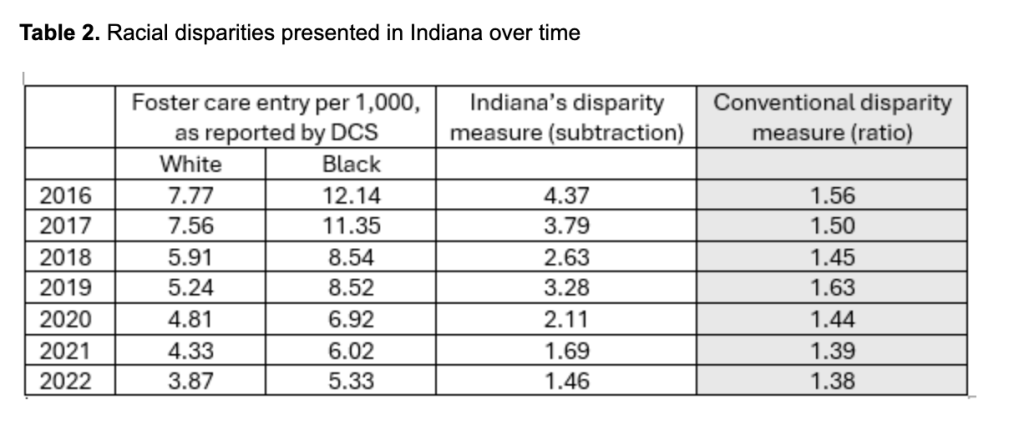




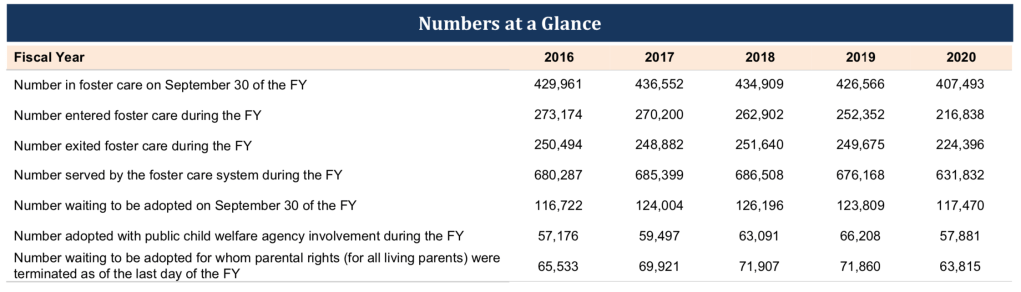
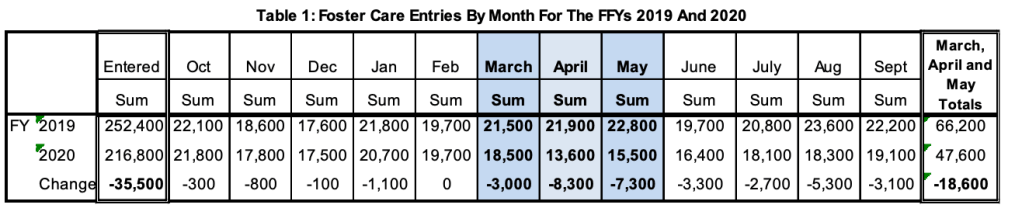




 Child Welfare Monitor