At least 1,800 children die from abuse and neglect every year, and the total is probably considerably greater. Between a third and a half of these deaths may involve families that were already known to Child Protective Services (CPS) through previous reports of maltreatment. In addition, an unknown number of children are severely injured due to maltreatment every year. Legislators, advocates, and the public need timely information about the circumstances leading to these events so they can identify policy and practice changes necessary to protect children. Decades ago, Congress recognized this need and required states to have a policy allowing for disclosure of information and findings about these tragic events. But due to the weakness of the requirement and the federal government’s lack of enforcement, only a few states make meaningful disclosures in the wake of these horrific events, as documented in a new report.
Federal Law and Policy Regarding Disclosure
In 1996, Congress amended the Child Abuse Prevention and Treatment Act (CAPTA) to ensure that information from child fatalities and near fatalities that are caused by abuse or neglect can be used to correct systemic problems and prevent future occurrences. This provision —42 U.S.C. 5106a(b)(2)(A)(x)—requires that “every state’s plan for spending CAPTA funds contain “an assurance in the form of a certification by the Governor of the State that the State has in effect and is enforcing a State law, or has in effect and is operating a statewide program, relating to child abuse and neglect that includes . . . provisions which allow for public disclosure of the findings or information about the case of child abuse or neglect which has resulted in a child fatality or near fatality.”
This provision has many weaknesses, as described in more detail in a new report called Keeping the Public in the Dark: How Federal and State Laws and Policies Prevent Meaningful Disclosure about Child Maltreatment Fatalities and Near Fatalities, which was prepared for Lives Cut Short, a project to document and direct attention to child maltreatment fatalities. First, the provision requires only that the governor certify the existence of a disclosure requirement, not that it actually exist. Moreover, the language is so vague that it leaves all details to the individual jurisdictions. To make matters worse, the US Department of Health and Human Services (HHS) never wrote regulations to flesh out the vague statutory requirements. Instead, HHS provided guidance in the form of questions and answers in its Child Welfare Policy Manual (CWPM). The CWPM does not have the same force as federal regulations, but some states clearly pay attention to it and have mirrored it in their laws and policies.
Unfortunately the CWPM leaves many questions unanswered and even adds new ones. There are several federal confidentiality requirements embodied in different laws, and the CWPM does not explain the order of preference. Instead, different sections of the CWPM actually contradict each other, with one answer stating that the disclosure requirement trumps previously enacted confidentiality laws and several other answers reminding states to comply with existing confidentiality requirements. To make matters worse, revisions in 2012 introduced new opportunities to avoid disclosure, specifically letting states allow exceptions “in order to ensure the safety and well-being of the child, parents and family or when releasing the information would jeopardize a criminal investigation, interfere with the protection of those who report child abuse or neglect or harm the child or the child’s family.” The exception for “safety and well-being of the child, parents and family” completely undercuts the previous language in the CWPM.
The 2012 revision also included a list of the information and findings to be disclosed, which would have been extremely helpful had it not added a new opportunity to withhold certain information. Specifically, the CWPM (Section 2.1A.4, Question 8) prescribes that states must release:
“information describing any previous reports or child abuse or neglect investigations that are pertinent to the child abuse or neglect that led to the fatality or near fatality; the result of any such investigations; and the services provided by and actions of the State on behalf of the child that are pertinent to the child abuse or neglect that led to the fatality or near fatality.”
This language allows states to withhold information that is actually relevant to the question of whether and how a fatality or near fatality could have been prevented. For example, a state could decide a prior incident of neglect was irrelevant if the cause of death was abuse. But the same parent often perpetrates multiple types of maltreatment, especially chronically maltreating parents who have had multiple encounters with the child welfare system. A state’s decisive intervention in response to prior maltreatment may save a child from death or near-death by another form of maltreatment.
State Laws and Policies Regarding Disclosure
The report reviews state laws and policies governing disclosure of information and findings in cases where child maltreatment resulted in a child fatality or near fatality. The review shows that many state laws and policies fall far short of what is needed to ensure adequate public information about how child protections may have failed. The major findings include:
Despite the federal requirement, not every state has a policy for publicly disclosing findings or information about child fatalities and near fatalities. Out of the 50 states and the District of Columbia, four states appear to have no such policies. Another four states have a policy for fatalities but not near fatalities.
Among the 47 jurisdictions that do have laws or policies for disclosing maltreatment fatality and near-fatality information, only 35 require the release of findings and information about child maltreatment fatalities, and all but four of those require that of near fatalities as well. Twelve allow but do not require the release of findings and information about these incidents.
Many state laws and policies are vague, and many contain restrictions that violate the Congressional intent to make information about child maltreatment and agency operations publicly available.
Seventeen states have laws or policies that require releasing some information without request. These releases vary from a few basic facts on each incident to a comprehensive review of the victim’s family’s history with child welfare. Only nine issue notifications of fatalities or near fatalities that are suspected to be due to maltreatment.1 Without such notifications, the public may not even know an incident has occurred, so they certainly will not ask for information about it.
Recommendations
CAPTA should be amended to clarify the language regarding child fatalities and near fatalities due to maltreatment and establish parameters for states in interpreting the law. The new language should make clear that states must release findings and information about fatalities and near fatalities, and disclosure must be required rather than simply allowed. The law should prescribe the types of information that can be withheld and when disclosure can be postponed, and it should deny states the option of withholding other information or refusing to release information altogether. It should spell out the findings and information that must be released. It should clarify that the CAPTA language overrides other confidentiality provisions in federal law. It should also require that states notify the public of child fatalities and near fatalities that are reported to child abuse hotlines and accepted for investigation.
But recent attempts to reauthorize CAPTA have failed, and these changes seem unlikely in today’s ideological climate, where child safety often takes a back seat to other concerns. It is probably more realistic to focus on changes to state legislation. A good state disclosure policy, in compliance with CAPTA, should cover fatalities and near fatalities. It should be mandatory and contain no vague terms, conditions, or exceptions. Permitted redactions should be limited to the names of living children in the family and reporters of maltreatment and (temporarily) any information that would cause specific material harm to a criminal investigation. There should be no prohibition on sharing information deemed to be against the best interests of or harmful to the injured child or any other child in the household.
At a minimum, a disclosure policy should require prompt public notification of all fatalities and near fatalities reported to the hotline and accepted for investigation, along with a documented rationale for not investigating others. The notifications should include whether the family had past involvement with CPS and a brief summary of prior reports and responses by the agency. There should be no requirement that the historical information be “pertinent to the abuse or neglect that caused the fatality,” as suggested by the CWPM. Upon completion of the investigation, if it is determined that the fatality resulted from abuse or neglect, the department should be required to release a detailed summary of prior reports involving the family or household and of agency responses, including investigations, in-home cases, child removals, and family reunifications, The agency’s complete files on the perpetrators and their children, with certain identifying information redacted, should be available to any person upon request.
A study of the policies of 50 states and the District of Columbia toward disclosing information regarding child maltreatment fatalities and near fatalities shows that many fall drastically short of embodying Congress’s intent in adding Section 106(b)(2)(B)(x) to CAPTA. Most of these difficulties stem from the deficiencies of the language itself and the guidance provided in HHS’s CWPM. While changing CAPTA’s language would be the most efficient way to enable improvement around the country, it is more likely that legislators and child advocates at the state level will collaborate on legislation requiring full transparency around these deaths. We cannot make progress in preventing severe and life-threatening child maltreatment unless legislators, advocates, and the public can access comprehensive information about what led to these tragic events.
Rhode Island provides notifications of suspected maltreatment only for fatalities and near fatalities only if the child was the subject of an open case; other notifications occur only after maltreatment is confirmed. ↩︎
This post was prepared for and originally appeared on the website of Lives Cut Short, a project to document and analyze child maltreatment fatalities in the United States. See my interview with KUTV about this post here.
On October 10, the Utah Department of Children and Family Services (DCFS) finally released a statement summarizing its involvement with Gavin Peterson, who died on July 9, 2024 at the age of 12. Gavin’s father, stepmother, and older brother are awaiting trial on reckless child abuse homicide, among other charges. The much-awaited “CAPTA statement” from DCFS (named for the federal law requiring that states have a policy to disclose “information and findings” about child maltreatment fatalities and near fatalities) provided some new information but raised new questions, especially when contrasted with media accounts.
The DCFS statement begins with a disclaimer. Gavin came from a “two-household family” and was residing with his biological father, Shane Peterson, and father’s long-term girlfriend, Nichole Scott, at the time of his death. The agency explains that although it “worked with each household at several points in Gavin’s life as early as 2013,” the statement includes only “information relevant to Gavin in the household where his death occurred.” It is not clear from this disclaimer what information was withheld from the public, either because it was from the other household or because DCFS decided it was not “relevant to Gavin.”
Some of that information can be pieced together from media coverage. Gavin’s mother, Melanie Peterson, told a reporter at KSL TV that she lost custody of all four of herchildren in 2014 or 2015. Court documents obtained by the reporter showed that two-year–old Gavin was found unsupervised outside of his home in 2014, and that in the same year Melanie pleaded guilty to allowing a child to be exposed to illegal drugs or drug paraphernalia. Melanie told the reporter that she never regained custody of her children from the courts, but that Shane Peterson unofficially returned her third child to her in 2018 and her second child in 2019. (Her first child was apparently Tyler, who is charged in Gavin’s death, and Gavin was the fourth child.)
DCFS’ statement provides a chronology of abuse and neglect reports and agency responses, which are summarized below along with our commentary in italics.
May 28, 2019
The first report of abuse in Shane Peterson’s home is received. DCFS investigates and finds that Nichole Scott had physically abused another child in the home. The Peterson family accepts voluntary in-home services. After a month of services, DCFS concludes the safety concerns have been resolved and closes the case.
The “other child” was clearly Gavin’s sister Mayloni Peterson, now 19. She told KSL TV that she was abused even more severely than Gavin at the time, and was even punished for his actions. She described being beaten, tied to her bed, fed only once or twice a day, forced to perform labor in the household and at her grandmother’s house. She reported that Scott once shaved off all her hair as punishment for combing her hair without permission and strangled her in the car following a failed attempt to run away. On Saturday, May 25, 2019, Mayloni told her father that she accidentally broke a sprinkler while mowing the lawn. Her father took her to her mother’s house without warning and left her there, possibly saving her life. Melanie Peterson reported that Mayloni was malnourished and “with all her hair buzzed off.” After hearing what her daughter had been through, Melanie made a report to DCFS after the Memorial Day holiday–clearly the May 28, 2019 report. (Mayloni mentioned a report that was made by her school in March; it is not clear whether that report was omitted by DCFS because it was “not relevant to Gavin.”)
February 27, 2020
DCFS receives a call reporting abuse of Gavin in “another household.” DCFS finds Gavin to be a victim of abuse and files a court petition. On May 27, the court orders both households to participate in DCFS in-home services.
Melanie Peterson told KSL TV that she took a picture of an emaciated Gavin in February 2020. It would be the last time she saw him. She alleges that Nichole and Shane Peterson found out about the photo and made a false allegation about her, thereby ending her visitation rights pending a judgment by DCFS. That “false complaint” was likely the February 27, 2020 report, which resulted in an open case for both households.
August 24, 2020
While the two households are receiving in-home services, DCFS receives a call reporting concerns about Gavin’s treatment in his father’s home. The information does not “meet the criteria required by Utah state law to open an investigation,” but the intake worker shares the information with the in-home caseworker.
May 21, 2021
The “Peterson family” successfully completes” in-home services, and the judge closes the case. No information is provided about what these services were.
September 2, 2022
DCFS receives a report from “someone concerned about Gavin’s well-being, after observing some of his behaviors.” The hotline worker decides the report does not meet the legal criteria for opening an investigation. A supervisor approves this decision.
This report most likely came from Gavin’s school, and his “behaviors” included eating food from the trash. Cafeteria worker Rachel Reynolds told KSL TV that she suspected Gavin was hungry even before the school’s COVID-19-era free meal program ended in August 2022 and Gavin began taking leftovers from the trash. Her colleague Jan Davis said that she and a coworker began paying for Gavin’s lunch. That ended when Nichole Scott demanded they stop buying his lunch. But the workers continued to “sneak food” to him, according to Reynolds.
March 28, 2023
DCFS receives a report regarding physical neglect of Gavin and opens an investigation. Two days later, DCFS receives another report, which is added to the open investigation. Gavin is interviewed at school without his parents and does not disclose abuse. On May 8, 2023, DCFS receives a third report alleging physical abuse of Gavin. The investigator visits the home for a second time, interviews the adults and interviews Gavin outside the presence of the alleged abusers. The case is closed on May 15 with no finding of abuse or neglect.
These three reports likely came from the school.The school district reported the school made “multiple calls” about Gavin, and Rachel Reynolds said that at least four calls were made by cafeteria workers and the principal. Reynolds personally observed the nurse and school principal call DCFS when she brought Gavin to the nurse with fingers that looked swollen and infected from picking. Jan Davis mentioned that Gavin came to school with a chipped tooth shortly after Nichole Scott learned that cafeteria staff were feeding Gavin. Perhaps that accounted for the abuse allegation.
In August 2023, Gavin was withdrawn from school for schooling at home. There are no more reports until July 29, 2024. Utah has no policy in place for monitoring children withdrawn from school following allegations of abuse or neglect,
July 9, 2024
DCF receives a report that Gavin is in the emergency room with injuries that appeared to be the result of abuse or neglect. He dies the same day.
The police investigation into Gavin’s death has revealed that Gavin was abused for years, was kept locked in an uncarpeted room without bedding or blankets while adults monitored him with multiple cameras, and was often beaten or starved, sometimes given only bread and mustard to eat. Nichole Scott, Shane Peterson, and Tyler Peterson were arrested and charged with child abuse homicide, aggravated child abuse, and endangerment of a child, and are awaiting trial. Gavin’s treatment can be defined as torture, a type of child abuse that some have observed may be increasing in Utah and around the country. These cases often include confinement, starvation, beating, and isolation.
Unanswered Questions
Utah’s report on Gavin Peterson’s death, when compared with the media accounts from Gavin’s mother, sister, and school staff, raises more questions than it answers.
The May 28, 2019 report: The allegations that Mayloni made to her mother, who presumably included them in her May 28, 2019 report, concerned multiple reports of physical abuse, confinement, and forced labor. Both children should have had a physical exam and a forensic interview. How is it possible that allegations of this magnitude (that turned out to be true) resulted in a case that was closed in a month and that was also described as “voluntary”?
The February 2020 report: This report about the abuse of Gavin in another household is clearly the “false allegation” stemming from his mother’s photograph of an emaciated Gavin. How did that result in a substantiation against her for abuse? The case was open for more than a year during the height of the COVID-19 pandemic. Were the visits virtual? Does that explain why the caseworker observed nothing of concern? Why did Melanie never get her visitation rights back after the case was closed?
The August 24, 2020 report: What concerns were raised and why did they not meet the criteria to open an investigation? Was this report really shared with the in-home worker and did that worker try to determine whether they were true?
The September 2022 report: How was this report, obviously from the school and conveying that Gavin was seeking food in the trash, not judged to meet the legal criteria for an investigation, even by a supervisor?
The reports in March and May of 2023: Why did the investigation conducted from March to May 2023 fail to find the abuse of Gavin, which was so obvious to school personnel? Wasn’t Gavin very thin? Shouldn’t he have received a physical examination? If he denied the abuse, was the investigator unaware that is what scared children do? Was there any discussion of taking him to a Child Advocacy Center for a forensic interview?
Key Takeaways
The first major takeaway of this report is that Utah’s CAPTA report does not tell us whether DCFS did all that it could do to protect Gavin. The information shared in the report complies with state policy, which in turn complies with the very vague requirements of federal law. But much more detail is needed including documentation of the reasoning behind rejecting certain reports as worthy of investigation, the entire record of each investigation including interviews and documents, and a report of every interaction with the family during the in-home case. A few states post “critical incident reviews” for some death and near fatality cases. But such reviews are expensive, not all cases get reviewed, and internal reviewers may be biased on behalf of the agency. The only way to ensure accountability and inform needed changes is to release the full case file on the family, with certain names redacted,1 for at least the five years preceding the fatal or near fatal event.
The second major takeaway is that in spite of the lack of detail, the information provided strongly suggests that the problems in this home were longstanding and there were many opportunities for DCFS to discover them. It appears that systemic issues prevented the diagnosis of issues that should have been obvious. A former DCFS caseworker told KUTV that she left the agency “after struggling with overwhelming caseloads and a culture of simply ‘checking boxes.” She explained that while cases demanding immediate action are usually addressed, other cases showing red flags are dismissed too soon as “safe enough.” She placed primary blame on the legislature for not allocating adequate resources, saying that workers want to do their jobs, but they are being placed in impossible situations. “It’s unfair to put them in these situations where they don’t have the time to produce quality work, or if they do decide to put in the time, they’re sacrificing so much.”
The third major takeaway is that Gavin’s fate was sealed once he was withdrawn from school and the reports stopped coming in. In its Make Homeschool Safe Act, the Coalition for Responsible Home Education proposes that a child cannot be withdrawn from school for homeschooling within three years of being investigated for abuse or neglect, regardless of the outcome, unless there is a risk assessment by social services or child welfare that finds that the child will not be endangered by being schooled at home, and the home educator agrees to a monthly risk assessment for the next 12 months.
Gavin Peterson was failed by the agency that was meant to protect him, A few children suffering similar torture have been lucky enough to escape to safety, like the boy who escaped from the home of parenting youtuber Ruby Franke and saved himself and his sister from likely death. But most children in these situations have no recourse unless the people being paid to protect them have the time, training, support and resources to investigate fully and respond appropriately. To ensure that happens, the public must have access to the complete records of cases in which the system has failed.
For example, the names of children and people who reported maltreatment. ↩︎
This essay was originally published on the website of Lives Cut Short, a project to document child maltreatment deaths in the United States since 2022, for which I serve as Senior Project Associate
Jahmeik Modlin was found in a skeletal condition in a Harlem apartment stocked with food. He died the next day, and his three older siblings were hospitalized with severe malnutrition. The family had been on the radar of the Administration for Children’s Services (ACS) since 2019, before Jahmeik was born. But the agency closed its last case with the family in 2022 after determining that the children were safe, a source told the New York Times. A spokeswoman for ACS declined to offer further information, citing state law designed to protect siblings of fatal abuse victims.
According to data states submit to the federal government, about 1800 children die of abuse and neglect every year, but this figure is widely recognized to be an undercount. Among those deaths, studies suggest that between a third and a half involve families who were already known to the child protection system (CPS) through previous reports. Even in other cases where the family had no prior contact with CPS, other systems may have interacted with the child and perhaps could have intervened. Legislators, advocates and the public must have access to timely information about the circumstances leading up to child maltreatment fatalities so they can identify missed opportunities and policy and practice changes necessary to protect children. For that reason, Congress in 1996 added a provision in federal law that requires all states to provide assurances to the federal Department of Health and Human Services that they have provisions for disclosing findings and information regarding child fatalities and near fatalities from maltreatment.
Lives Cut Short surveyed state laws and policies governing access to information about child maltreatment fatalities and near fatalities. The resulting report, Keeping the Public in the Dark: How Federal and State Laws and Policies Prevent Meaningful Disclosure about Child Maltreatment Fatalities and Near Fatalities, shows that most states have such laws and practices but many of them are vague, and many have provisions that conflict with the purpose of ensuring public access to critical information. Among such provisions are those that prohibit releasing information that might harm surviving children in the families where a child was killed or seriously injured by maltreatment.
New York, at first glance, appears to be more transparent than most states in making information and findings about child maltreatment fatalities available to the public. The New York State Office of Children and Family Services (OCFS), which supervises local agencies such as ACS, is required to review all local investigations of child fatalities reported to the State Central Register and to publish a summary report within six months of the investigation. Disclosure of this information, however, occurs only if the state or local commissioner determines that it is not “contrary to the best interests of the child, the child’s siblings or other children in the household.” While the law does not provide a comprehensive definition of “contrary to the best interests,” the OCFS website does explain that OCFS conducts what it calls a “best interests determination,” sometimes assisted by “experts” from the agency’s Statewide Child Fatality Review Team. The process considers “whether publishing a fatality report is contrary to the best interests of a child’s siblings or other children in the household, what effects publication may have on the privacy of children and family, and any potentially detrimental effects publication may have on reuniting and providing services to a family.”
To understand the impact of the “best interests” determination, one needs to know the proportion of child fatalities for which New York withholds reports. The identifying numbers that the state assigns to its child fatality reports provide a useful clue. All these numbers start with a two-letter abbreviation for the region (AL for Albany, BU for Buffalo, etc.), continue with the last two digits of the year, and end with a three-digit number, starting from 001. For example, the first Albany report for 2022 would be identified as AL-22-001. Assuming that all missing numbers represent reports withheld under the “best interests determination,” about one-quarter of reports on 2022 fatalities in New York State were withheld.
The Child Abuse and Neglect Deaths Integrated Database (CANDID), maintained by Lives Cut Short, allows us to determine which child deaths reported in the media had a corresponding fatality report released by New York OCFS. CANDID combines information on child maltreatment fatalities from media reports, official fatality reviews or reports, and other available sources. New York State’s fatality reports do not include names, but they do include the dates of death as well as details about the circumstances. Therefore, one can attempt to match media coverage with the OCFS review of the same fatality. But very few maltreatment deaths occurring in 2022 and covered by the media had an OCFS review released to the public. It appears that the reviews of high-profile deaths that received media coverage were withheld based on “best interest determinations.”
These cases included:
The death of Bryleigh Klino, a profoundly disabled 17-year-old whose parents have been charged with endangering her welfare. Hospital employees observed numerous signs of abuse and neglect on Bryleigh’s body;
The drowning of six-month-old Dalilah Crespo, whose death was ruled a homicide;
The death from abusive head trauma of four-month-old Cairo Dixon-Sanchez, for which his father pleaded guilty;
The fentanyl poisoning death of 11-month-old Liam Sauve, who ingested 23 times the amount of fentanyl that could kill an adult and whose mother pleaded guilty for his death;
The death of three-month old Genevieve Comager, whose father was charged with shaking her to death;
The beating death of nine-year-old Shalom Guifarro, whose mother has been sentenced to 16 years for her killing;
The death of two-year-old Ermias Taylor-Santiago of a fentanyl overdose, which was ruled a homicide;
The death of blunt force trauma of Xavier Johnson, whose mother’s boyfriend was charged with beating him to death;
The fatal heroin overdose death of six-month-old Denny Robinson, found with a heroin bag in his mouth in a house that was connected with a major drug trafficking operation;
The drug and alcohol poisoning of 14-year-old Hailey Hasbrouck, allegedly by her father and his girlfriend, who allegedly gave her the “toxic cocktail;”
The “suspicious” death of seven-year-old Hunter DeGroat, found unresponsive in his home;
The death of two-year-old Aniyah Wyatt-Wright, allegedly punched to death by her father;
The murder of three-year-old Shaquan Butler, beaten to death in a Queens homeless shelter after being reunified with his parents after being removed from them by ACS.
It is probably not a coincidence that OCFS has elected not to release information on most of the egregious fatalities that were covered in the media. Many of the published state fatality reviews concern deaths due to unsafe sleep factors, accidental drownings, and other fatalities that do not result in criminal charges and are therefore never known to the public. It is possible that OCFS is trying to shield the surviving children in the cases listed above because readers may be able to identify them by putting together the reports and the media coverage—as we did. But these are the very cases for which the information is most urgently needed. The nature of these cases suggests the existence of serious and chronic conditions that might have resulted in previous reports and involvement with CPS. Any harm that public release of the report would cause when the incident has already been covered in the media is dubious. It’s hard to avoid wondering if the exclusion of these cases from disclosure protects the agency more than the children. And to avoid guessing that Jahmeik’s death will join the list of those cases for which reports are never published.
We cannot make progress in the prevention of severe and life-threatening child maltreatment unless legislators, advocates and the public have access to comprehensive information about what led up to these tragic events. Congress tried to provide this access through a provision in federal legislation, but states have couched this requirement in vague language or hedged it with qualifications that prevent the release of critical information—or any information at all in some cases—as in New York. Only Congress can fix the gaps in the federal law, but state legislatures can act in the meantime to ensure their disclosure laws serve the purpose of improving child welfare in their states.
Year after year, states and the federal government continue to release annual data showing a decline in the number of children in foster care, congratulating themselves on keeping families together. They seem to have forgotten that reductions in foster care were supposed to be accompanied by increased services so that children could be safely maintained at home. Unfortunately, there seems to be little to no interest on the part of the federal Children’s Bureau, Members of Congress, advocates, or the media in whether such services are actually being provided.
The newest report from the Adoption and Foster Care Analysis and Reporting System (AFCARS) showed that the number of children in foster care dropped to 368,530 on September in 2022–a drop of 5.8 percent over the previous year 15.6 percent since 2018. “We are encouraged by the continued decrease in the number of children entering foster care and staying in foster care and we will continue working with our state, tribal and territorial partners to ensure an emphasis on family well-being and safe family reunification,” said Jeff Hild, the Principal Deputy Assistant Secretary of the Administration on Children and Families (ACF) in a press release heralding the new numbers. ACF gave credit to the Family First Prevention Services Act (FFPSA), which “helped change the conversation to be about prevention of foster care placements and preservation of families.”
It seems premature to celebrate the shrinkage of the foster care rolls as a triumph without knowing what is happening to the children remaining at home who would have been removed in a different year. How many of these children are living with abuse or neglect that will leave lasting scars or impair their development, if not endanger their lives? Supporters of the Family First Prevention Services Act (FFPSA), which passed in 2018, said that declining foster care counts would result from providing support to parents who needed help to address the problems (like substance abuse, mental illness and poor parenting skills) that led to their maltreatment of their children.
After an allegation of abuse or neglect is substantiated, an agency can place a child in foster care or open a case for in-home services, among other options.1 FFPSA made it possible to use the same federal funds for foster care and in-home services, allowing children to stay at home safely while their parents addressed the issues that put them at risk. A major purpose of FFPSA was to enable states to use federal funds that were formerly available only for foster care to pay for parenting support, mental health, and drug treatment that would enable children to stay safely with their families. The rationale for this change was that allowing foster care funds to be used for such services was necessary to enable states to keep kids out of foster care.
However, FFPSA has not made massive federal resources available for such services. ACF estimates that only 18,400 children in the entire country were served by Title IV-E prevention services programs in FY 2023, at a cost of $167 million. But perhaps states are using their own funds to pay for these services? After all, foster care is more expensive than services provided to families in their homes. Both require case management, but instead of the cost of room and board for foster youth, providing in-home services usually involve referring parents to mental health and drug treatment services often funded by Medicaid or paying for parenting support programs that cost less than foster care. (Of course the supporters of FFPSA ignored this basic fact and claimed the legislation would revolutionize child welfare!). States were already providing these services before FFPSA and they could have increased them without the promised federal funding.
But believe it or not, nobody knows if more children and their families are receiving in-home services as the foster care rolls decline, since the federal government doesn’t ask states for this information. While states were already required to report the number of children entering foster care, leaving it, and in care at a point in time, FFPSA did not add a requirement to provide the same data on services provided to children and families in their homes, now that they were also covered by federal Title IV-E funds.2 Hoping some states might track this data of their own accord, I searched the data publications and dashboards on the websites of the ten states with the largest number of children in foster care according to the most recent AFCARS report,3 but I was able to obtain this data for only California and Texas.
California has by far more children in foster care than any other state, 45,924 children at the end of September, 2022, which was 12.4 percent of the national total. Fortunately, there is extraordinarily good data from the California Child Welfare Indicators Project (CCWIP), a collaboration between University of California at Berkeley and the California Department of Social Services. The CCWIP dashboards include data on the number of entries into foster care and the opening of Family Maintenance cases, as in-home cases are called in California. Entries into foster care declined precipitously from April 2019 to March 2020 and continued declining, though more slowly, through March 2024. Family Maintenance case openings also declined continuously throughout the period. Thus, there was no increase in Family Maintenance case openings to compensate for the decline in removals. Or put in a different way, the total number of cases opened for child welfare services dropped from 46,264 at the beginning of the period to 29,969 at the end–a drop of 35 percent. Rather than a shift from foster care to in-home services, there has been a shrinkage of children reached by child welfare services overall.
Texas has the third largest state foster care caseload, after Florida. The Texas data are a bit more confusing. The number of children entering foster care dropped from 16,028 in 2021 to 9,623 in 2022, an incredible 40 percent, while the number of children entering in-home services declined steeply as well, resulting in a 35.7 percent drop in all case openings. Both drops may well have been related to a new Texas law that took effect on September 1, 2021 and changed the definition of neglect to an action or lack of action that puts a child in “immediate danger” of harm, rather than “substantial risk” of harm as the previous language read. The bill also put restrictions on child removals, requiring that children can be removed only from parents who display “blatant disregard” for their actions, or whose inaction “results in harm to the child or creates an immediate danger to the child’s physical health or safety.” Interestingly, in 2022, foster care entries actually rose slightly in Texas, while family preservation entries sprung back to where they were in FY2021, resulting a substantial increase in total case openings that year. Nevertheless, the overall trend over time was a decrease in foster care entries, family preservation case openings and the total number of children receiving help through open in-home or out-of home cases. That total dropped from 72,181 to 48,619 over five years–a drop of 32.6 percent–almost the same as the drop in California’s child welfare case openings.
Florida, the state with the second largest number of children in foster care, reports on the numbers of children entering foster care but not on the number entering in-home cases. One can, however, compare the number of children in foster care at a point in time with the number of children and young adults receiving in-home services. Both numbers have been decreasing and the number of children receiving in-home services has been consistently about half of the number of children in foster care. But these numbers don’t tell us whether declining entries to foster care have been offset by increasing entries to in-home services. In general, foster care cases last longer than in-home cases. Not knowing the average length of stays in foster care and in-home cases, and how they have changed over time, one cannot tell whether in-home case openings have made up for the reduced number of entries into foster care.
The Florida data show why point-in-time data cannot be used to answer the question of whether the decline in foster care entries has been accompanied by a rise in in-home case openings. Unfortunately, none of the other eight states with the highest caseloads provide this data on their websites. Illinois and Indiana provide point-in-time data on foster care and in-home participants. The other five states with the largest caseloads–Ohio, New York, Pennsylvania, Arizona, and North Carolina–display no data on in-home case participants at all.
If California and Texas are typical, states have not been increasing their provision of in-home services to make up for declines in foster care. Instead, the total number of abused and neglected children being helped by in-home or out-of-home services (or foster care) has declined by as much as a third in five years. But we cannot assume that California and Texas represent the entire nation. It is unfortunate that the writers of FFPSA did not requiring states to include data on in-home case openings and total caseloads, given that the legislation allowed federal funds to be used for this purpose. States have not begun tracking and reporting on this data on their own, and are triumphantly proclaiming the drop in foster care without even reporting on whether in-home services are being provided instead. When Congress considers desperately-needed fixes to FFPSA, a requirement that states report in-home case data analogous to the foster care data in the AFCARS system should be included in the new legislation.
Notes
Other options include referring a family to a community provider or even doing nothing nothing if the abuse or neglect was assumed to be a one-time event unlikely to occur. The family may also refuse in-home services, and the agency would then have to decide whether to file a court petition to require such services ↩︎
States must provide to National Child Abuse and Neglect Data System (NCANDS) information on how many children receive “postresponse services,” meaning services after a child protection investigation. But unfortunately, “postresponse services” includes foster care and provides a duplicated count, counting children every time they are the subject of an investigation, so it is not useful in telling us how many children receive in-home services. ↩︎
State foster care data can be accessed from https://www.acf.hhs.gov/cb/report/trends-foster-care-adoption. According to the latest information, the ten states with the largest number of children in foster care on September 30, 2022 were California, Florida, Texas, Illinois, Ohio, New York, Missouri, Pennsyhlvania, Arizona, and Indiana. ↩︎
I am honored to publish this essay from Christina Faucett. Christina has been a licensed foster parent in the state of Washington for six years and has adopted one child from the foster care system. Prior to becoming a foster parent, she was a CASA for three years. She is currently a member of the DCYF Parental Advisory Group and is passionate about fixing what is broken in our child welfare system to keep Washington kids safe. She lives in the Seattle area with her husband and daughter. You can follow her on X at @DCYFWAtch.
In 2023, the Washington State Department of Children, Youth, and Families (DCYF) completely rewrote their Caregiver Report to Court form. This form is the only voice foster parents have in the dependency process, since they are not parties to the case, and thus are not entitled to receive legal counsel, file motions, read pleadings, or speak in court unless called on by the judge. Given this, one might expect that changes to the caregiver report form would by preceded by extensive communication and feedback from caregivers as part of the editing process. This did not happen.
I first became aware of these changes in the fall of 2023 when I was provided the new form to submit in my foster child’s dependency case. I then reached out to connections I had in DCYF to ask how these changes had come about, and who had participated in the process of editing the form. After being stonewalled by DCYF employees, I submitted a Freedom of Information Act (FOIA) request, the results of which I finally received a couple of weeks ago.
My FOIA response revealed that the committee convened by DCYF to make the changes to the caregiver report to court included only one caregiver. However, it included three representatives of birth parents, including one former birth parent who had a child in foster care, a parent attorney and a social worker from the Office of Public Defense (which represents and provides assistance and advocacy for birth parents in dependency cases), along with other court and DCYF employees, and one CASA representative. At no point were caregivers informed of this committee’s existence, invited to participate on the committee, or asked to give feedback on the committee’s proposed changes.
The only foster parent representative on the committee works with Amara’s Family Connections Program, which encourages foster parents to maintain relationships with biological parents. Although this foster parent is a representative for what is called the “1624 Consultation Team” (named for the bill that created the group), which is a group of elected foster parent representatives who are supposed to raise the questions and concerns of foster parents in meetings with DCYF, no other 1624 representatives appear to have been informed of the pending changes. The Foster Parent Association of Washington also does not appear to have been informed of the pending changes. An August 2, 2023 post to their website states, “This seems to have been a sudden change and not everyone in the system is aware of it.”
Adding to the confusion, DCYF released two different Caregiver Report to Court forms, a long form and a short form. However, the forms have some completely different questions. For example, “Are you maintaining open and viable communication with the child’s biological parent?” is only included in the short form, not the long form. Even after an entire year of work on this by the committee, the reports still have numerous typos and errors. The new report was released with instructions that caregivers could submit it to the child’s CASA, not just their social worker, even though the CASA program in some counties did not want this responsibility and refused to submit the forms to the court on behalf of caregivers.
While not all of the changes to the caregiver report form are bad, a quick look makes it clear that DCYF is trying to limit input from foster parents to information that supports reunification, while simultaneously diminishing their opportunity to highlight their own relationship with the child (whom they may have raised for years, possibly from birth).
Some examples of changes:
A question soliciting caregivers’ thoughts on the Department’s case plan has been replaced with a question asking “Do you have any additional information that may help reunite the child or youth successfully with their biological family?”
A general question about how the child’s visits with parents are going has been replaced with, “What’s working well with family time? Explain.”
Other changes imply that caregivers have obligations they do not have. For example: “How have you included the parents of the child in the medical and dental appointments?” It is the social worker’s responsibility, not the caregiver’s, to inform parents of medical/dental appointments. The communication question mentioned above likewise implies that caregivers have an obligation to communicate directly with biological parents. Caregivers may have many legitimate reasons (including privacy and safety reasons) not to communicate directly with birth parents.
The old form had two questions about the child’s relationship with the caregiver and adjustment to living in the caregiver’s home. On the new long form these questions have been replaced with one question which is relegated to the bottom of the form under “additional information.” The short form doesn’t even ask caregivers about their relationship with the child living in their home; it only asks about the child’s behavior in the home. A question asking caregivers to “Describe child or youth’s interactions with positive adults (i.e., coaches, teachers, church, mentors, other relatives)” is given higher billing on the long form than the questions about their relationship with their primary caregiver.
DCYF has lost around 800 licensed foster homes since 2019, and since their six-month pause on issuing all new foster parent licenses from November 2022, to April 2023, the number of unfilled emergent placement needs has skyrocketed. If DCYF wants to achieve their goal of eliminating short-term stays for foster children and youth in offices and hotel rooms by December 2024, they need to start treating caregivers with the respect they deserve, not trying to further stifle their voices.
To my readers: This blog summarizes a report that is the culmination of nine months of work. It is part of my advocacy for children in the District of Columbia, which I share in my blog, Child Welfare Monitor DC. But I think this post and the underlying report will be of interest to child advocates, policymakers and researchers around the country because the findings and issues discussedare widely applicable.
“We are not here to save children.” That is what I was told on the first day of my training as a child protective services worker at the District of Columbia’s Child and Family Services Agency (CFSA). And indeed, the District is on the cutting edge of the current movement in child welfare around the country that considers child protective services as a “family policing system” that unnecessarily harasses and separates families, especially families of color. The problem with this perspective is that some families do not provide a safe environment for children to grow and develop. In some of these families, children die. That is what happened to the 16 children whose cases are discussed in a new report, which is summarized in this post. And indeed, analysis of the limited information provided suggests that CFSA did not take advantage of the opportunities it had to protect children even after long histories of CFSA involvement in their families. As a result, three children were beaten to death, three more were poisoned by opioids, and others died of burns, a car accident, and unknown causes when the deaths might have been preventable if the agency had been more protective.
When a child dies of abuse or neglect after that child’s family has been on the radar of the agency designed to protect children, it is important for the public to know whether and how this death could have been avoided. The essential question is whether the agency could have prevented the death by doing something differently. Did staff miss any red flags, and therefore fail to take action when necessary? If the death was preventable, what factors must be remedied in order to prevent such failures in the future? It is not enough for the agency itself to have access to this information, or to have an internal team review it. Agencies can fail to learn from their mistakes when they are blinded by ideology, self-interest or just inertia.
For those reasons, federal law requires every state to have a law or program that includes “provisions which allow for public disclosure of the findings or information about the case of child abuse or neglect which has resulted in a child fatality or near fatality.” In compliance with this requirement, DC Code requires the Mayor or the Director of CFSA, upon written request or on their own initiative, to provide findings and information related to “[t]he death of a child where the Chief Medical Examiner cannot rule out child abuse, neglect, or maltreatment as contributing to the cause of death.” In March 2023, we requested such findings and information for all the fatalities that met the criteria and were reviewed by CFSA’s internal fatality review team between 2019 and 2021. It took more than six months of meetings and emails to receive the information that is presented in this report. We agreed to restrict our request to cases reviewed in 2019, 2020 and 2021 and to withdraw our request for information on near-fatalities, which CFSA only began tracking in October, 2022.
Not surprisingly, CFSA interpreted the disclosure requirements in a way that restricted the information provided as much as possible. If a medical examiner did not rule the manner of death to be an abuse or neglect homicide or “undetermined,” no information was provided. Therefore, the agency did not release any information on cases where the manner of death was labeled as accidental, even if it found a parent responsible for the death or removed the children. The “accidental” deaths for which information was not provided included one child who died after he was left in a baby swing for two hours, which most ordinary people would consider to be neglect. The death of seven-week-old Kyon Jones, whose mother told police that she threw his body in a dumpster after she rolled over him while high on PCP, was not included because his body was never found and therefore it did not meet the criteria for release of the information–even though CFSA removed the surviving children from their mother.*
In addition to omitting some cases in which neglect or abuse played a role, CFSA heavily redacted the information it did provide, with many pages and large portions of others blacked out. CFSA refused to provide the names of the children, parents and caregivers, providing a rather convoluted interpretation of DC Code, which clearly requires the release of this information. (See the full report for more information about their reasoning). In three cases, the child’s identity was clear from media coverage of the case, and we used the child’s name. A major source of redactions was the exclusion of “personal or private information unrelated to the child fatality.” It appears that CFSA’s legal team interpreted this term much more broadly than a social worker or researcher would, because they redacted almost all information about parents’ history of criminal activity, substance abuse, mental illness, and domestic violence–which are obviously relevant to many of the fatalities we are discussing.
On investigations, it is unfortunate that DC Code requires that the agency release only ”a description of the conduct of the most recent investigation or assessment” rather than all investigations regarding the family in question. It appears that the agency interpreted “the most recent investigation” as the fatality investigation itself rather than the most recent investigation before the fatality, but the law ought to require a description of all previous investigations. The agency also disregarded language that requires it to provide “the basis for any finding of either abuse or neglect.”
For most cases, we received very little information aside from a list of the previous referrals (reports to the CPS hotline) including only the date of the report, the allegation category and the disposition; an account of in-home and foster care case activities for the families that had such cases; and an account of the investigation of the fatality itself. The information about the parents was heavily redacted, and almost the entire history of agency involvement was blacked out in most cases. Despite the limited information provided, the redacted summaries included some new information, some of which was startling and disturbing. The report is based on the 16 case summaries provided by CFSA, occasionally supplemented with information from the agency’s annual fatality reports, which are available to the public. These cases affected 15 families, as one family had two fatalities in one year. Unless otherwise noted, the information is based on the case summaries. The full report, from which this blog is excerpted, contains summaries of each case.
Cause and Manner of Death
CFSA classifies child deaths by cause and manner. “Cause of death” is the specific disease or injury that led to the death. Manner of death refers to the circumstances that caused the death, and falls into five categories: natural, accidental, suicide, homicide, and undetermined. Of the 16 cases for which information was provided by CFSA, three (19 percent) were abuse homicides, six (37 percent) were neglect homicides, and seven (44 percent) were undetermined in manner. The latter were the cases for which CFSA provided information because the Medical Examiner was unable to rule out child abuse or neglect homicide as the manner of death.
The most common causes of death were blunt-force trauma and opioid poisoning, each claiming the lives of three children, as shown in figure below. The remaining children died from a variety of causes, including drowning, asphyxia, thermal and scald injuries, injuries from a car accident, and unknown causes.
Abuse deaths: Blunt Force Trauma
Three of the children died of blunt force trauma–one of the two most common causes of death in the sample. The murders of two of these children – Makenzie Anderson and Gabriel Eason – – became known to the horrified public through press coverage of their deaths in February and April of 2020. Each of them died from head trauma inflicted by a parent or stepparent. Makenzie suffered from multiple contusions to the face and head, skull fractures, and other injuries, and her mother pleaded guilty to manslaughter, receiving a ten-year prison term with seven years suspended on the condition that she obtain mental health treatment and have no unsupervised contact with children. Gabriel’s autopsy found abrasions and contusions to the head, face and torso; contusions to the heart and thymus gland; liver and kidney laceration; new and healing fractured ribs; and a brain hematoma. His stepfather was sentenced to 12 years and eight months in prison and his mother, who did not seek medical help for Gabriel or his critically-injured three-year-old brother, was sentenced to four years of probation and three years of supervised release.
But there was a third homicide by blunt force trauma. A three-year-old girl died of trauma to the abdomen in the home of an aunt where she was placed by CFSA after being removed from her drug-addicted mother. Her injuries included contusions to the forehead and abdomen, a lacerated liver, and blood in the abdominal cavity. No charges were filed against either the aunt or her boyfriend, and the case received almost no public attention.
Neglect deaths: Opioid Poisoning and other causes
Three children (a three-year-old girl, a three-year-old boy, and a three-month-old girl) died of synthetic opioid toxicity, with fentanyl implicated in all three deaths. (One of the children had also ingested a controlled substance called eutylone.) There is no information about how the children might have ingested the drugs, but all lived with parents who were known or alleged to abuse substances. These deaths never became known to the public, which is not surprising since it appears that none of the parents were arrested or charged.
A 17-month-old boy died of “complications of thermal and scald injuries,” and his mother told the investigator that she had no idea how it happened or how he ended up face-down in the bathtub several hours later. A seven-year-old died of injuries from a car accident. His mother was a long-time substance abuser and was arrested for Driving Under the Influence (DUI) in the accident. She was driving from Florida to Washington and her children were not sitting in car seats or belted in. A five-month-old boy died of asphyxia by drowning after being left alone in the bathtub with a one-year-old sibling while their mother searched for her car keys.
Deaths for Which the Manner was Undetermined
Two deaths has known causes but the manner – whether abuse or neglect or something else – was not determined. A twelve-year-old girl with asthma died of an untreated bacterial infection and pneumonia but also had enough bruising from two separate beatings in the previous two days to support a CFSA substantiation of the mother for physical abuse. It is unclear why this was not considered a medical neglect homicide. A ten-month-old girl died of asphyxia but the manner of death was undetermined. Her mother had left her in the care of her father and returned to find her unresponsive.
The cause as well as the manner of death was unknown or undetermined in five cases. These included an 18-month-old boy with a subdural hematoma, which could have been caused by abuse or a fall, an 11-month-old girl whose mother reported leaving her unsupervised on her stomach with a bottle in her mouth for about 40 minutes, a nine-month-old boy put to bed with a bottle and found face-down on a pillow; a two-month-old girl who died while sleeping with her mother, and a three-month-old girl found unresponsive by her parents one morning. Unsafe sleep practices may have contributed to some of these deaths, but other unsafe sleep fatalities were categorized as accidents, for which case summaries were not provided.
Demographics
A quarter of the children who died were younger than six months old and half of them were one-year-old or younger. Another quarter were two or three. This is not surprising as young children are more vulnerable and similar results are found nationally. But older children were not invulnerable to abuse or neglect, including the seven-year-old who died in a car accident and the 12-year-old who died of an untreated bacterial infection and pneumonia.
Fifteen of the decedents were African American and one was classified as “African-biracial.” According to the latest data from Kids Count, 54 percent of children in the District of Columbia are Black. So Black children were overrepresented among the children who died of maltreatment or possible maltreatment. The overrepresentation of Black children among children who died points to Black children’s particular need for protection. And it suggests that current emphasis in the District and around the country on reducing the involvement of Black families in child welfare may cause more suffering and more deaths among Black children.
The prevalence of large families among those that lost a child due to abuse or neglect is striking. More than two thirds of the mothers of children who died by maltreatment had four or more children. The average mother in the group had 4.6 children, often with more than one father.
Histories of System Involvement
All the families had been the subject of at least one report to the CFSA hotline before the fatality, or else they would not be included in this report. But many of the families that lost a child had experienced a large number of reports prior to the fatality. Among the 16 fatalities included in this report, only six occurred in families that were the subject of five reports or fewer in the last five years. Five occurred in families that had between six and 10 reports, three occurred in families with 10 to 15 reports, and one family had 24 reports. Three of the families had actually experienced a previous child fatality–a shocking statistic considering the rarity of child fatalities overall.
The families of the two children – Makenzie Anderson and Gabriel Eason – whose abuse homicides shocked the District of Columbia in February and April 2020 were both known to CFSA before the deaths, and the last report to the hotline came five months before the fatalities of both children. Makenzie Anderson’s family was reported to the hotline eight times within five years of her death. The last report alleged exposure to unsafe living conditions, inadequate supervision, and substance abuse by a parent, caregiver, or guardian. All those allegations were unfounded (not confirmed) by CFSA. Gabriel Eason’s family was the subject of 17 prior calls to the hotline since 2012, including 12 in the five years preceding Gabriel’s death. The most recent report was for unexplained physical injury in October 2019 and was also unfounded by CFSA.
Substance abuse by the parent or caregiver was the most frequent allegation CFSA received regarding the families in the five years before the deaths, with 30 substance abuse allegations collectively accumulated by the families of the 16 dead children during that period. Another eight reports concerned positive toxicity of a newborn, a reflection of parental substance abuse. Substance abuse by the parents was observed or alleged in the families of all but four of the victims included in this report. Inadequate supervision was the second most common allegation, with 25 allegations concerning the 15 families. Almost as common was educational neglect, referring to children with excessive school absences, with 24 allegations received in the five years preceding the fatality. Ten of the 15 families had at least one report for educational neglect before the child’s death. Another major theme was exposure to domestic violence, with 17 allegations received by the families. Domestic violence was mentioned in nine of the 16 case histories as the subject of an allegation or in notes from social workers or police.
Most of these families could be described as “chronically neglectful.” According to the Child Welfare Information Gateway, “Chronic child neglect occurs when a caregiver repeatedly fails to meet a child’s basic physical, developmental, and/or emotional needs. Chronic neglect can have long-term, negative consequences for child health and well-being.” Working with chronically neglectful families is especially difficult and requires special training and skills, which many CFSA social workers may lack. Perhaps that is one reason why they struggled so hard to engage some of these families. Four of the children died while an in-home case was open. Three out of four of the in-home case narratives from CFSA portray caregivers who evaded offers of help from CFSA and other providers and refused to cooperate with efforts to monitor conditions in their homes.
System Failures
The information received suggests several areas where failures in policy and practice by CFSA and other agencies may have allowed these deaths to happen. These areas include:
Screened out and unsubstantiated reports: Research points to the difficulty of determining correctly whether a child has been maltreated, as well as the absence of significant differences in subsequent outcomes between children with a substantiated allegation of maltreatment and those with an unfounded allegation. Without information on how hotline and investigation decisions were made, we cannot assess the agency’s performance in these areas. But the fact that most previous reports for families with a subsequent death were screened out or unfounded is concerning.
Flawed management of in-home cases: Four of the deaths reviewed here happened while an in-home case was open for the family. In three of these cases, workers struggled to complete face-to-face visits with the families because parents evaded these visits. Social workers and supervisors could have filed a petition to involve the court, an option known as “community papering.” But they did not exercise this option–or they started too late, as in the case of the child who died after a meeting was finally scheduled to discuss community papering the case. The meeting was cancelled after the agency received word of the child’s death.
Too many chances: The mother of the seven-year-old killed in the 2020 car accident had been given numerous chances to recover from drug addiction and had relapsed many times over 18 years of involvement with CSFA. The family of the 17-month-old who died of complications of thermal and scald injuries had 24 referrals to CFSA between 2016 and 2021. Three in-home cases were opened and closed, but the children were not removed until the little boy died.
A fragmented health care system: In its findings on Gabriel Eason’s death, CFSA pointed out that Gabriel was taken to different medical providers for his various injuries. Because they use different information systems, the providers could not see records of the earlier injuries.
The reaction of CFSA and the criminal justice system after the fatalities obviously did not contribute to the fatalities themselves but may illustrate a pattern that contributes to future deaths. Specifically, CFSA’s tendency to place siblings informally after fatalities and the police and US District Attorney’s failure to charge parents raise concerns.
Informal placements after fatalities: CFSA, and child welfare agencies around the country, have been criticized for relying on informal placements with family members, rather than formally removing the children, placing them with the relatives, and opening a case to monitor their safety and well-being. In at least four of the 16 cases reviewed here, CFSA did not officially remove the siblings of the children who died but instead relied on informal placements with fathers or other relatives to keep them safe. Nothing was done to assure that the children were not returned to the home from which they had been removed as soon as the investigations closed, or to verify that the parents or caregivers had rectified the conditions leading to the child deaths.
Failures by the criminal justice system: The failure to bring charges against some of the parents and caregivers described here is quite concerning, particularly in the case of the three-year-old who died of blunt-force trauma and the infant and two three-year-olds who died of opioid poisoning. There has been considerable criticism of the US Attorney’s office in the District (which handles adult criminal prosecutions) for its low rate of opting to charge people for crimes. We do not know if the problem is the Metropolitan Police Department’s failure to bring the cases to the US Attorney or the latter’s failure to pursue them.
Recommendations
Without seeing the full case studies that were available to CFSA’s internal review committee, we cannot make detailed recommendations about how to avoid child maltreatment fatalities for children known to CFSA. The minimal recommendations that CFSA’s internal review team made show the need for the City Council, advocates and the public to have access to these complete case studies: in its 2021 report the agency made no recommendations other than those dealing with the fatality review process! Therefore, our first recommendation is to the City Council, urging it to require that CFSA release comprehensive case histories on all proven or suspected child maltreatment fatalities. Our next blog post will discuss the legislative changes that are needed.
The lack of information on how screening and investigation decisions in particular were made precludes specific recommendations. Perhaps a new audit of the hotline is in order. Some changes to hotline screening policy might be advisable, especially around educational neglect. School absences should be investigated regardless of the age of the child (requiring a change in the law) and their academic performance. And perhaps investigative workers could benefit from better training in forensic interviewing techniques that might help them better evaluate parents’ and childrens’ statements for veracity and perceive more subtle signs of abuse or neglect.
The case narratives make clear that in-home social workers struggled to complete home visits to the families of the children who later died. The agency must change its policy to encourage “community papering,” making court involvement routine after a certain number of missed visits or other instances of noncooperation. CFSA might also want to consider strengthening its in-home practice, perhaps by reinstating the Chronic Neglect Units, which were eliminated barely a year after they were implemented. These units would employ specially-trained social workers with lower caseloads and longer time periods to work with families.
Despite the current ideology favoring family preservation and reunification at all costs, the agency must also recognize that sometimes it must give up on a parent and find a safe, permanent alternative for the children. Giving parents multiple chances with successive children over many years belies the true purpose of child welfare services – to protect children.
Not all needed changes fall in CFSA’s bailiwick. Reforms in the criminal justice system are also necessary to ensure that parents who killed one child cannot harm more children. Couples who refuse to cooperate with prosecutors, and parents who expose children to opioids due to their own abuse or drug dealing must also be charged. Other jurisdictions do it, and the District must do it as well.
DC Health and medical providers also have a crucial role to play in making children safer. Encouraging the adoption of a comprehensive medical information platform across the region to prevent families from using different doctors to hide abuse and neglect would be a welcome step. A campaign by DC Health to educate young women on how an early pregnancy, especially when followed quickly by others, compromises their future and that of their children, is a crucial necessity. It must be accompanied by improved access to long-acting reversible contraceptive methods.
In summary, even with the very minimal information we received, some conclusions emerge. CFSA’s extreme deference to parents and guardians emerges clearly through the redactions in these narratives. This is in direct contrast to the picture that is being painted by the foundations, advocacy groups and public agencies dominating the child welfare conversation. Their accounts portray interventionist child welfare agencies that remove children rather than giving their families the help they need and want. We are seeing the opposite here: families who evade offers of help from the agency and providers and refuse to cooperate with efforts to monitor conditions in the home. The goal of such parents often appears to be to avoid surveillance by outsiders rather than to improve their ability to care for their children. And CFSA workers often seem unwilling or unable to intervene in a way that will protect these children.
‘The tragic deaths of children whose families are known to CFSA are the tip of a much larger iceberg. For every child who dies of abuse or neglect, an unknown number of others are living in fear or pain from abuse, suffering chronic neglect that will cause lifelong intellectual an emotional damage, or lacking the loving attention necessary for optimal mental, emotional and physical development. Sadly, it is only the children who die whose cases can be used to learn lessons to prevent similar tragedies in the future. This information must be public, so that the public can push for a system that protects all children who are not receiving the parental care they need to survive and thrive.
*The case, which received media coverage, was included and easily identifiable in
A note from Child Welfare Monitor: It is a privilege to publish this important essay by Judith Schagrin. Judith earned an undergraduate degree from the University of Pennsylvania and a master’s degree in social work (MSW) from the University of Maryland School of Social Work. She unexpectedly found her passion in public child welfare, and more specifically, foster care after helping start an independent living preparation program for young people in care. After a decade as a foster care social worker specializing in adolescence in a large Maryland county department of social services, she supervised two different units before becoming the county’s director of foster care and adoptions, serving in this position for twenty years. She also worked part-time for the Agency’s after-hours crisis response for a decade. For almost 10 years, she served as a respite foster parent for a private foster care agency, and since 2008, has mentored a young person who aged out of care in California and came east for college. In 2001,with a little help from her friends, Judith founded Camp Connect, a weeklong sleepaway camp to reunify brothers and sisters living apart in foster care and provide memorable experiences siblings can share for a lifetime. For the past 23 years – one year virtual – she has spent the week at Camp Connect immersed in the care of Maryland’s foster children and youth.
The closing of children’s mental hospitals in the 1980s, the subsequent closure of detention centers leaving foster care to take up the slack, the movement to shutter all group homes and residential treatment programs and the prohibition of out-of-state placements have created a slow-motion train wreck whose results could have been predicted easily at every new chain in the sequence. Those results include children and youth staying in psychiatric hospitals long after being ready for discharge, “boarding” in emergency rooms and “placed” in hotels at a cost of $30,000 to $60,000 per child per month. From my 35-year vantage point as a caseworker, supervisor, and then running foster care and adoptions in a large Maryland county, I’ve had a front row seat to the evolution of this crisis and the failure to come up with real solutions.
Deinstitutionalization
The first in a series of events that created this crisis occurred in the 1980s, when the deinstitutionalization that began for adults in the 1960’s with the civil rights movement expanded to include children. Until then, youth remained in state hospital facilities for as long as a year or even more. The closure of those state facilities led to the expansion of Medicaid-funded residential treatment centers (RTC’s), that stepped in to provide the longer term care once provided in the state hospitals. In turn, group homes proliferated to meet the needs of youth discharged from RTC’s. The advent of Medicaid was instrumental in expanding prIvate psychiatric treatment options, including hospitals. But over time, Medicaid stopped funding even 30 days of treatment, limiting payment to only a few days of crisis intervention.
Today, many youth, especially older youth, are entering foster care not because of what we traditionally think of as maltreatment, but due to parental incapacity or unwillingness to care for them due to acutely problematic behavior, and behavioral health and/or developmental needs. Services to meet these needs are often missing or inadequate, and parents of children with high-intensity needs cannot find residential treatment except through the child welfare system. Medicaid doesn’t pay for treatment and care in a group home of any kind; access in Maryland requires the child welfare system’s physical or legal custody.
New approach to juvenile justice
In the early 2000’s, a series of Supreme Court decisions brought welcome changes to juvenile justice and shifted the country from the ‘get tough’ approach of the ‘80’s and 90’s to the ‘kids are different’ era. Moving from punishment to rehabilitation and minimizing detention in favor of community services makes sense on both humanitarian and neuroscience grounds. But it meant that youth who once fell under the purview of Juvenile Services now required child welfare intervention when parents or other caregivers were unwilling or unable to continue to provide care. The mother evicted from four apartments because of her son’s property damage; the grandmother who stepped in years ago and is no longer able to cope with her granddaughter after the third vehicular misuse charge and chronic episodes of running away; or a parent with younger children afraid that an older sibling known to have rages and episodes of violence will harm his siblings, are examples of desperate caregivers I have come across.
In Maryland, the first alarm that child welfare was ill-equipped to care for these youth was sounded in 2002 by local department directors in a memo to the head of the Department of Human Services. Closing detention centers was a good thing, but alternatives weren’t developed for those youth unable to live at home, and no resources were provided to help child welfare accommodate its new clients. As the closure of state psychiatric facilities and detention beds was widely celebrated, the belief that every youth had a family eager and able to provide a home was more than a touch naive, as would soon become clear.
Group home closures
Another domino fell in the early 2000’s, when group homes, many poorly administered with little oversight, became a scandal in Maryland. A series of articles in the Baltimore Sun exposed the flaws of many group care programs, and some were forced to close. With the scandals around bad group homes, the timing was perfect for state leadership, encouraged by a national advocacy group with deep pockets and the laudable dream of a family for every child, to lead a movement to shutter congregate care placements. Funding constraints, too, forced some providers out of business. Reimbursement rates did not keep up with costs, and some programs closed their doors due to inadequate reimbursement. The state lost roughly 450 beds in five or six years, including entire residential treatment center programs. Rate-setting ‘reform’, which began in October of 2021, will not be completed until July of 2026 if it stays on schedule.
At the same time group homes were being closed in Maryland, state agency leadership began to frown on out-of-state placements for youth with highly specialized needs when no placement in Maryland to meet those needs was available. Public officials with little understanding of placement resources pronounced these out-of-state placements to be evil incarnate, and an overwhelming number of bureaucratic obstacles made them nearly impossible.
With the loss of group homes as an option, we were urged to ‘re-imagine’ care for children, yet discouraged from developing individualized plans of care because insufficient flexible funding was allowed to make that happen. We’re fond of slogans in child welfare, as if words will change outcomes, but too many initiatives are about clever slogans and not about substance. If only we would review every child in group care, we were told, we would realize how many had other options. With consultation from the national advocacy group, we spent hours seriously poring over the needs of our children in congregate care and attempting to find matches with kin or foster families. Not at all surprising to our staff, “low hanging fruit” didn’t exist.
We also initiated a rigorous “Family Finding” practice, in hopes of finding kin willing to become providers with services and supports. What we learned is that youth in congregate care had already exhausted family and “kin of the heart” resources. Today it’s not clear that public officials and child welfare leaders grasp that children and youth wouldn’t be in hotels if there were any kin – fictive or otherwise – willing and able to provide care, or if parents could and would be a safe resource.
Youth with intensive, complex needs
As other doors closed, the child welfare system became increasingly tasked with providing residential behavioral health care for children and youth with high-intensity and complex needs for supervision and treatment. The differences between those involved with the juvenile justice system (and may have gone to detention centers in the past) and those who are not are often hard to discern. Both groups tend to engage in behaviors that pose a serious safety hazard to themselves or others. These behaviors may include physical violence; property damage; compulsive self-harm such as cutting or swallowing objects; chronic truancy; frequent runaway episodes; sexual victimization of siblings; aberrant sexual behaviors such as public masturbation; molesting younger siblings; participating in petty crimes; harming family pets; and generally oppositional and dysregulated behavior.
Contrary to the popular notion that the public child welfare system is tearing families apart, these are children whose families are typically frustrated, exhausted, and often eager to place their child. Some even view foster care as a much-needed punishment, imagining that when the youth is ready to “behave,” they can return home. Of course these young people have many strengths to be nurtured, but they need intensive supervision and therapeutic intervention by professionals trained to evaluate and address their special needs and work with families.
The gist of the matter is that we are serving two different out-of-home placement populations with very different needs. One is a younger population in foster care primarily due to maltreatment stemming largely from parental substance abuse and/or untreated mental illness. The other is older youth with complicated behaviors, and behavioral health needs and/or developmental disabilities. The parents and kin of the older group are asking for placement, not objecting to it, and are typically worn out and adamantly opposed to more in-home services. In spite of the stark differences in these two populations, our policymakers and those upon whom they rely have failed to recognize their needs are not the same.
In Maryland and other states, treatment, or ‘therapeutic,’ foster care stepped in to accommodate this new population of older, harder to serve foster youth. To some extent this approach has been effective as an alternative to congregate care, but it’s not the panacea some would like to believe. The desperate need for foster families willing to care for these youth means there’s a certain amount of pressure to lower expectations and even turn a blind eye to foster parents that do a less than stellar job. Tales of locked refrigerators and youth left sitting on the stoop at the end of the school day until the caregiver came home soon proliferated. However, we were told by representatives of a national advocacy group that, “Youth are better off moving from shabby foster home to shabby foster home than in the very best congregate care.” In my own experience, instability begets instability and there’s little more soul-sucking than being rejected from family after family.
Setting aside the question of quality, foster care, whether treatment or not, has great challenges recruiting homes for youth with weapons charges, those with a history of drug dealing, or whose parents have refused to pick them up from the police after another runaway episode. “Cutters” and “swallowers” need 24/7 supervision to keep them safe and in general, kin have already tried to provide care long before the child’s entry into state custody. With the closure of group homes and residential treatment centers in Maryland and the prohibition on out-of-state placements, finding placements willing to accept youth with high-intensity needs became literally impossible. As a result, for years now children have been left in psychiatric hospitals (sometimes for months) after “ready” for discharge, and others are ‘boarding’ in emergency rooms for weeks or months.
A failure to recognize reality
Instead of recognizing the lack of capacity to serve those youth with nowhere to go after being hospitalized, hospital representatives, public officials, and legislators blamed caseworkers for not ‘picking children up’, as though they were simply lazy and incompetent. “Advocates” proposed legislation imposing more caseworker accountability as the solution, as though if caseworkers worked harder and filled out more forms, placements that didn’t exist would magically appear. Fortunately, none of the legislation passed, but being a lonely voice trying to explain the source of the problem wasn’t lazy caseworkers or enough forms was painful. Public officials, leaders and advocates also clamored for more “prevention” services, not recognizing the acute needs of older youth developed over many years and that new services authorized today are not going to keep them safely at home.
During my 20 years as the director for my county’s foster care and adoptions program, I can’t count the nail-biting times we came close to not finding a placement for a child – but we were always able to pull something together. The state made funding available for a 1:1 staff person (or sometimes 2:1) we could offer existing providers, allowing us to use that as a bargaining chip. Of course, increasing reimbursement rates and staff salaries would have been far less expensive than millions for extra staff to support ill-equipped placements, but that change in fiscal allocation has yet to happen.
Five years have now passed since I retired, and hotel placements have become not a rarity but a regular necessity. At the rate of $30,000 to $60,000 per child each month (not including damages to hotels) to warehouse children in hotel rooms supervised by an untrained aide – one can only imagine what that kind of money could be doing productively for children. Caseworkers are overseeing the most precarious and risky “placements,” and being ‘hotel reservation clerks’ isn’t the reason competent social workers choose to do the work. We’ve all heard the tales of youth stealing their 1:1’s car; or youth locking themselves in their rooms doing what we don’t know; a youth who overdosed on his medication; parties taking place with the acquiescence of the 1:1; youth harassing guests; and the youth who leaped over the reservation desk to try to steal cash.
Over the years there have been many, many meetings among high ranking state officials and others; ironically, these meetings didn’t include the experienced and knowledgeable child welfare staff responsible for the children. Lots of strategies, goals, and plans too – a personal favorite was the goal of instructing local department staff on hospital discharge planning, as if they weren’t already experts. Despite all the meetings and all the hand-wringing, progress meeting the needs of the children in our care, or soon to be in our care when parents abandon them at the hospital or elsewhere, has been negligible. Years that could have been spent on developing and promoting new model programs have been wasted. In the meantime, Congress saw fit based on testimony from well-heeled advocacy groups to pass the Family First Prevention Services Act, which limited congregate care even more by restricting funding to approvable options based on criteria seemingly pulled out of a hat.
Today, the deepening and pervasive placement crisis is affecting nearly every state and attracting media attention around the country. Given the financial resources dedicated to keeping children in hotels, finances clearly aren’t the issue. And it certainly isn’t about quality of care, since hotel rooms, overstays in hospitals, and boarding in emergency rooms rank far below a quality congregate care program as a suitable home for a child.
What is to be done?
In the short run, Maryland and other states need respite programs for young people awaiting placements in hospitals, emergency rooms, and hotels. In the long run, we must acknowledge child welfare’s responsibility not only for maltreated children, but also those with high-intensity needs for supervision and treatment once served by other child-serving organizations. We need to bring the finest minds together to reimagine how residential care is provided, and its role in the continuum of child welfare resources to meet the needs of older youth entering foster care because of needs related to behavioral health and/or developmental disabilities. That process should include some of the scholars who have been studying the use of congregate care in other countries where it is more highly valued as a treatment and a professional field. Exploring the development of real alternatives to congregate care is also a worthy investment. Finally, the unintended consequences of the Family First Prevention Services Act that disincentivized needed placements without a credible replacement must be remedied.
How many more years until we wake up? And how many children will have to be harmed? A colleague had a quote in her office that stays with me always, “when we are doing something with somebody else’s child we wouldn’t do with our own, we need to stop and ask ourselves why.” Who among us would consent to our own children boarding in emergency rooms, on overstay at hospitals, or ‘placed’ in hotel rooms? If that’s not okay for our own children, it shouldn’t be okay for the children in our state’s custody either.
In my last post, Family First at five: Not much to celebrate, I discussed how the Family First Prevention Services Act (FFPSA) made it more difficult to provide residential care (often pejoratively called “congregate care” by the Act’s supporters) for the most troubled foster youth while doing little to ensure the development of alternatives. The result has not been surprising–an exacerbated placement crisis, with foster youth around the nation sleeping in hotels, offices, jails and other inappropriate settings. An important new book provides an international perspective on residential care. It shows that the U.S. ranks very low in the percentage of foster youth that are in residential care, casting doubt on the advisability of trying to further reduce residential placements. The obvious conclusion is that we would do better to increase the quality of residential care by raising standards for staff.
The new book, Revitalizing Residential Care for Children and Youth, is a compilation of research on residential care in 16 high and middle-income countries, edited by James K. Whittaker, Lisa Holmes, Jorge F. Del Valle, and Sigrid James, who are professors at universities in the US, England, Spain, and Germany, respectively.1 The editors define “residential care” as “any group setting where children spend the night,” encompassing settings that vary in size and function and that operate under the auspices of child welfare, juvenile corrections, or mental health. The 16 countries are viewed through a common template, making comparisons possible. However, there are problems with such comparisons. As explained in the second chapter, countries differ in the terms they use for different types of care and how they define these terms, among other things. The editors’ definition of “residential care” does not ensure that the same facilities are being counted across nations. A small group home with paid staff might be classed as “foster care” in some countries, and some facilities (like those for youth offenders) might be counted in the residential totals for some countries and not others.
Keeping in mind the impossibility of obtaining data that is totally comparable across countries, there appears to be a striking variation between nations in the utilization of residential care for youths who are in out-of-home placements. The editors defined the residential care utilization rate as the proportion of out-of-home care dedicated to residential care rather than family foster care or other types of out-of-home placements. This percentage ranged from seven percent in Ireland and Australia to 97 percent in Portugal, as shown in Figure 29.1, which is reproduced below. The United States had the third lowest residential care utilization rate, with ten percent of children in out-of-home placements being in residential settings. Moreover, the number of children in U.S. residential care fell by about 25 percent between 2015 and 2019. According to the editors, it appears that countries in the low-utilization category have made legislative changes (like FFPSA and California’s Continuum of Care Reform in the US) that have led to drastic reductions in residential care. But the countries with medium utilization rates (between 30 and 55 percent) seem to be focused on improving residential care by strengthening the elements believed to be associated with quality care rather than reducing the utilization of residential care.2
Source: James Whittaker et al, Revitalizing Residential Care for Children and Youth, page 430.
The authors also found great variability in the education and training requirements for residential care staff. These range from no minimum qualification in the United States, Canada and Australia, to high school level (Israel, Argentina and Portugal), to rigorous multiyear vocational training and/or university education in the other countries. A number of countries use both vocationally trained and university educated staff. For example, in Germany, about 70 percent of residential care staff hold a 3.5 to five-year vocational degree as educators (or in fewer cases two years as assistants) and 30 percent have Bachelors’ degrees in social work or “social pedagogy.”3
The editors found that it is countries with lower educational requirements for staff that have turned against residential care and have sought a drastic reduction of its use. Among those countries was, no surprise, the United States, along with Australia and England. In contrast, countries with a high qualification requirement have higher utilization of residential care. This correlation is not surprising. There is no doubt, say the volume’s editors, that “the quality of the services is directly related, in any field, to the qualifications, training and experience of the professionals who provide them.” In child welfare, they argue, “[I]t is difficult to carry out the work without a qualification based on the learning of very diverse theories related to child development, the clinical expressions of trauma, listening and helping techniques, the framework of family relationships, and ecological theories.” The editors suggest the existence of a vicious cycle, where low staff qualifications may led to poor quality and outcomes, which in turn lead to reduced funding, making it harder to recruit well-qualified staff.
Unfortunately, available data do not tell us what proportion of children and youth in residential care in each country are there for time-limited treatment for behavioral issues with a plan to “step down” to a family setting. Available data suggest that a majority or large minority of children and youth in residential care in the middle-utilization countries have a mental health diagnosis, which does necessarily mean that they are in a time-limited therapeutic setting. Most likely, the residential care population in the middle-utilization countries is a combination of youths with issues that require treatment in residential care and those who could be in family foster care if available As one of the editors notes in the introductory chapter, “residential care across the globe …does not seem to be limited to the narrow treatment-oriented and time-limited setting it is generally reduced to in several Anglo-American nations. In fact, in many countries,…., children and youth still spend years in residential care programs.”
The assumption that family foster care is always the better choice unless a child cannot function in such a setting may be unique to the English-speaking countries. Small, family style group homes, whether freestanding or part of a campus of such homes, may be difficult to distinguish from foster homes, especially if they use a house-parent model. In fact, the authors say, some countries classify “a small “family group” home, staffed by paid staff” as a foster home. I have argued in the past that high-quality family-like group homes may be better for children than mediocre or poor-quality foster homes and are especially appropriate for siblings. Indeed, as discussed in the book, France has 28 children’s villages, which are family-like units especially for siblings.
The evidence shared by Whittaker et al. has important implications for the United States. Given our low position on the scale of residential care utilization, one might logically conclude that further lowering the number of children in residential care would be unrealistic. In the two countries with lower residential utilization rates than the United States, Ireland and Australia, news accounts document an urgent need for more foster parents, with young people being separated from siblings, moving from one emergency placement to another for lack of a suitable home, and spending nights at hotels. Instead of trying to bring the residential share of foster care even lower, the U.S. might be better advised to follow the example of countries like Germany and Finland, which are focusing on improving residential care programs rather than eliminating them.
Cross-national comparisons are valuable in many policy areas, and the absence of such comparisons in child welfare debates is particularly unfortunate. Reading this book brings home the lack of international comparisons informing Congress when it passed the FFPSA. As far as I know, the supporters of FFPSA’s drastic restrictions on residential care never referred to other countries’ use of residential options; that’s not surprising as such comparisons may have led to uncomfortable questions about the premise that too many foster children and youth were in residential care.
Some members of Congress who supported the residential restrictions in FFPSA may have been more concerned about budgets than ideological objections to residential care. Improving residential care costs money, while cutting it may appear to help balance budgets. FFPSA was designed to be budget-neutral, so that restrictions for funding of residential care were required in order to offset the increase in spending for services to families. And it apparently did not matter to Congress if those costs were by necessity picked up by states that had no other options: the federal government would see the savings.
Perhaps the federal coffers have benefited from the restrictions on federal funding for residential care, especially because federal spending for the “prevention services” side of Family First has been negligible. But it is hard to believe that states have gained financially from the new law. Spending as much as $2,000 a night for a hotel room complete with staffing and security for foster youth, as Washington State is reportedly doing, cannot possibly be a better use of funds than improving and expanding residential care. And the effects on children and youth are disastrous. One can only hope that state leaders will be brave and smart enough to take the first steps in the direction of revitalizing residential care to be a nurturing and therapeutic environment for children and youth and a field that is a source of pride for its practitioners.
Revitalizing Residential Care for Children and Youth should be required reading for anyone involved in making policy or drafting legislation regarding foster care. But it is probably too much to hope that the anti-residential crusaders will choose to read this important book. They find it more comfortable to continue believing that cutting funds for these programs without providing an alternative will save money and help children at the same time.
Notes
The countries studied include Argentina, Australia, Canada, Denmark, England, Finland, France, Germany, Ireland, Israel, Italy, the Netherlands, Portugal, Scotlad, Spain, and the United States.
Portugal, with 97 percent of its out-of-home youth in residential care, is in violation of its own law establishing residential care as the last option for out-of-home care. It appears that the country has not developed the supply of foster parents needed to shift the system toward home-based care. Argentina, with 86 percent of children separated from their families living in residential care, is only in the early stages of developing family-based foster care. In Israel, a system of residential facilities or “youth villages” developed as a means of social integration of immigrant groups, starting with survivors of the Holocaust. This system of residential care operates under the MInistry of Education. A separate child welfare system developed later under the Ministry of Labor, Social Affairs and Social Services, to serve the needs of maltreated children, and 63 percent of the children in this system are also in youth villages.
According to the editors, “[s]ocial pedagogy is grounded in a holistic understanding of the person and espouses participation, democratic processes, self-determination, and social and moral education within the context of everyday life as guiding values and principles for practice. Individualization (n contrast to standardization) and professional decision-making are further hallmarks of this approach.”
There is no doubt that Black children and families are reported to child abuse hotlines, investigated, and removed from their homes more than White children. But many leading voices in child welfare today have made the dubious assumption that racial bias in reporting and child protective services is the underlying reason for these disparities. Unfortunately, based on this assumption, they propose policy solutions that risk destroying existing protections for Black children or even for all abused and neglected children. A star-studded group of researchers has collaborated on a paper that ought to put this presumption to bed for good. I hope that this brilliant paper is able to change the minds of some who have unquestionably adopted the fashionable theory that is being promoted by the child welfare establishment.
There is no dispute that Black children are reported to authorities, investigated for abuse or neglect, and placed in foster care at a higher rate than White children. The federal publication, Child Maltreatment 2021, reports that Black children are nearly twice as likely as White children to be the subject of a screened-in report and almost twice as likely to be substantiated as a victim of child abuse or neglect. In 2020, Black children were 14 percent of the child population but 20 percent of the children entering foster care. Kim et al estimated that 53 percent of Black children will experience a CPS investigation by the age of 18, compared with 28 percent for Whites. But are these disparities greater than what would be expected given the higher rates of poverty and other social problems among Black children? That’s the question that a group of 13 researchers addressed in a recent article on racial and ethnic differences in child protective services reporting, substantiation and placement, published in the leading child welfare journal, Child Maltreatment. The authors include most of the top researchers in the field, such as lead author Brett Drake and his co-authors Richard Barth, Sarah Font, Emily Putnam-Hornstein, Jill Duerr-Berrick, and Melissa Jonson-Reid–an accumulation of starpower rarely seen collaborating on a single article.
Previous studies cited in the paper have already concluded that when adjusting for income and family context, Black children were actually reported to CPS at similar or slightly lower rates than White children and that Black children who are the subject of investigations were no more likely to be substantiated or placed in foster care than White children. Despite these results, the belief that racial disparities are due to anti-Black bias in reporting and child protective services (CPS) decisionmaking has been asserted as established fact in publications by the federal government, numerous child welfare groups, the American Bar Association, the American Civil Liberties Union and Human Rights Watch, and many media outlets. A report by a leading legal advocacy group and the Columbia Law School Human Rights Institute urged the UN to investigate the American child welfare system for racial discrimination. After conducting its own review, a UN Committee recommended that the United States “take all appropriate measures to eliminate racial discrimination in the child welfare system, including by amending or repealing laws, policies and practices that have a disparate impact on families of racial and ethnic minorities.” Rather than advocating for reform of child welfare systems, some individuals and organizations, such as upEND, press for the extreme step of abolishing the entire child welfare system.
The new paper provides a needed antidote to the certainty that racial bias is the principal source of racial disproportionalities in reporting, substantiations, and foster care placements, and provide compelling evidence against it. The authors use universal national data to ask two questions:
Are Black-White and Hispanic-White disparities in CPS reporting lower than, similar to, or higher than disparities in non-CPS measures of social risk and child harm?
Once referred and accepted for investigation, do Black or Hispanic children experience substantiation and removal into foster care at rates lower, similar or higher than White children?
The authors focused on Black, White and Hispanic populations. Native American populations, which are also disproportionately involved in child welfare, are difficult to study because many are served by tribal child welfare systems and may not be reflected in the national data that the authors use. The authors used CPS data from the National Child Abuse and Neglect Data System (NCANDS), which gathers information from all 50 states, the District of Columbia, and Puerto Rico about reports of child abuse and neglect and their handling by child welfare agencies. Data from certain states and years had to be eliminated because of data quality problems and missing data. The elimination of all data from New York and Pennsylvania is unfortunate, but it is unlikely that these omissions changed the overall trends. Data for income and other indicators of risk and harm came from the Census Bureau, the Kids Count Data Center, National Vital Statistics records, and the Centers for Disease Control.
Question One: Reporting Disparities
The authors posit that the “expected rate” of Child Protective Services (CPS) involvement for a particular group of children should be “the rate at which children in that population experience child abuse, neglect, or imminent risk thereof.” But the authors explain that we cannot actually observe the incidents of abuse or neglect, as they are not always reported to authorities. And when reports are made, the system may not always make the correct decision when it decides whether or not to “substantiate” or confirm the allegations made by the reporter. To estimate the “expected rate” of being reported to CPS, Drake and colleagues used several categories of risk and harm that are known to be highly correlated with the risk of child abuse and neglect. Indicators of “social risk” included the numbers of children in poverty, children in single parent families, teen birth rate, and adults without a high school degree. To indicate harm to children, the authors used “very low birthweight,” “very preterm births,” infant mortality, homicide injury, and “unintentional death.”
Drake and his colleagues calculated “disparity ratios (DR’s),” by dividing the incidence of social risk or harm for Black or Hispanic children by the rates for White children by year. They found that the DR’s for all the measures of risk, and all of the measures of harm except accidental deaths, were greater than the DR’s for CPS reports. In other words, there was a greater disparity in risk and harm to Black children than there was in CPS reporting. Thus, given their likelihood of being abused or neglected, Black children appear to be reported to CPS less than are White children.
The tables below illustrate the incidence of risk, harm and CPS reports for Black children compared to White children. While Black children were reported to CPS at a rate close to twice the rate of White children throughout the period studied, their poverty rate was three times that of White children in 2019, the proportion of Black children in single-parent households was 2.5 times as as that of Whites, and the disparity in the rate of single-parent households and adults without a high school degree was almost as great. In terms of harm, Black children were four times as likely to be a homicide victim in 2019, nearly three times as likely to have a very low birth weight, and more than twice as likely to die of maltreatment, in 2019.
Disparities in Substantiation and Removal
To address disparities in substantiation and removal following investigation, Drake and coauthors compared the raw data and also ran regressions to adjust for demographic factors that might affect placement, such as poverty. They found that in both adjusted and unadusted estimates, Black children, once investigated, have been less likely to be substantiated and placed in foster care in more recent years. Before 2011, Black children were slightly more likely to be substantiated and placed in foster care than White children before the trend reversed. The unadjusted estimates are shown below.
When they compared Hispanic children to White children, the authors found a very different pattern. While Hispanic children face much more exposure to social risks like poverty than White children, they experience harm and CPS reporting at about the same rate as White children. This pattern is consistent with what is known as the “Hispanic paradox.” This term describes a well-documented phenomenon in the child welfare and medical literatures wherein Hispanic children and families have indicators of well-being similar to their White non-Hispanic counterparts, despite having much higher indicators on risk factors like poverty. For Hispanic children, there were slightly greater unadjusted rates of substantiation and placement than for White children, but these differences disappeared when statistical controls were added.
Conclusions and Implications
The authors draw two primary conclusions from their research. First, “Black-White CPS reporting disparities were consistently lower than Black-White disparities in external indicators of social risk and child harm.” Black children were exposed to more risk and experienced harm at greater rates than White children, and these disparities were consistently greater than the disparities in reporting. If either group is overreported in relationship to their risk it is White children. It is still possible, the authors point out, that all children are overreported to CPS in relation to external indicators of risk and harm. But “if there is systemic overreporting, it is not specific to Black children and thus, unlikely to be driven by racial animus.” They also found no evidence that once investigated, Black children were disproportionately substantiated or placed in foster care.
Second, the authors found continued evidence for the “Hispanic paradox” in CPS reporting compared to observed risk exposure. Although Hispanic children face substantially greater social risks than White children, they experience harm and CPS reporting at about the same rate as White children. This supports the well-documented pattern whereby more recently immigrated Hispanic families, despite having higher risk factors, tend to have indicators of well-being similar to Whites.
In the authors’ own words:
It is indisputable that despite progress in certain areas, the United States has not overcome the legacy of slavery, segregation and Jim Crow. This legacy lingers most clearly in the patterns of segregation that emerge in many of our metro areas…To assert that these patterns, and the poverty and chronic stress they perpetuate, would have no impact on behavioral and psychosocial functioning among the individuals and families in those neighorhoods is to reject decades of scientific consensus on human development. Indeed, this history and its unresolved legacy is essential to understanding why Hispanic families face similar individual socioeconomic disadvatage but appear to have sigificantly lower rates of CPS involvment than Black children.
If I have one quibble with the authors of this brilliant and essential article, it is their lack of attention to the possile psychological impacts of intergenerational trauma from the history of slavery, Jim Crow, and racial hatred and violence. As the child of Holocaust survivors, I can attest that the six years of trauma that my parents suffered after the Nazis invaded Poland has affected me and even my daughter. For families in which nearly every generation going back almost 400 years suffered the trauma imposed by living within slavery, Jim Crow, or a culture of virulent and violent racism that continues in some form today, it would be surprising if there was no current mental health impact on the generation that is parenting children today. Such a impact might include elevated levels of mental illness as well as self-medication through drugs and alcohol, both of which are associated with child maltreatment.
In the section on Implications, the authors assert the need to address the factors that underlie the differing rates of risk and harm to Black children, outside the CPS system itself–factors such as poverty and racial segregation. The belief that abolition of child protections would in and of itself help Black children, the authors point out, relies not only the assumption that CPS is racially discriminatory, which this paper has debunked. It also relies on the assumption that CPS provides no protection to children. Certainly there is room for improvement in our child protection systems, particularly in the quality of care they provide to children removed from their homes. Yet, foster youth testimonies such as “being placed in a foster home saved me,” or “Using my voice is the reason I am no longer in a household that is broken,” as well as the silent testimony of the more than two thousand children who die of abuse and neglect every year,1 are a testament to the untruth of this statement.
The authors suggest three courses of action for the future. First, we should acknowledge and address the true drivers of racial inequity among families, such as multigenerational poverty, underresourced schools, and lack of access to quality substance abuse and mental health treatment programs. Second, despite their results, we must acknowledge that racial bias may exist in certain localities and be prepared to address it. And third, “there is clearly room to consider restructuring child and family policy generally to include a focus on providing preventive services, including material assistance, to families. (See my discussion of universal yet targeted programs to prevent child maltreatment.)
The authors go on to state that “It is possible that a narrow focus on reducing Black children’s CPS involvement without addressing the pronounced inequities documented by the external indicators will result in systematic and disproportionate unresponsiveness to abuse and neglect experienced by Black children.” And indeed, there are already reports that professionals are already more reluctant to report Black children and CPS employees are more reluctant to substantiate or remove them.2 Or to put it more bluntly, the standards for parenting Black children will be lowered, and the level of maltreatment that Black children are expected to endure before getting help will be raised. Ironically, this calls to mind some manifestations of racism that have been cited by scholars and advocates, such as treating Black children as if they are older than their actual age, and thinking that Blacks have a higher pain threshhold than Whites. Of course if the child welfare abolitionists have their way, the entire system will be abolished, destroying protections for all children. That is unlikely to happen, but what is more likely is a weakening or repeal of critical laws like the Child Abuse Prevention and Treatment Act or the Adoption and Safe Families Act, which are both currently under attack, to eliminate or weaken provisions like mandatory reporting.
Sadly, few leaders on either side of our increasingly polarized political scene will be open-minded enough to read, understand and accept the conclusions of this important paper. While the progressive mainstream (and even many others in the child welfare establishment) has blindly accepted the notion that racial bias is the primary driver of child welfare disparities, conservatives remain obsessed with reducing the size of government and cutting taxes, refusing to recognize the need for massive spending, even a domestic Marshall Plan, to rectify the result of centuries of slavery and anti-Black racism in America.
See, for example, Safe Passage for Children of Minnesota, Minnesota Child Fatalities from Maltreatment, 2014-2022. The report authors found evidence that raised the question of whether Minnesota child welfare agencies may have tended to leave Black children in more high-risk situations for longer periods of time than children of other races and ethnicities. See also Stacey Patton, The Neglect Of 4 Texas Brothers Proves That The Village It Takes To Raise A Black Child Is The Same Village That Stands By And Watches Them Die, Madamenoire, November 2, 2021. She states that “To reduce the number of Black children entering into foster care as a result of abuse, child welfare professionals are increasingly “screening out” calls for suspected child abuse. There haven’t been any state or national level studies to show whether disproportionately higher numbers of calls of Black child abuse are being screened out to avoid claims of racial discrimination. However, in my work as a child advocate, I keep hearing stories of non-Black child welfare professionals who don’t report abuse because they either don’t want to be accused of racism, or they just accept that beating kids is an intrinsic part of Back culture.”
Until recently, I was one of three “community representatives” on the District of Columbia’s Child Fatality Review Committee. Community representatives are the only members who are not paid to sit on this panel; the rest are agency representatives who sit on it as part of their jobs. My service on the panel was an important aspect of my advocacy for abused and neglected children in the District. But this work ended abruptly for me in March of this year when I was told that my service was over. As described below, I have some ideas about why the panel decided to dismiss perhaps its most engaged, passionate and productive member.
On March 2, 2023 I got a call from the Director of the Mayor’s Office of Talent and Appointments (MOTA). He said he was calling about my position on the District’s Child Fatality Review Committee (CFRC). I told him I had already received a call several weeks earlier from a MOTA staffer telling me that she was working on my reappointment, which should have happened earlier but was backlogged due to the pandemic. She asked me to submit an updated resume and told me she would be back in touch shortly to help me prepare for my DC Council confirmation hearing. But on March 2, the Director told me there had been a mistake. I was not being reappointed to the committee, and since my term had already expired, I was now off the panel.
When I asked why I was not being reappointed, I was told that it was time to give other people a chance to serve. This explanation made no sense. I was one of only three “community members” on the panel, out of eight authorized by DC Code. In her 2017 report, the DC Auditor noted the many vacant seats for community members and the importance of these community representatives, who are not tied to a specific agency. In her remarks preceding the 2017 report, CFRC Co-Chair Cynthia Wright wrote that “the addition of new community members [of which I was one] who provide a fresh perspective to our work …. has increased the vitality of the CFRC.” I doubt that there are five people lined up waiting to be appointed, or even one person ready to replace me. It’s not surprising that there is no long line of community members who want to volunteer two to four hours of their time each month in meetings about children who die, not to mention reading the sad case histories before the meetings. It was clear that my expulsion was not intended “to make room for somebody else.”
My de facto expulsion certainly did not stem from a lack of commitment or shoddy performance. I attended all 13 meetings of the Child Fatality Review Team in FY 2022 and the first quarter of FY 2023. According to the government’s responses to the oversight questions posed by the Committee on the Judiciary and Public Safety, the two other community members attended nine and seven out of 13 meetings respectively. I read every case study in advance of the meeting, and came prepared with questions and comments. Based on the questions asked at the meetings, it was clear that most members never read the case histories (sometimes as long as 20 single-spaced pages) and instead relied on the quick presentations given by Committee staff. In addition, I was a main source of new ideas on the panel; indeed, the two most recent presentations before the committee before my exit stemmed from my suggestions.1 So there must be another reason I was not reappointed. And I think I know what it is, but let me first say something about the Committee and why I joined it.
As described on the website of the Office of the Chief Medical Examiner (OCME), under which the CFRC is located, the goal of the CFRC is to “reduce the number of preventable child fatalities in the District of Columbia through identifying, evaluating, and improving programs and systems, which are responsible for protecting and serving children, and their families.” Based on the information it reviews about the histories of children who died, the CFRC makes findings and recommendations to prevent such deaths in the future. The CFRC is comprised of two teams, the Infant Mortality Review Team (IMRT), which reviews deaths of District infants from birth through twelve months, and the Child Fatality Review Team (CFRT), which reviews the deaths of children aged one to 18 years old as well as youths aged 18 through 21 who were known to the child welfare system within four years of their deaths or to the juvenile justice system within two years of their deaths.2 Their are child fatality review teams in all 50 states and some tribal nations as well.
I joined the CFRC because of my concern about children who are abused or neglected and my belief that CFRC had the potential to have a broader impact beyond preventing fatalities because the conditions that lead to child deaths also cause harm to many more children who do not die. The DC Auditor reported hearing this from several individuals who likened the fatality cases that are examined to a “canary in a coal mine.” I had a particular interest in monitoring the work of the Child and Family Services Agency (CFSA), which is charged with protecting maltreated children in the District. When I joined CFRC, I had recently left my job as a social worker at a private agency that provided foster care as part of the child welfare system led by CFSA. In that capacity, I had heard children’s lawyers express their fear that due to the recent sharp drop in removals of children from their homes into foster care, many were being left in dangerous situations that might eventually result in deaths or irreversible emotional or physical damage.
And indeed, upon joining CFRC, I found a number of reasons for concern about CFSA’s effectiveness in protecting children. It was astounding to learn how many children died after having some contact with CFSA. According to CFRC’s annual reports, 69 percent of families of decedents reviewed by CFRT in 2019 had prior CFSA involvement; that figure could not be calculated for IMRT reviews. Of thecases reviewed by the CFRC3 in 2020, 15 out of 18 (or 83 percent) of the decedents’ families had prior CFSA involvement. Reading the CFSA histories of these families often revealed as many as 20 reports to the hotline over the years. Many of these reports were not even accepted for investigation. Those that were investigated were often not “substantiated” or verified by the investigators, which is required for opening a case, despite what seemed like ample evidence of abuse or neglect cited in the case summaries. Even when a report was substantiated and a case was opened for in-home services, more calls often came in about the same families and investigators continued to find dangerous conditions and parenting practices. Even after the cases closed, the reports would continue to arrive, suggesting that nothing had changed as a result of CFSA’s intervention. And even when children were removed to foster care, they were often returned home with no evidence of improved parenting or conditions, and the reports continued to come in.
But when I expressed my concerns about CFSA’s response to frequently reported families and suggest that a finding or recommendation might be in order, I was repeatedly accused of “picking on” CFSA. It is as though CFSA was a child needing protection from bullying rather than an agency responsible for protecting children. Perhaps I shouldn’t be surprised. In its July 2017 report on CFRC, the DC Auditor reported this exact concern — that several panel members believed “defensive or territorial behavior remains an impediment to productive deliberations.”
It was perhaps during my second term at the CFRC, starting in 2020, that another set of issues arose that also put me outside the mainstream of CFRC members. The District was already at the forefront of a national movement to drastically reform what was described as a racist child welfare system by reducing foster care placements and government intervention in the lives of families. The murder of George Floyd and calls to abolish the police intensified this movement, with some even calling for the abolition of child welfare agencies, which were labeled as a “family policing system.” An effect of this type of thinking was an unwillingness to suggest that parents were unfit, no matter how abusive or neglectful they may have been, or to suggest that CFSA should have intervened more aggressively to protect children who later died. While my concern was for the safety of children, other members of the committee were more interested in demonstrating their opposition to governmental interference in the lives of families, regardless of the cost to children’s lives or safety.
When I joined the panel in 2017, there was more tolerance for diverse viewpoints and more concern for the needs of vulnerable children, regardless of race. There were frequent discussions about how to work with the parents who were repeatedly reported to CFSA but did not ever seem to change. Such families are well-known in the child welfare literature as “chronically neglectful,” “chronically maltreating” or “frequently reported” families. Many of these parents had problems with substance abuse, mental illness, domestic violence, or some combination of these three factors that impaired their ability to parent. They had been offered numerous services to help address these issues, which they either declined, dropped out of or completed without any apparent benefit. Discussions of these families often led to suggestions that the agency make more use of a tool called “community papering,” which means filing a petition for court intervention to compel parental participation in services when a child is not being removed from the home. This resulted in a recommendation in the 2017 report that CFSA should use this tool more consistently for families that need some pressure to participate in services. In the same report, the panel also recommended that CFSA strengthen its policy and practice to “ensure families with multiple referrals to Child Protective Services receive an intensive historical review.” After 2017, there were no more recommendations for strengthening CFSA interventions with frequently reported families.
The changing ideological climate manifested itself in other ways. Serving on the CFRC, I soon realized that a striking number of child fatalities happen in extremely large families, with six, seven or as many as 12 children. Perhaps it is not so surprising. It’s hard to imagine safely caring for that number of children, especially if they are closely spaced. There was a time when this topic could be discussed, especially on the IMRT, whose members were concerned with protecting vulnerable infants. In the 2016 report, two paragraphs described discussions by the IMRT of “the concept of developing a public service media and marketing campaign focused on the health and economic benefits of family planning for all age ranges.” Clearly there was not enough support for this idea to result in a recommendation, but the discussion was robust enough to warrant inclusion in the report. Even in my earlier years on the Committee, this issue was occasionally raised by public health professionals. But it was no longer apparently an acceptable topic for discussion by the time my service ended in 2022.
The changing ideological climate also seemed to affect the CFRC’s willingness to address substance abuse. Parental use of alcohol, marijuana or illegal substances is a common factor cited in the cases reviewed by the panel. That includes the case of Trinity Jabore,who was born with marijuana in her system and later found dead at only seven weeks old, having suffered starvation, thirteen fractured ribs, and severe diaper rash. As the prosecutor of her parents put it, “They deliberately chose not to feed or take care of their infant and to instead smoke marijuana, PCP, get high and take selfies all day.” In 2018, the IMRT formed a subcommittee to look at the impact of marijuana usage on families in the District, in light of concerns raised by the legalization of cannabis use. In the 2019 report, the IMRT expressed concern about the role of marijuana and illicit substances in inducing a deep sleep from which parents did not rouse even as their dying babies fought for breath. But in the 2020 Annual Report, parental substance use was mentioned only in two tables and the text briefly summarizing them.
In the past, CFRC had recommended data sharing between agencies to improve coordination of services for the most troubled families, who are often involved with multiple agencies. In its 2016 report, reflecting the period just before I joined the panel, the CFRC recommended that the District “should allocate funding for the implementation and utilization of DC Cross Connect throughout the human services and public services cluster agencies” in order to better meet the needs of vulnerable children and families. (The recommendation was directed to the Department of Human Services (DHS), which did not have jurisdiction over the other agencies included in the recommendation, and DHS did not respond to that part of the recommendation.) Cross-Connect is an effort to integrate care between DHS, the Department of Behavioral Health, and CFSA, incuding the sharing of data. In 2022, I became aware that a similar proposal for a citywide database to track information on anyone served by DC government agencies is a key element of the Gun Violence Reduction Strategic Plan prepared for the District by the National Institute for Criminal Justice Reform, and I suggested that we might consider such a recommendation. My suggestion resulted in a presentation by the CJCC but not a new recommendation for sharing data between agencies in the District. This new ideological climate, where there is great suspicion that data sharing can be used against marginalized populations, rather than to protect their most vulnerable members, was not fertile soil for such a recommendation.
It is unfortunate that I cannot relate specific details behind the generalities that I have reported here, except those taken from published annual reports. Strict rules around the confidentiality of meetings and information shared govern the operations of CFRC. Before every meeting, members sign a confidentiality agreement promising not to disclose any information discussed during the meeting. Those rules are clearly excessive. The panel is given case histories with no names provided. These case studies can and should be available to the public (with the redaction of any information that could give away the identity of the families.) The public deserves to know that the funds it spends on child protection often fail to protect children. Hiding this information merely protects the agencies involved. That’s why I’m hoping that the DC Council will pass legislation allowing the release of the summaries provided to CFRC (with redaction of any information that would clearly give away the identity of the decedents and their families.
In his preface to the CFRC’s 2018 report, Chief Medical Examiner Roger Mitchell stated that “the CFRC is moving toward being a leading voice in the prevention of child fatalities in the District of Columbia.” But until committee members are willing to put the needs of children first, CFRC will never be such a leading voice in preventing child fatalities in the District. Now that I am off the CFRC, I hope that other members will be courageous enough to stand up for the rights of children to be safe and well cared for, even at the risk of becoming a gadfly–which was clearly the reason for my removal.
Notes
These presentations focused on: (a) Criminal Justice Coordination Committee on DC’s Gun Violence Prevention Plan and its work to implement it; and (b) the US Attorney’s ATTEND program to reduce school truancy.
There was no on-boarding or training when I entered the pane, so it took me at least a year to realize that I was eligible to join the IMRT as well as the CFRT. Once I understood that CFRC members are eligible to participate on both teams, I began attending the IMRT meetings as well.
This includes only those cases reviewed in full by the IMRT; this information was not available for those that were included only as part of a statistical review, which is used as a way of studying the deaths of most infants who died of natural causes. Many IMR cases are reviewed statistically not individually; for example 14 out of the 51 cases reviewed in 2019, (the last normal year before Covid) were reviewed statistically. In 2020, during which the committee missed six months of case reviews, 29 of the 47 cases reviewed were statistical reviews of infant natural deaths.





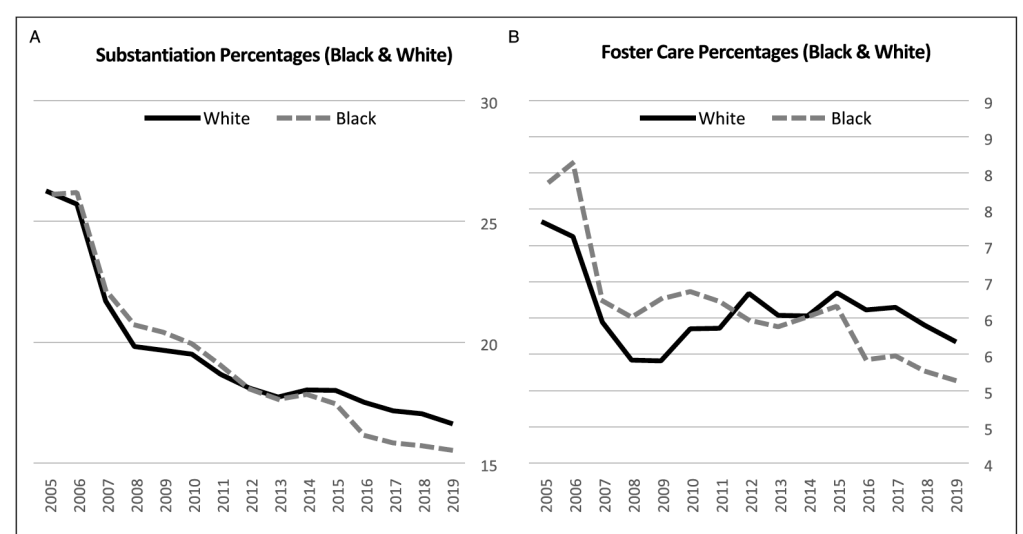
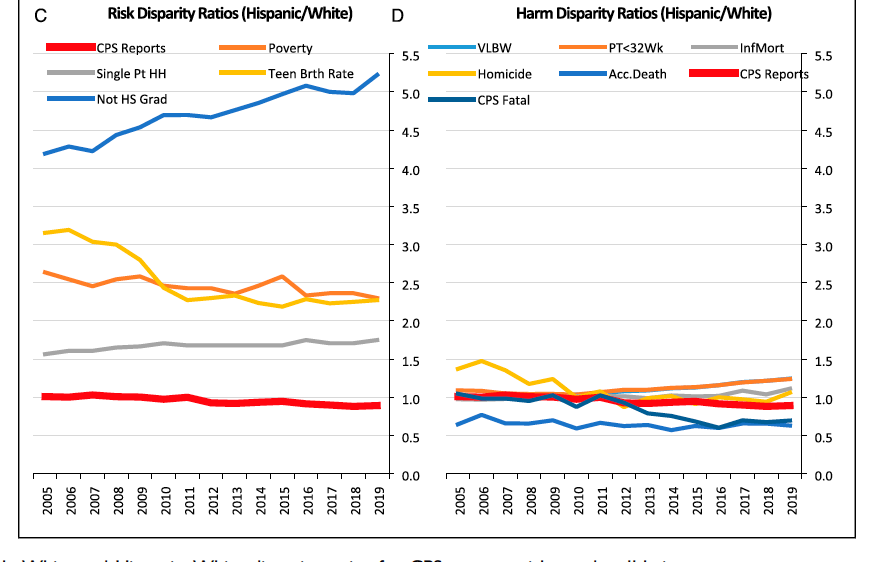

 Child Welfare Monitor